Telangana TSBIE TS Inter 2nd Year Economics Study Material 6th Lesson పారిశ్రామిక రంగం Textbook Questions and Answers.
TS Inter 2nd Year Economics Study Material 6th Lesson పారిశ్రామిక రంగం
వ్యాసరూప సమాధాన ప్రశ్నలు:
ప్రశ్న 1.
భారతదేశంలో పారిశ్రామిక వృద్ధి సరళిని వివరించండి.
జవాబు.
భారతదేశంలో పారిశ్రామిక వృద్ధి సరళి:
భారతదేశంలో పారిశ్రామిక అభివృద్ధి నమూనా బ్రిటిష్ వారు మనలను విడిచి పెట్టిన ఆర్థిక స్థితి ద్వారా నిర్ణయించబడింది. బ్రిటీష్ వారు భారతదేశాన్ని చౌకైన ముడి పదార్థాలకు మూలంగా మరియు తుది ఉత్పత్తులకు లాభదాయకమైన మార్కెట్గా ఉపయోగించారు. మౌలిక సదుపాయాలను అభివృద్ధి చేయడానికి వారు ఎటువంటి ప్రయత్నం చేయలేదు.
స్వాతంత్య్రం పొందిన తరువాత, భారతదేశం వెంటనే మూలధన వస్తువుల అవసరాన్ని గుర్తించింది మరియు మూలధన వస్తువుల పరిశ్రమల వేగవంతమైన వృద్ధిని ప్రోత్సహించాలని నిర్ణయించారు. మూడవ పంచవర్ష ప్రణాళిక ముగిసే వరకు, ఇనుము మరియు ఉక్కు రవాణా పరికరాలు మరియు వివిధ రకాల యంత్రాలతో సహా వివిధ రకాల మూలధన వస్తువులను భారతదేశం దిగుమతి చేసుకోవలసి వచ్చింది.
కానీ ఇప్పుడు పరిస్థితి సమూలంగా మారిపోయింది. సాంకేతికంగా అభివృద్ధి చెందిన దేశాలు అయిన పశ్చిమ ఐరోపా, అమెరికా మరియు రష్యాలకు కూడా ఈ మూలధన వస్తువులను ఎగుమతి చేసే స్థితిలో భారత్ ఇప్పుడు ఉంది.
భారతదేశంలో పారిశ్రామిక అభివృద్ధి ముఖ్య లక్షణం ప్రభుత్వ రంగ అసాధారణ వృద్ధి. ఈ రంగంలో రైల్వేలు, రహదారి రవాణా, పోస్ట్ మరియు టెలిగ్రాఫ్, విద్యుత్ మరియు నీటిపారుదల ప్రాజెక్టులు, రక్షణ ఉత్పత్తి సంస్థలతో సహా కేంద్ర మరియు రాష్ట్ర ప్రభుత్వాల విభాగ సంస్థలు మరియు అనేక ఇతర పారిశ్రామిక సంస్థలు ఉన్నాయి.
జాతీయ ఆదాయంలో పారిశ్రామిక రంగం వాటాలో ఐదవ వంతుకు ప్రభుత్వ రంగం ఇప్పుడు దోహదం చేస్తుంది. దాని ద్వారా సంపాదించిన మిగులు ప్రభుత్వ పన్నేతర ఆదాయానికి ముఖ్యమైన వనరుగా నిలుస్తుంది. ఇది పెద్ద సంఖ్యలో ప్రజలకు ఉద్యోగ అవకాశాలను కూడా అందిస్తుంది.
1951 లో భారత పంచవర్ష ప్రణాళికలను ప్రారంభించడంతో, భారతదేశ పారిశ్రామిక అభివృద్ధికి అనుకూలంగా దృక్పథం మారడం వలన ఆ రంగంలో గణనీయమైన మార్పులు వచ్చాయి. దీనితోపాటు వ్యవసాయరంగం కూడ అభివృద్ధి చెందవలసి ఉంది.
వ్యవసాయ పరిశ్రమలు, గ్రామ పరిశ్రమలు మరియు చిన్న తరహా సంస్థల అభివృద్ధి పారిశ్రామిక అభివృద్ధి ప్రక్రియలో ముఖ్యమైన భాగం. నిర్వహణ మూలధనం, ఉపాధి మరియు కర్మాగారాల సంఖ్య సంపూర్ణ గణాంకాలు రాష్ట్రాల వారీ విశ్లేషణ ప్రకారం, మహారాష్ట్ర అగ్రస్థానంలో కొనసాగుతోంది.
దాని తరవాత తమిళనాడు, గుజరాత్, ఆంధ్రప్రదేశ్ మరియు ఉత్తర ప్రదేశ్ కర్మాగారాలు మరియు కార్మికుల సంఖ్యకు సంబంధించి అభివృద్ధి నాటలో ఉన్నాయి. అయితే, నిర్వహణ మూలధనం పరంగా, గుజరాత్ రెండవ స్థానంలో ఉంది, తరువాత తమిళనాడు, ఉత్తరప్రదేశ్, కర్ణాటక, పూర్వపు ఆంధ్రప్రదేశ్ మరియు హర్యానా ఉన్నాయి.
పారిశ్రామిక అభివృద్ధి కోసం ప్రభుత్వం చేసిన సమిష్టి కృషి కారణంగా, భారతదేశం ప్రపంచంలోని 6వ పారిశ్రామిక దేశంగా అవతరించింది. వివిధ రకాల వస్తువుల ఉత్పత్తి మరియు ఉపాధి కల్పనలో విశేషమైన అభివృద్ధిని సాధించింది. కానీ కేంద్ర, రాష్ట్ర ప్రభుత్వాల ప్రణాళికా రహిత ప్రయత్నాలు దేశంలో అసమాన పారిశ్రామిక అభివృద్ధిని నియంత్రించలేదు.

ప్రశ్న 2.
భారతదేశంలో పారిశ్రామిక అభివృద్ధి స్వభావాన్ని తెలపండి.
జవాబు.
1. స్వాతంత్ర్యానికి పూర్వం బ్రిటీష్ ప్రభుత్వం భారతదేశంలో పరిశ్రమలను అభివృద్ధి చేయాలని అనుకోలేదనేది అందరికీ తెలిసిన సత్యం. దేశ స్వాతంత్య్రం అనంతరం ఆర్ధిక వ్యవస్థ అభివృద్ధికి అవసరమైన అవస్థాపనా సౌకర్యాలను కలుగజేసే పారిశ్రామికాభివృద్ధిని, ప్రజలు వారి జీవితాలను ఉన్నత స్థాయికి తీసుకువెళ్ళగలదని ప్రభుత్వంపై స్వాతంత్య్రానంతరం అనేక ఆశలు పెట్టుకున్నారు.
1948 పారిశ్రామిక విధానం, పారిశ్రామిక చట్టం, 1957 ద్వారా పరిశ్రమల అభివృద్ధికి సంబంధించి ప్రభుత్వ ధోరణిని తెలియజేశాయి. కానీ, పరిశ్రమల అభివృద్ధికి కావలసిన అనుకూల వాతావరణం 1951లో ప్రణాళికలను అనుసరించిన తరువాత మాత్రమే సృష్టించబడింది.
2. భారతదేశానికి స్వాతంత్య్రం అనంతరం ప్రైవేటు రంగం, ప్రభుత్వ రంగం, ఉమ్మడి రంగాలలో అధిక సంఖ్యలో పరిశ్రమలను స్థాపించడమైంది. భారతదేశానికి స్వాతంత్ర్యం వచ్చిన దశాబ్దంన్నర కాలంలో భిలాయ్, బొకారో, రూర్కెలా, రాంచి, జమ్హడ్పూర్, రేనుకూట్ మొదలైనవి ప్రధాన పారిశ్రామిక కేంద్రాలుగా కొనసాగాయి.
3. ఏమైనప్పటికీ, తరవాత అన్ని రాష్ట్రాల్లో చిన్నతరహా, మధ్య తరహా పరిశ్రమలలో పారిశ్రామికీకరణ జరిగింది. ఎలక్ట్రానిక్స్, రవాణా, సమాచార రంగాలలో నేడు పారిశ్రామికీకరణలో ప్రధాన రంగాలు. మొత్తం శ్రామిక జనాభాలో కేవలం 10 శాతం మంది మాత్రమే సంఘటిత పారిశ్రామిక రంగంలో ఉపాధి పొందుతున్నారు. స్వాతంత్ర్యం వచ్చినప్పటి నుంచి ప్రైవేట్, ప్రభుత్వ రంగాలు పక్కపక్కన అభివృద్ధి చెందాయి.
4. ప్రభుత్వం నిర్వహించే సంస్థలు, ప్రభుత్వ రంగంచే నడపబడే సంస్థలు భారీ నష్టాలతో నడుస్తున్నాయి. ఇవి భారత ప్రభుత్వ సామర్థ్యాలు, భారత ప్రభుత్వం తన సొంత సంస్థలను నిర్వహించే పద్ధతులు ప్రశ్నార్ధకంగా మారాయి. అప్పుడు ప్రైవేట్, ప్రభుత్వ రంగ సంస్థల భాగస్వామ్యం మరియు వాటి విభజనపై చర్చ ప్రారంభమైంది. ఆ చర్చ ప్రైవేటు రంగానికి అనుకూలంగా ఉంది.
చాలా ప్రభుత్వ సంస్థలు ప్రైవేటు వ్యవస్థాపకులకు, పారిశ్రామికవేత్తలకు స్వాధీనం చేయబడ్డాయి. ఎంపిక చేసిన మార్గాలలోని ఆఫీసులు, రోడ్లు, రైల్వేలు, వాయుమార్గాలను కలుపుకుని రవాణా రంగంలో ప్రైవేటీకరణ ప్రవేశించింది.
5. భారతదేశంలో ప్రణాళికలు మొదలైన మొదటి 15 సంవత్సరాలలో పెద్ద తరహా పరిశ్రమలు ప్రారంభమయ్యాయి. పారిశ్రామిక వృద్ధి రేటు 2 నుంచి 12 శాతం మధ్య తిరుగుతూ ఉంది. ఏమైనప్పటికీ 1967 తరువాత పారిశ్రామిక ప్రగతి స్థిరంగా ఉండటాన్ని మనం గమనించవచ్చు.
ఈ పారిశ్రామికాభివృద్ధికి సహజ వనరులు, ఆర్ధిక మిగులు, అధిక శ్రామిక శక్తి, ఎక్కువ స్థాయిలో నగర కేంద్రీకరణ, చిన్న సామాజిక సముదాయాల మధ్య మిగులు కేంద్రీకరణ, శిక్షణ పొందిన శ్రామికులు అందుబాటులో ఉండటం, స్థిరమైన రాజకీయ వ్యవస్థ, శక్తివంతమైన వనరులపై ప్రభుత్వ ఆర్థిక నియంత్రణ మొదలైన కారకాలు పనిచేశాయి.
ప్రస్తుతం వృద్ధిరేటు దాదాపు 8 శాతంగా ఉంది. ఆఫ్రికా, దక్షిణ అమెరికా దేశాలతో పోలిస్తే భారీగా అభివృద్ధి చెందుతున్న దేశాలలో నేడు భారతదేశం ఒకటిగా నిలిచింది.
6. ఏమైనప్పటికీ, విలాస వస్తువుల ఉత్పత్తి, ఏకస్వామ్యాల నియంత్రణ, వ్యవసాయాభివృద్ధి రేటు తగ్గడం మొదలైనవి పారిశ్రామికాభివృద్ధికి ఆటంకాలుగా ఉన్నాయి.
7. పారిశ్రామికంగా అభివృద్ధి చెందిన దేశాలైన యుఎస్ఎ, యుకె, రష్యా, ఫ్రాన్స్, జర్మనీ, ఇటలీ, జపాన్లతో కలిసి పని చేయడం భారత పారిశ్రామిక ప్రగతికి స్పష్టమైన తార్కాణం. వివిధ ప్రణాళికల సమయంలో చిన్న తరహా పరిశ్రమలు అభివృద్ధి చెందాయి. ప్రస్తుతం భారతదేశం ఒక ప్రపంచ మార్కెట్. భారతదేశం, చైనా వేగంగా అభివృద్ధి చెందుతున్న దేశాలుగా పరిగణించబడుతున్నాయి.
8. 20వ శతాబ్దంలో సైన్స్ అండ్ టెక్నాలజీని ప్రశ్నించలేని స్థాయిలో ఉన్నప్పుడు ఒక దేశ వాస్తవ అభివృద్ధిని కొలవటానికి, ఆదేశ పారిశ్రామికాభివృద్ధిని ఒక కొలమానంగా ఉపయోగించేవారు. ఒక వేళ ఒక దేశం సాంకేతికంగా వెనుకబడి ఉంటే, ఆ దేశం మిగిలిన ఏ విషయాలలోనైనా ప్రగతిని సాధించినా అది వెనుకబడిన దేశంగానే ఉండేది.
9. ఒక ఆర్ధిక వ్యవస్థ అభివృద్ధిని పారిశ్రామిక వృద్ధి రేటులో వృద్ధి, జాతీయాదాయంలో పరిశ్రమల వాటా, ఉద్యోగితలో పరిశ్రమల వాటా వంటి వివిధ పద్ధతులద్వారా కొలవవచ్చు. ఈ పద్ధతిని ఉపయోగించడం ఆధారంగా ప్రణాళికా కాలాన్ని రెండు భిన్నదశలుగా విభజిస్తుంది. వీటిలో 1965-66 వరకు మొదటి దశ. అక్కడ నుంచి ప్రారంభమైంది రెండవ దశ.
7వ పంచవర్ష ప్రణాళికా కాలంలో వృద్ధి రేటు 8 శాతం కాగా, కొన్ని పరిశ్రమలలో అంతకంటే ఎక్కువగా వృద్ధిరేటు నమోదయ్యింది. కానీ, భవిష్యత్తులో సాధించగలిగే వాటిని కాలం మాత్రమే నిర్ణయించగలదు. ఎందుకంటే దేశవ్యాప్తంగా నూతన పరిశ్రమల అభివృద్ధిలో కొన్ని సమస్యలు ఉన్నాయి.
ప్రశ్న 3.
భారతదేశంలో పంచవర్ష ప్రణాళికల సందర్భంగా పారిశ్రామిక అభివృద్ధిపై వ్యాఖ్యానించండి.
జవాబు.
భారతదేశంలో పంచవర్ష ప్రణాళికలలో పారిశ్రామిక అభివృద్ధి :
భారతదేశంలో పారిశ్రామిక రంగం నిజమైన వృద్ధి మరియు అభివృద్ధి ఐదేళ్ల ప్రణాళికల కాలంలో ప్రారంభమైంది.
మొదటి పంచవర్ష ప్రణాళిక (1951-56) :
మొదటి పంచవర్ష ప్రణాళిక ప్రధాన లక్ష్యం వ్యవసాయ అభివృద్ధిపై ఉంది. పత్తి, ఉన్ని మరియు జనపనార వస్త్రాలు, సిమెంట్, కాగితం, న్యూస్-ప్రింట్, పవర్ లూమ్స్, మందులు, పెయింట్స్, చక్కెర, వనస్పతి, రసాయన మరియు ఇంజనీరింగ్ వస్తువులు మరియు రవాణా పరికరాలు కొంత పురోగతిని చూపాయి.
రెండవ పంచవర్ష ప్రణాళిక (1956-61) :
రెండవ పంచవర్ష ప్రణాళికలో భారీ పరిశ్రమల స్థాపనకు అధిక ప్రాధాన్యత ఇవ్వబడింది. ఇనుము – ఉక్కు హెవీ ఇంజనీరింగ్, లిగ్నైట్ ప్రాజెక్టులు మరియు ఎరువుల పరిశ్రమలపై ప్రధాన దృష్టి సారించడం జరిగింది. మూడు కొత్త ఇనుము మరియు ఉక్కు కర్మాగారాలు ఖిలాయి, దుర్గాపూర్, రుర్కెలా లో ఈ ప్రణాళిక కాలంలోనే స్థాపించబడ్డాయి.
మూడవ పంచవర్ష ప్రణాళిక (1961-66) :
రాంచీ యంత్ర పరికరాలు మరియు మరో మూడు హెచ్.ఎమ్.టి. యూనిట్లు ఏర్పాటు చేయబడ్డాయి. యంత్ర నిర్మాణం, లోకోమోటివ్ మరియు రైల్వే కోచ్ తయారీ, షిప్ బిల్డింగ్, ఎయిర్ క్రాఫ్ట్ తయారీ, రసాయనాలు, మందులు మరియు ఎరువుల పరిశ్రమలు కూడా స్థిరమైన పురోగతి సాధించాయి.
వార్షిక ప్రణాళికలు (1966-69) :
1966 మరియు 1969 మధ్య కాలం వార్షిక ప్రణాళికల కాలం, వార్షిక ప్రణాళికల కాలంలో పారిశ్రామిక ప్రగతి పెద్దగా పురోగతి సాధించలేకపోయింది.
నాల్గవ పంచవర్ష ప్రణాళిక (1969-74) :
నాల్గవ పంచవర్ష ప్రణాళికలో వ్యవసాయ ఆధారిత పరిశ్రమలైన చక్కెర, పత్తి, జనపనార, వనస్పతి, లోహ ఆధారిత మరియు రసాయన పరిశ్రమలకు ఎక్కువ ప్రాధాన్యత ఇవ్వబడింది. ఈ ప్రణాళిక సమయంలో మిశ్రమాలు, అల్యూమినియం, ఆటోమొబైల్స్, టైర్లు, ఎలక్ట్రానిక్ వస్తువులు, యంత్ర పరికరాలు, ట్రాక్టర్లు మరియు ప్రత్యేక ఉక్కు పరిశ్రమలలో చాలా పురోగతి సాధించారు.
ఐదవ పంచవర్ష ప్రణాళిక (1974-79) :
ఈ ప్రణాళిక ప్రధాన దృష్టి ఉక్కు కర్మాగారాలు, ఎగుమతి-ఆధారిత వస్తువులు మరియు విరివిగా వినియోగించే వస్తువులు వేగంగా వృద్ధి చెందడం. అదనపు సామర్థ్యాన్ని’ సృష్టించడానికి సేలం, విజయనగర్, విశాఖపట్నం వద్ద ఉక్కు కర్మాగారాలను ప్రతిపాదించారు. స్టీల్ అథారిటీ ఆఫ్ ఇండియా లిమిటెడ్ (సెయిల్) ను ఏర్పాటు చేశారు.
ఆరవ పంచవర్ష ప్రణాళిక (1980-85) :
ఈ ప్రణాళికలో అల్యూమినియం, ఆటోమొబైల్స్, ఎలక్ట్రిక్ పరికరాలు, థర్మోస్టాట్లు వంటి పరిశ్రమలకు ప్రాధాన్యత ఇవ్వబడింది. వాణిజ్య వాహనాలు, మందులు, డి.వి. రిసీవర్లు, ఆటోమొబైల్స్, సిమెంట్, బొగ్గు, జనపనార పరిశ్రమ, ఫెర్రస్ కాని లోహాలు, వస్త్రాలు, రైల్వే వ్యాగన్లు, చక్కెర పరిశ్రమ మొదలైన పరిశ్రమలలో ఉత్పత్తి లక్ష్యాలను సాధించారు.
ఏడవ పంచవర్ష ప్రణాళిక (1985-90) :
ఏడవ పంచవర్ష ప్రణాళిక ప్రధాన లక్ష్యం ‘హైటెక్’ మరియు ఎలక్ట్రానిక్ పరిశ్రమల స్థాపన. ఈ ప్రణాళిక ప్రాధాన్యత వివిధ ప్రాంతాలకు పరిశ్రమల వ్యాప్తి, స్వయం ఉపాధి, స్థానిక వనరుల దోపిడీ మరియు సరైన శిక్షణ మొదలైనవి.
ఎనిమిదవ పంచవర్ష ప్రణాళిక (1992-97) :
1990 మరియు 1992 మధ్య కాలం వార్షిక ప్రణాళికల కాలం. 1991 లో భారత ప్రభుత్వ పారిశ్రామిక విధానంలో పెద్ద మార్పు వచ్చింది. విదేశీ బహుళ జాతుల పెట్టుబడుల కోసం సరళీకరణ విధానం అవలంబించబడింది. ప్రాంతీయ అసమానతలను తొలగించడం మరియు చిన్న మరియు అతి చిన్న రంగాలలో ఉపాధి అవకాశాలను ప్రోత్సహించడం కోసం ప్రాధాన్యత ఇవ్వబడింది.
తొమ్మిదవ పంచవర్ష ప్రణాళిక (1997-2002) :
సిమెంట్, బొగ్గు, ముడి చమురు, వినియోగ వస్తువులు, విద్యుత్, మౌలిక సదుపాయాలు, శుద్ధి కర్మాగారం మరియు నాణ్యమైన ఉక్కు ఉత్పత్తులకు ఈ ప్రణాళికలో ప్రాధాన్యత ఇచ్చారు.
పదవ పంచవర్ష ప్రణాళిక (2002-07) : ఏదన పంచవర్ష ప్రణాళికలో
- ఆధునీకరణ, సాంకేతిక పరిజ్ఞానం, లావాదేవీలు ఖర్చులను తగ్గించడం, ఎగుమతులను పెంచడం
- ఎగుమతులను పెంచడానికి, ప్రపంచ పోటీతత్వాన్ని పెంచడానికి,
- సమతులు ప్రాంతీయ అభివృద్ధిని సాధించడం అనేవి ప్రధాన లక్ష్యాలు.
పదకొండవ పంచవర్ష ప్రణాళిక (2007 – 12) :
పడకొండవ ప్రణాళిక వేగంగా పారిశ్రామిక అభివృద్ధి ఉండాలని, అది పేదరికాన్ని వేగంగా తగ్గిస్తుందని, ఉపాధిని అధికంగా సృష్టిస్తుందని, సమాజంలోని అన్ని వర్గాలకు ఆరోగ్యం మరియు విద్య వంటి అవసరమైన సేవలను అందించే పారిశ్రామిక అభివృద్ధిని త్వరితగతిన సాధించాలని గుర్తించింది. ఈ ప్రణాళిక కాలంలో, పారిశ్రామిక రంగంలో ఊహించిన వృద్ధి రేటు 10-11 శాతం, అయితే 8 శాతం వృద్ధిని సాధించింది.
పన్నెండవ పంచవర్ష ప్రణాళిక (2012 – 17) :
ఈ ప్రణాళిక భారతదేశ ఉత్పాదక రంగాన్ని అభివృద్ధి చేయడం ద్వారా ఉపాధిని సృష్టిస్తుందని మరియు దేశాన్ని ఉన్నత శిఖరాలకు తీసుకెళ్ళాలని భావించింది. పదకొండవ పంచవర్ష ప్రణాళికా కాలంలో పరిశ్రమ మరియు తయారీ సంబంధిత కార్యకలాపాలు 8 శాతం వృద్ధిని సాధించగా, ఈ ప్రణాళిక కాలంలో 11 శాతం వృద్ధి చెందాలని లక్ష్యంగా పెట్టుకుంది.
నీతి ఆయోగ్ (నేషనల్ ఇన్స్టిట్యూషన్ ఫర్ ట్రాన్స్ఫార్మింగ్ ఇండియా) ఎస్ఐటిఐ :
దేశ ఆర్థికాభివృద్ధికి పంచవర్ష ప్రణాళికలను భారత ప్రణాళికా సంఘం పర్యవేక్షించింది. అయితే, 2014లో 65 ఏళ్ల ప్లానింగ్ కమిషన్ రద్దు చేయబడింది. దీని స్థానంలో ఎస్ఐటిఐ (నేషనల్ ఇన్సిట్యూషన్ ఫర్ ట్రాన్స్ఫార్మింగ్ ఇండియా – నీతి ఆయోగ్) అనే సంస్థను స్థాపించడం జరిగింది.
ప్రశ్న 4.
భారతదేశంలో పారిశ్రామిక వెనుకబాటుతనానికి కారణాలు ఏమిటి ?
జవాబు.
పారిశ్రామిక వెనుకబాటుతనానికి కింద పేర్కొన్నవి ప్రధాన కారణాలుగా చెప్పవచ్చు :
1. బ్రిటీష్ పాలనా విధానం :
బ్రిటీష్ పరిపాలకులు ఈ ప్రాంతంలో సహజ వనరులను వారి సొంత ఆర్ధికాభివృద్ధికి ఉపయోగించుకున్నారు. ఈ విధానం చెడు ప్రభావాన్ని చూపించింది. ఇది మనకు అధిక నష్టాలను తెచ్చిపెట్టింది.
2. ఖనిజ వనరులు లేకపోవడం:
పారిశ్రామికా వృద్ధికి అవసరమైన చమురు, బొగ్గు వంటి ఖనిజ వనరులు తగినంతగా లేవు. అందువల్ల భారతదేశం, పాకిస్తాన్లలో పారిశ్రామికాభివృద్ధి రేటు చాలా తక్కువగా ఉంది.
3. మూలధనం లేకపోవడం :
భారతదేశంలో తక్కువ తలసరి ఆదాయం కారణంగా పోదుపు రేటు తక్కువగా ఉంది. పొదుపు రేటు తక్కువ కావటం వల్ల పెట్టుబడి రేటు చాలా తక్కువగా ఉంది. ఇది పారిశ్రామికీకరణకు ప్రధాన ఆటంకంగా పరిణమించింది.
4. పరపతి సౌకర్యాలు లేకపోవటం :
పరిశ్రమలకు అవసరమైన పరపతి సౌకర్యాలను కల్పించే విత్త సంస్థలు తగినంతగాలేవు.
5. విదేశీ మారక ద్రవ్యం లేకపోవటం:
పారిశ్రామిక రంగానికి అవసరమైన ఆధునిక సాంకేతిక పరిజ్ఞానాన్ని దిగుమతి చేసుకోవటానికి అవసరమైన విదేశీ మారక ద్రవ్యం కొరతగా ఉంది. మనం విదేశీ రుణాలు తీర్చుకోవాలి అలాగే సాంకేతిక పరిజ్ఞానాన్ని దిగుమతి చేసుకోవాలి అనేవి విదేశీ మారక ద్రవ్యంపై ఆధారపడి ఉంటుంది. అందుకే పారిశ్రామిక అభివృద్ధికి విదేశీ మారక ద్రవ్య లోటు ప్రధాన సమస్యగా పరిగణించవచ్చు.
6. సాంకేతిక నిపుణులు లేకపోవటం :
దురదృష్టవశాత్తు భారతదేశంలో నైపుణ్యం గల వ్యక్తులు లేకపోవటం పరిశ్రమలకు పెద్ద లోపంగా ఉంది. మన దేశంలోని నైపుణ్యం గల వ్యక్తులు విదేశాలలో అధిక ప్రతిఫలాలకు పని చేస్తున్నారు. కాబట్టి మనం విదేశీ నిపుణులకు ఎక్కువ మొత్తం చెల్లించవలసి వస్తున్నది.
7. రవాణా సౌకర్యాలు లేకపోవటం :
మన దేశంలో రవాణా వ్యవస్థ వెనుకబడి ఉంది. అందుబాటులో ఉన్న సదుపాయాలు ఖరీదైనవి మరియు తగినంతగా లేవు. రోడ్లు, రైల్వే రవాణా పరిస్థితులు దయనీయంగా ఉన్నాయి.
8. పారిశ్రామిక పరిశోధన లేకపోవటం :
దేశంలో పారిశ్రామిక పరిశోధన లేకపోవటం వల్ల ఉత్పత్తి పద్ధతులలో నవకల్పనలు లేవు. ఉత్పత్తి వ్యయాలు పెరిగి ఉత్పత్తికి డిమాండు తగ్గుతోంది.
9. ఇంధనం కొరత :
మనదేశంలో విద్యుచ్ఛక్తిని ఉత్పత్తి చేయటానికి అవసరమైన నీరు, బొగ్గు, అణుశక్తి మొదలైన వనరులు పరిమితంగా ఉండటం వల్ల పరిశ్రమలకు అవసరమైన విద్యుచ్ఛక్తి కొరతగా ఉంది.
10. పన్నులలో పెరుగుదల :
పారిశ్రామిక ఉత్పత్తి మీద భారీగా పన్నులు విధించడం, ఎక్కువగా దిగుమతి మరియు ఎగుమతి సుంకాలను విధించడం వల్ల పారిశ్రామిక ఉత్పత్తి నిరుత్సాహపడింది.
11. పరిమిత మార్కెట్ :
మన వస్తువులకు దేశీయ మార్కెట్ పరిమితంగా ఉంది. మరో వైపు వస్తువుల నాణ్యత చాలా తక్కువగా ఉండటం వల్ల అవి విదేశీ మార్కెట్లో పోటీ చేయలేకపోతున్నాయి. కాబట్టి మన వస్తువులకు దేశీయ, అంతర్జాతీయ మార్కెట్లు పరిమితంగా ఉన్నాయి.
12. శ్రామికుల ధోరణి (Attitute of Labour) :
శ్రామికుల నాణ్యత తక్కువగా ఉంది మరియు పని చేసే ధోరణి లేదు. రాజకీయ పార్టీలు వాటి ప్రయోజనాలకోసం శ్రామికులను వాడుకుంటున్నాయి. ఈ కారణాలు పారిశ్రామిక ఉత్పత్తిని నిరుత్సాహపరుస్తున్నాయి.
13. లోప భూయిష్టమైన ప్రణాళిక :
పారిశ్రామిక రంగంలో ప్రభావంతమైన ప్రణాళిక లేదు. పారిశ్రామిక రంగంలోని వివిధ విభాగాల మధ్య సమన్వయం లేదు. ఫలితంగా ఉత్పత్తి వ్యయం పెరుగుతుంది.
ప్రశ్న 5.
పారిశ్రామిక విధాన తీర్మానాలు 1948 మరియు 1956 యొక్క లక్షణాలను చర్చించండి.
జవాబు.
ఆగస్ట్ 15, 1947 నాడు దేశం స్వాతంత్ర్యాన్ని పొందిన తరువాత పారిశ్రామికాభివృద్ధి కోసం ప్రాధాన్యతా అంశాలను నిర్ణయించడానికి, ప్రస్తుతం ఉన్న పరిశ్రమలను జాతీయీకరణ చేయడంపై ప్రైవేట్ వ్యవస్థాపకుల మనస్సులలో ఉన్న సందేహాలను నివృత్తి చేయడానికి, ఒక నూతన విధానాన్ని ప్రకటించవలసిన అవసరం ఏర్పడింది.
మన రాజ్యాంగాన్ని అనుసరించక పూర్వం, న్యాయ వ్యవస్థ ఏర్పడక పూర్వం పారిశ్రామిక విధాన తీర్మానం, 1948ని జానీ చేశారు. పారిశ్రామికాభివృద్ధిలో ప్రభుత్వ, ప్రైవేట్ రంగాల రెండింటినీ భాగస్వాములను చేస్తూ భారత ప్రభుత్వం ఏప్రిల్ 6, 1948 వ సంవత్సరంలో పారిశ్రామిక విధాన తీర్మానాన్ని ప్రకటించింది. దాని ప్రకారం పరిశ్రమలను నాలుగు విభాగాలుగా వర్గీకరించారు.
ఎ) కేవలం ప్రభుత్వ ఏకస్వామ్యాలు :
వీటిలోకి ఆయుధాలు మరియు ఆయుధ సామాగ్రి, అణుశక్తి ఉత్పత్తి మరియు నియంత్రణ, రోడ్డు రవాణా నిర్వాహణ మొదలైనవి వస్తాయి. ఈ పరిశ్రమలు కేవలం కేంద్ర ప్రభుత్వ ఏకస్వామ్యంలోకి వస్తాయి.
బి) నూతన సంస్థలకు ప్రభుత్వ ఏకస్వామ్యాలు :
బొగ్గు, ఇనుము, ఉక్కు, విమానాల తయారీ, నౌకా నిర్మాణం, టెలిఫోన్, టెలిగ్రాఫ్, వైర్లెస్లు తయారు చేయడం, ఖనిజ నూనెలు ఈ విభాగంలోకి వస్తాయి ఈ విభాగంలో కొత్త సంస్థలను కేవలం రాష్ట్ర ప్రభుత్వంలోకి మాత్రమే తీసుకోవాలి.
సి) ప్రభుత్వ క్రమబద్ధీకరణ :
యంత్ర పరికరాలు, రసాయనాలు, ఎరువులు, నాన్-ఫెర్రస్ లోహాలు, రబ్బరు తయారీ, సిమెంటు కాగితం, సమాచార ముద్రణ, ఆటోమొబైల్స్, ఎలక్ట్రానిక్ ఇంజనీరింగ్ మొదలైన పరిశ్రమలు ఈ విభాగంలోకి వస్తాయి. వీటికి కేంద్ర ప్రభుత్వం ప్రణాళికలను రూపొందించడం, వాటికి ప్రణాళికను తయారు చేయడం, నియంత్రణ చేయడం తప్పనిసరి.
డి) క్రమబద్దీకరించని ప్రైవేట్ సంస్థ : ఈ విభాగంలో పరిశ్రమలు ప్రైవేట్ రంగానికి వ్యక్తులు, సహకార సంఘాలకు విడిచిపెట్టారు.
1. పరిశ్రమల వర్గీకరణ : ఈ తీర్మానంలో మూడు జాబితాలు ఉన్నాయి.
- జాబితా ఎ లో 17 పరిశ్రమలు ఉన్నాయి. ఈ పరిశ్రమలలోని అన్ని నూతన యూనిట్లను ప్రభుత్వమే స్థాపించాలి.
- జాబితా బి లో 12 పరిశ్రమలు ఉన్నాయి. ఈ పరిశ్రమలన్నీ భవిష్యత్తులో ప్రభుత్వ యాజమాన్యంలో ఉంటాయి. ఈ రంగంలో ప్రైవేటు సంస్థలు వాటి కృషిని ప్రభుత్వ కృషికి అదనంగా జోడించవచ్చు.
- జాబితా సి లో మిగిలిన పరిశ్రమలన్నీ వస్తాయి. ఈ పరిశ్రమల అభివృద్ధిని ప్రైవేటు రంగంలోని వ్యవస్థాపకుల ఉద్యమిత్వానికి, చొరవకు వదిలేశారు.
2. ప్రైవేట్ రంగానికి సహాయం :
పారిశ్రామిక విధాన తీర్మానం 1956 ప్రభుత్వ రంగానికి ప్రధాన పాత్ర ఇచ్చినప్పటికీ, ప్రైవేటు రంగానికి కూడా సముచిత స్థానం కల్పించింది. ప్రైవేటు రంగానికి సహాయం చేయడం కోసం విద్యుచ్ఛక్తి, రవాణా మొదలైన అవస్థాపనా సౌకర్యాలను ప్రభుత్వం బలోపేతం చేసింది.
3. కుటీర మరియు చిన్న తరహా పరిశ్రమల పాత్ర విస్తరణ :
పారిశ్రామికాభివృద్ధిలో ప్రాంతీయ అసమానతలను తగ్గించడానికి, స్థానికంగా లభ్యమయ్యే శ్రామిక శక్తిని వనరులను ఉపయోగంలోకి తేవడానికి, ఎక్కువగా ఉద్యోగ అవకాశాలను సృష్టించడానికి కుటీర, చిన్న తరహా పరిశ్రమల పాత్ర మీద 1956 పారిశ్రామిక విధాన తీర్మానం ప్రాధాన్యత ఇచ్చింది.
4. వివిధ ప్రాంతాల మధ్య సంతులిత పారిశ్రామికాభివృద్ధి :
పారిశ్రామికాభివృద్ధిలో ప్రాంతీయ అసమానతలు తగ్గించడానికి పారిశ్రామిక విధాన తీర్మానం, 1956 దోహదపడింది. పారిశ్రామికంగా వెనుకబడిన ప్రాంతాలకు అభివృద్ధి అవకాశాలను అందుబాటులోకి తీసుకురావచ్చని ఈ విధానం తెలియజేసింది.
వెనుకబడిన ప్రాంతాలలో ఎక్కువగా ప్రభుత్వ రంగ పరిశ్రమలను స్థాపించడంతో పాటు, పన్ను రాయితీలు, సబ్సిడీలు ఇవ్వడం వంటి ప్రోత్సాహకాలను వెనుకబడిన ప్రాంతాలలో పరిశ్రమలను స్థాపించే వ్యవస్థాపకులకు ప్రభుత్వం ప్రకటించింది.
5. విదేశీ మూలధనం :
దేశ ఆర్ధికాభివృద్ధిలో విదేశీ మూలధన పాత్రను పారిశ్రామిక విధాన తీర్మానం 1956 గుర్తించింది. విదేశీ మూలధనం దేశంలోకి రావటాన్ని దేశం స్వాగతించింది. కాని సంస్థల్లో ప్రధాన వాటా, నిర్వహణ, యాజమాన్యం, నియంత్రణ మన దేశ పౌరుల చేతులలోనే ఉన్నప్పుడు మాత్రమే విదేశీ మూలధనాన్ని దేశంలోకి అనుమతించాలని ఈ విధానం స్పష్టంగా తెలియజేసింది.
6. నిర్వహణ, సాంకేతిక అభివృద్ధి :
సంస్థలను స్థాపించి, వాటిని బలోపేతం చేయాలి. ప్రభుత్వ సేవలలో కూడా సరైన నిర్వహణ నిపుణులను, సాంకేతిక నిపుణులను నియమించాలని ఈ విధానం పేర్కొంది.
7. శ్రామికులకు ప్రోత్సాహకాలు :
అభివృద్ధి అనే లక్ష్యంలో భాగస్వాములుగా శ్రామికులు ప్రధానపాత్ర పోషిస్తారని పారిశ్రామిక విధాన తీర్మానం, 1956 గుర్తించింది. కాబట్టి ఈ విధానం శ్రామికుల పని, సేవల పరిస్థితులను అభివృద్ధి చేయటానికి తగినన్ని ప్రోత్సాహకాలను కల్పించింది.
ప్రశ్న 6.
పారిశ్రామిక విధాన తీర్మానం, 1991ను విమర్శనాత్మకంగా పరిశీలించండి.
జవాబు.
జూన్ 1991 లో శ్రీ.పి.వి నరసింహారావు ప్రభుత్వం అధికారంలోకి వచ్చింది. ఆర్ధిక వ్యవస్థలో సరళీకరణను, సంస్కరణలను అది ప్రవేశపెట్టింది. ఈ నూతన వాతావరణంలో ప్రభుత్వం ఒక నూతన పారిశ్రామిక విధానాన్ని జూలై 24, 1991న ప్రకటించింది. ఈ నూతన విధానం పారిశ్రామిక ఆర్ధిక వ్యవస్థను బాగా సులభతరం చేసింది.
ఇప్పటి వరకు సంపాదించుకున్న వాటిని నిలబెట్టుకోవడం, వ్యవస్థలో ఉండే లోపాలను సరిదిద్దటం ఉత్పాదకతలో స్థిరమైన వృద్ధిని కొనసాగించడం, ఉద్యోగ అవకాశాలను కల్పించడం, విదేశీ సంస్థల పోటీని తట్టుకోవడం అనేవి ఈ నూతన విధానం యొక్క ప్రధాన లక్ష్యాలు.
అంశాలు:
1. పారిశ్రామిక లైసెన్సింగ్ పద్ధతిని తొలగించడం :
ఆర్ధిక వ్యవస్థను సరళీకరణ వైపు నడిపించడానికి నూతన పారిశ్రామిక విధానం రక్షణ, వ్యూహాత్మక, సాంఘిక కారణాలు గల కొన్ని పరిశ్రమలను తప్ప అన్ని పారిశ్రామిక లైసెన్స్లను తొలగించింది. 1999 ఫిబ్రవరిలో చేసిన చట్ట సవరణ ప్రకారం ప్రస్తుతం ఆరు పరిశ్రమలకు మాత్రమే లైసెన్స్లు తప్పనిసరిగా ఉండాలి.
అవి : ఆల్కహాల్, రెట్లు, హానికరమైన రసాయనాలు, మత్తుపదార్థాలు, ఫార్మాస్యూటికల్స్, ఎలక్ట్రానిక్స్, ఏరోస్పేస్, రక్షణకు అవసరమైన పరికరాలు, పారిశ్రామిక ప్రేలుడు పదార్థాలు మొదలైనవి పారిశ్రామిక విధానం సూచించింది.
ఈ విధంగా నూతన విధానం మంచి పారిశ్రామిక వాతావరణంలో అందుబాటులో ఉన్న వ్యవస్థ ఉద్యమిత్వ నైపుణ్యాలను మంచిగా ఉపయోగించుకుంటూ, మార్కెట్లో ఎక్కువ స్నేహపూర్వకంగా ఉండాలని సూచించింది. పరిశ్రమలు వేగవంతంగా వృద్ధి చెందాలని నూతన పారిశ్రామిక విధానం 1991 భావించింది.
1991 నూతన పారిశ్రామిక విధానంపై విమర్శనాత్మక విశ్లేషణ :
భారతదేశ ఆర్ధిక వ్యవస్థపైన, సమాజంపైన 1991 విధానం అధిక ప్రభావం కలిగి ఉంది, దీనిలో అనుకూల ప్రతికూల ప్రభావాలు ఉన్నాయి, వాటిని కింది విధంగా సంక్షిప్తీకరించవచ్చు.
అనుకూల ప్రభావం :
1. ప్రస్తుతం సృజనాత్మకత మరియు నవకల్పనలు, తప్పనిసరి అయ్యాయి. పరిశోధన మరియు అభివృద్ధిపై నిరంతరంగా శ్రద్ధ వహించడంతో పరిజ్ఞానం పెరుగుతుంది, వస్తువుల రూపకల్పనలో సృజనాత్మకతను తీసుకురావడానికి పరిశోధన అభివృద్ధిపై పరిశ్రమలు, తమ దృష్టిని కేంద్రీకరించడం.
2. 1991 విధానం తరువాత నాణ్యత అనే అంశానికి చాలా గుర్తింపు ఉంది. పస్తువుల తయారీ నుంచి అవి వినియోగదారుడికి చేరే వరకు అన్ని స్థాయిల్లోను మొత్తం నాణ్యతను కొనసాగించడంపై దృష్టి కేంద్రీకరించడం.
2. ప్రభుత్వ రంగ పాత్రను నిర్వీర్యం చేయడం :
1956 నుంచి ప్రభుత్వ రంగంలో 17 పరిశ్రమలు ఉండేవి. ఈ సంఖ్య 3కు తగ్గించబడింది. అవి. 1. ఆయుధాలు, ఆయుధసామాగ్రి, రక్షణకు సంబంధించిన పరికరాలు. 2. అణుశక్తి 3. రైలు రవాణా మొదలైనవి. ప్రభుత్వ రంగ సంస్థలకు సంబంధించిన ప్రభుత్వ విధానంలోని ప్రధాన అంశాలు క్రింది విధంగా ఉన్నాయి.
- వ్యూహాత్మకం కాని ప్రభుత్వ రంగ సంస్థలలో ప్రభుత్వ ఈక్విటీని అవసరమైతే 26 శాతం లేదా అంతకంటే తక్కువకు తగ్గించడం.
- ప్రభుత్వ రంగ సంస్థల ఉత్పాదక సామర్థ్యాన్ని పునర్నిర్మించడం.
- పునర్నిర్మించలేని ప్రభుత్వ రంగ సంస్థలను మూసివేయడం.
- శ్రామికుల ఆసక్తులను పూర్తిగా పరిరక్షించడం.
3. MRTP Act:
MRTP చట్టాన్ని సవరించారు. దాని ప్రకారం MRTP కంపెనీ ఆస్తుల పరిమితిని ఎత్తివేశారు. తక్కువ సాంకేతిక పరిజ్ఞానంతో నడిచే ప్రభుత్వ రంగ సంస్థలు, చిన్న తరహా సంస్థలు, వ్యూహాత్మకం కాని ప్రదేశంలో ప్రస్తుతం పనిచేసే సంస్థలను ప్రభుత్వ పునః సమీక్షిస్తుందని నూతన పారిశ్రామిక విధానం తెలియజేసింది.
రుగ్మత గల సంస్థల పునరావాసం, పునర్నిర్మాణం కోసం పారిశ్రామిక, విత్త పునర్నిర్మాణ బోర్డును సలహా కోసం సంప్రదించాలని ప్రభుత్వం కోరింది. ప్రభుత్వ రంగంలో మిగిలిన సంస్థలకు అవగాహన పత్రం ద్వారా నిర్వహణలో అధిక స్వేచ్ఛను ఇవ్వడం జరిగింది.
4. విదేశీ పెట్టుబడి ప్రవేశానికి, సాంకేతిక పరిజ్ఞాన ప్రవేశానికి స్వేచ్ఛ :
మేలైన సాంకేతిక పరిజ్ఞానం కోసం, ఆధునికీకరణ కోసం ఎగుమతులను అంతర్జాతీయ ప్రమాణాలతో వస్తు సేవలను సమకూర్చుకోవడానికి విదేశీ ప్రత్యక్ష పెట్టుబడి ప్రవాహాన్ని పెంచడానికి ప్రభుత్వం నిర్ణయించింది. అందుకని దేశీయ కృషికి అనుబంధంగా ముఖ్యంగా అవస్థాపన సౌకర్యాల రంగంలో విదేశీ పెట్టుబడిని ప్రోత్సహించాలని ఈ విధానం ద్వారా ప్రభుత్వం తెలియజేసింది.
5. పారిశ్రామిక స్థల నిర్ణయ విధానాన్ని సరళీకరించడం :
ఒక మిలియన్ జనాభా కంటే ఎక్కువగా ఉన్న నగరాలను మినహాయిస్తే లైసెన్సు తప్పనిసరిగా తీసుకోవాలనే నిబంధనను మినహాయిస్తే పరిశ్రమలను స్థాపించడానికి కేంద్రం నుంచి ఎటువంటి పారిశ్రామిక అనుమతి తీసుకోనవసరం లేదని పారిశ్రామిక విధాన తీర్మానం తెలియజేస్తుంది.
6. తప్పనిసరిగా మార్చే క్లాజును తొలగించడం :
భారతదేశ పారిశ్రామిక పెట్టుబడిలో ఎక్కువ భాగం బాంకులు, విత్త సంస్థలు రుణాల రూపంలో సమకూర్చాయి. ఈ సంస్థల నూతన పరిశ్రమలకు రుణాలు ఇచ్చేటప్పుడు తప్పనిసరిగా మార్చే క్లాజును తప్పనిసరి చేశాయి.
వాటి యాజమాన్యం అవసరం అని భావిస్తే వారి రుణాలలో కొంత భాగాన్ని ఈక్విటీ రూపంలోకి మార్చుకునే సదుపాయం తప్పనిసరిగా ఉండాలనే నిబంధన ఉండేది. కాని విత్త సంస్థలు ఇలాంటి తప్పనిసరిగా మార్చే క్లాజును తొలగించాలని నూతన పారిశ్రామిక విధానం సూచించింది.
ఈ విధంగా నూతన పారిశ్రామిక విధానం ప్రకారం రవాణా, బ్యాంకింగ్, సమాచారం మొదలైన అవస్థాపన సౌకర్యాల వృద్ధిని విస్తరించింది.
ప్రశ్న 7.
1991 సం|| నుండి భారతదేశంలో ప్రవేశపెట్టిన ఆర్థిక సంస్కరణలను వివరించండి.
జవాబు.
సరళీకరణ, ప్రైవేటీకరణ మరియు ప్రపంచీకరణ (Liberalization, Privatization and Globalization -LPG) : ఆర్థిక సంస్కరణల ముఖ్యమైన లక్ష్యాలు
- సరళీకరణ
- ప్రైవేటీకరణ మరియు
- ప్రపంచీకరణ, వీటిని క్లుప్తంగా LPG అని పిలుస్తారు.
లక్షణాలు : వీటిని క్రింది విధంగా వివరించవచ్చును.
I. సరళీకరణ (Liberalization) :
పారిశ్రామిక రంగంపై అనవసరమైన నియంత్రణలు మరియు నిబంధనలను తొలగించడానికి కొత్త ఆర్థిక విధానం అనేక సరళీకరణ చర్యలను ప్రవేశపెట్టింది. సరళీకరణ అనేది వాణిజ్యం మరియు పరిశ్రమలపై పరిమితులను తొలగించడాన్ని సూచిస్తుంది. సరళీకరణ ప్రధాన లక్ష్యం అనవసరమైన బ్యూరోక్రాటిక్ నియంత్రణల నుండి పారిశ్రామిక రంగాన్ని విడదీయడం.
సరళీకరణ విధానం యొక్క ప్రధాన లక్షణాలు :
1. పారిశ్రామిక లైసెన్సింగ్ రద్దు :
1991 కొత్త పారిశ్రామిక విధానం భద్రత మరియు వ్యూహాత్మక విధానాల కారణంగా ఎంచుకున్న 18 పరిశ్రమలు మినహా అన్ని పరిశ్రమలకు పారిశ్రామిక లైసెన్సింగ్ను రద్దు చేసింది. ప్రమాదకర రసాయనాలను తయారుచేసే పరిశ్రమలు మరియు పర్యావరణ కాలుష్యానికి కారణమయ్యే పరిశ్రమలు వీటిలో ఉన్నాయి.
2. పరిమితుల తొలగింపు :
పైన పేర్కొన్న 18 మినహా అన్ని పరిశ్రమలు ఎటువంటి పరిమితులు లేకుండా వాటాలను విక్రయించవచ్చు. వారు తమ వ్యాపారాన్ని విస్తరించవచ్చు మరియు ఎటువంటి లైసెన్స్ పొందకుండానే కొత్త ఉత్పత్తి శ్రేణిని ప్రారంభించవచ్చు.
3. MRTP పరిమితుల సడలింపు :
సంస్కరణలు ప్రవేశ పెట్టడానికి ముందు, గుత్తాధిపత్య మరియు నియంత్రణ వాణిజ్య పద్ధతులు (MRTP) చట్టం ప్రకారం రూ.100 కోట్లు లేదా అంతకంటే ఎక్కువ పెట్టుబడిగల పరిశ్రమలపై అనేక ఆంక్షలు విధించబడ్డాయి. ఇదినరిలో ఏదైనా పెట్టుబడి నిర్ణయం కోసం వారు ప్రీ-ఎంట్రీ సమీక్ష చేయవలసి వచ్చింది. సరళీకరణ విధానం ద్వారా ఈ పరిమితులు తొలగించబడ్డాయి.
MRTP చట్టం ఇప్పుడు పోటీ చట్టం, 2002 ద్వారా భర్తీ చేయబడింది, ఇది 2009 నుండి అమల్లోకి వచ్చింది. పోటీ చట్టం అన్ని పోటీ వ్యతిరేక పద్ధతులను తనిఖీ చేస్తుంది మరియు ఆధిపత్యాన్ని దుర్వినియోగం చేయడాన్ని నిషేధిస్తుంది. వినియోగదారుల ఆసక్తిని కాపాడటానికి మార్కెట్లో పోటీని ప్రోత్సహించడం మరియు నిలబెట్టడం దీని లక్ష్యం.
4. విదేశీ పెట్టుబడులు :
1991 సంస్కరణలు విదేశీ పెట్టుబడులకు అనేక విధానపరమైన అడ్డంకులను తొలగించాయి. అధిక ప్రాధాన్యత కలిగిన పరిశ్రమల ఈక్విటీలో 51 శాతం వరకు విదేశీ ప్రత్యక్ష పెట్టుబడులకు అనుమతి లభించింది. సరళీకరణ చర్యలు చిన్న తరహా పరిశ్రమలపై పెట్టుబడి పరిమితిని పెంచాయి. సాధారణ విధానాలతో విదేశాల నుండి పెట్టుబడులు పెంచడానికి పరిశ్రమలను కూడా అనుమతించారు.
5. విదేశీ సాంకేతిక పరిజ్ఞానం :
విదేశీ సాంకేతిక’ ఒప్పందాలకు సంబంధించి భారతీయ పరిశ్రమలకు ప్రత్యేకించి అధిక ప్రాధాన్యత కలిగిన పరిశ్రమల విషయంలో స్వయంచాలక ఆమోదం లభించింది.
విదేశీ సాంకేతిక నిపుణులను నియమించడానికి మరియు దేశీయంగా అభివృద్ధి చెందిన సాంకేతిక పరిజ్ఞానం యొక్క విదేశీ పరీక్షలకు అనుమతులు అవసరం లేదు. ఈ చర్యలన్నీ పారిశ్రామిక రంగం పనితీరును మెరుగుపరిచాయి మరియు విదేశాలలో ఉన్న పరిశ్రమల నుండి పోటీని ఎదుర్కోవటానికి దేశీయ పరిశ్రమలు సమర్థవంతంగా మారవలసి వచ్చింది.
II. ప్రైవేటీకరణ :
ప్రైవేటీకరణ అనేది ప్రభుత్వ రంగ సంస్థలలో ప్రైవేట్ యాజమాన్యాన్ని ప్రవేశపెట్టడాన్ని సూచిస్తుంది. ఆర్థిక సంస్కరణల సమయంలో ప్రవేశపెట్టిన ప్రైవేటీకరణ చర్యలు ప్రభుత్వ రంగానికి ప్రత్యేకంగా కేటాయించిన పరిశ్రమల సంఖ్యను 17 నుండి 8 కి తగ్గించాయి.
ప్రైవేటు భాగస్వామ్యాన్ని పెంచడానికి ప్రభుత్వ రంగ సంస్థలలో ప్రభుత్వ హెల్డింగ్ విక్రయించబడింది. నిర్వహణలో అసమర్థత, ఆవిష్కరణలు లేకపోవడం మరియు పరిశోధన – అభివృద్ధిలో పెట్టుబడులు లేకపోవడం వల్ల అనేక ప్రభుత్వ-రంగ యూనిట్లు నష్టాలను చవిచూశాయి.
భారతదేశంలో ప్రవేశ పెట్టిన వివిధ ప్రైవేటీకరణ చర్యలు :
- ప్రభుత్వ రంగ యూనిట్ల యాజమాన్యాన్ని పూర్తిగా లేదా పాక్షికంగా ప్రైవేటు చేతులకు అప్పగించడం ద్వారా బదిలీ చేయడం.
- పెట్టుబడుల విధానాల ద్వారా నియంత్రణను ప్రైవేటు రంగానికి బదిలీ చేయడం.
- ప్రభుత్వ రంగానికి ప్రత్యేకంగా కేటాయించిన పరిశ్రమలను తెరవడం.
- ఫ్రాంచైజింగ్, కాంట్రాక్ట్ మరియు లీజింగ్ ద్వారా నిర్వహణను ప్రైవేటు రంగానికి బదిలీ చేయడం.
- ప్రభుత్వ రంగ పరిధిని పరిమితం చేయడం.
III. ప్రపంచీకరణ (Globalization) :
వస్తువులు, సేవలు, ప్రజలు, ఆలోచనలు, సాంకేతికత మొదలైన వాటి కదలికను సులభతరం చేసే లక్ష్యంతో ప్రపంచ ఆర్థిక వ్యవస్థతో దేశీయ ఆర్ధిక వ్యవస్థను ఏకీకృతం చేయడం ప్రపంచీకరణ అని నిర్వచించవచ్చు. ఇది అంతర్జాతీయ పోటీకి ఆర్ధిక వ్యవస్థను తెరవడాన్ని సూచిస్తుంది.
1991లో చేపట్టిన ప్రపంచీకరణ చర్యల ప్రధాన లక్షణాలు :
1. వాణిజ్య అవరోధాల తగ్గింపు :
వాణిజ్య అవరోధాలు దేశాల మధ్య వస్తువులు మరియు సేవల ఉచిత ప్రవాహాన్ని పరిమితం చేస్తాయి. ప్రపంచీకరణ చర్యలను ప్రవేశ పెట్టడంతో ఈ పరిమితులు తొలగించబడ్డాయి. ప్రపంచీకరణ భారతదేశం మరియు ఇతర దేశాల మధ్య వస్తువులు మరియు సేవలను సజావుగా మార్పిడి చేయడానికి వాతావరణాన్ని సృష్టించింది. భారతీయ పరిశ్రమలకు తమ మార్కెట్లను విదేశాలకు విస్తరించడానికి ఇది అపారమైన అవకాశాలను కల్పించింది.
2. విదేశీ ప్రత్యక్ష పెట్టుబడుల ప్రోత్సాహం :
ప్రపంచీకరణ ప్రవేశపెట్టడంతో, అనేక భారతీయ పరిశ్రమలు విదేశీ ప్రత్యక్ష పెట్టుబడులకు తెరవబడ్డాయి. తక్కువ ఉత్పత్తి వ్యయం, తక్కువ కార్మిక వనరుల లభ్యత కారణంగా భారతదేశం విదేశీ పెట్టుబడిదారులకు అనుకూలమైన పెట్టుబడి గమ్యస్థానంగా మారింది. విదేశీ బ్యాంకుల పోటీ కారణంగా బ్యాంకింగ్ రంగం సామర్థ్యం కూడా మెరుగుపడింది.
3. సామర్థ్యాన్ని ప్రోత్సహించడం :
ప్రపంచీకరణ దేశీయ పరిశ్రమలను ప్రపంచ స్థాయిలో పోటీని ఎదుర్కోవటానికి మరింత సమర్ధవంతంగా ఉండటానికి ప్రోత్సహించింది. విదేశీ ఉత్పత్తిదారులు చౌకైన, ఉన్నత నాణ్యమైన వస్తువులతో పోటీ పడటానికి దేశీయ పరిశ్రమలు తక్కువ ఖర్చుతో నాణ్యమైన వస్తువులను ఉత్పత్తి చేయాల్సి వచ్చింది.
4. సాంకేతిక పరిజ్ఞానం విస్తరణ :
ప్రపంచీకరణ భారత దేశానికి ప్రపంచ సాంకేతిక పరిత్యాగాన్ని పొందటానికి అవకాశాన్ని కల్పించింది. మరియు విస్తరణను వేగం చేసింది. పరిశోధన మరియు అభివృద్ధిలో ఎక్కువ పెట్టుబడి లేకుండా అభివృద్ధి చెందిన దేశాల సాంకేతిక పరిజ్ఞానాన్ని భారత్ ఉపయోగించుకోగలిగింది.
ప్రశ్న 8.
ప్రయివేటీకరణ అంటే మీరు ఏమి అర్థం చేసుకున్నావు ? దానిని భారతదేశంలో అమలు చేయడానికి గల కారణాలను చర్చించండి.
జవాబు.
1991 ఆర్థిక సంస్కరణల్లో భాగమైన భారతదేశంలో ప్రైవేటీకరణ తరంగం ప్రైవేటు రంగం పాత్రను పెంచింది మరియు ప్రభుత్వ రంగాన్ని ప్రాధాన్యతా పరిశ్రమలకు పరిమితం చేసింది. ఆ పరిశ్రమలు ఏవనగా :
- భౌతిక మరియు సామాజిక మౌలిక సదుపాయాలు
- మైనింగ్ మరియు చమురు అన్వేషణ
- వ్యూహాత్మక ప్రాముఖ్యత కలిగిన ఉత్పత్తుల తయారీ మరియు భద్రతపరమైన విషయంలో రక్షణ పరికరాల తయారీ విషయంలో మరియు
- భారీ వ్యయం అవసరమయ్యే సాంకేతిక పరిజ్ఞానంలో మరియు ప్రైవేటు రంగ పెట్టుబడులు సరిపోని చోట పెట్టుబడి.
ఈ క్రింది కారణాల వల్ల 1991 లో ఆర్థిక సంస్కరణల్లో భాగంగా భారతదేశంలో ప్రైవేటీకరణ చర్యలు ప్రవేశపెట్టబడ్డాయి.
1. ప్రభుత్వ భారాన్ని తగ్గించడానికి :
ప్రభుత్వ రంగ సంస్థలు భారతదేశంలో పారిశ్రామిక వృద్ధికి ఆధారాన్ని సృష్టించాయి. అయినప్పటికీ ప్రాజెక్టులు పూర్తి చేయడంలో ఆలస్యం, ఉత్పత్తి వ్యయం పెరగడం నల్ల అనేక ప్రభుత్వ రంగ సంస్థలు నిరంతరం నష్టాలను చవిచూస్తున్నాయి. అనేక ప్రభుత్వ రంగ యూనిట్లు కార్మికుల ప్రయోజనాలను పరిరక్షించడానికి మాత్రమే పనిచేస్తున్నాయి. ప్రైవేటీకరణ ప్రభుత్వం నుండి ఈ భారాన్ని, వనరులపై ఒత్తిడిని తగ్గించింది.
2. సామర్థ్యాన్ని ప్రోత్సహించడానికి :
అసమర్థ నిర్వహణ, పారదర్శకత లేకపోవడం మరియు అవినీతి కారణంగా చాలా ప్రభుత్వ రంగ సంస్థలు సమస్యలు ఎదర్కొంటున్నాయి. పేలవమైన పారిశ్రామిక సంబంధాలు మరియు అధిక సిబ్బంది ఉత్పాదకతను తగ్గించి ఈ యూనిట్లకు నష్టాన్ని కలిగించాయి. తీసుకున్న చర్యలతో ఈ సమస్యల నుండి చాలా సంస్థలు బయటపడ్డాయి మరియు ప్రభుత్వ రంగ యూనిట్లు వాంఛనీయ ఉత్పాదకతను సాధించగలిగాయి.
3. పెట్టుబడి అవకాశాలను మెరుగుపరచడానికి :
నిర్వహణలో ఉన్న అసమానతలను తగ్గించడంలో ప్రైవేటీకరణ సహాయపడింది మరియు అనేక ప్రభుత్వ రంగ యూనిట్ల ఆర్థిక స్థితిని మెరుగుపరిచింది. ఇది మంచి రాబడిని తెచ్చి పెట్టుబడులను ఆకర్షించింది.
4. మౌలిక సదుపాయాల వృద్ధిని సులభతరం చేయడానికి :
పరిశ్రమల ప్రైవేటీకరణ ఆధునిక మార్గాల్లో పారిశ్రామిక రంగం వృద్ధికి దారితీసింది. ప్రైవేట్ సంస్థలు పోటీ ఉత్పత్తులు మరియు సేవలను అందించడానికి మౌలిక సదుపాయాల అభివృద్ధిని సాధిస్తూ ప్రక్రియను సులభతరం చేశాయి.
5. అనవసరమైన బ్యూరోక్రాటిక్ జోక్యాలను తగ్గించడానికి :
ప్రైవేటీకరణ నిర్వహణలో అనవసరమైన ప్రభుత్వ జోక్యాన్ని తగ్గించింది. తద్వారా ప్రైవేట్ సంస్థలకు నిర్వహణ, కార్యకలాపాలలో మరింత స్వయం ప్రతిపత్తి లభించింది. ఇది వారి సామర్థ్యాన్ని, లాభదాయకతను పెంచింది. పరిమితుల తొలగింపు అవినీతిని సమర్థవంతంగా తగ్గించింది మరియు ఉత్పాదకతను మెరుగుపరిచింది.
ప్రశ్న 9.
చిన్నతరహా మరియు కుటీర పరిశ్రమలు అంటే ఏమిటి ? చిన్నతరహా పరిశ్రమల లక్షణాలను తెలియచేయండి.
జవాబు.
ప్లాంటు మరియు యంత్రాలపై స్థిర పెట్టుబడి 25 లక్షల రూపాయల కంటే ఎక్కువ లేదా కోటి రూపాయలకు మించకుండా ఉండే పారిశ్రామిక యూనిట్లను చిన్న తరహా పరిశ్రమ అంటారు.
లక్షణాలు :
- యాజమాన్యం : చిన్నతరహా యూనిట్ యాజమాన్యం సొంత వ్యాపారంతో అయితే ఒక వ్యక్తి లేదా భాగస్వామ్యంలో అయితే కొద్ది మంది వ్యక్తుల ఆధీనంలో ఉంటుంది.
- నిర్వాహణ, నియంత్రణ : ఈ యూనిట్ల నిర్వహణ వ్యక్తిగతంగా జరుగుతుంది. వ్యాపారానికి సంబంధించిన అన్ని నిర్ణయాలను యజమానే తీసుకుంటాడు.
- కార్యకలాపాల నిధి : చిన్న సంస్థల కార్యకలాపాల పరిధి సాధారణంగా స్థానిక లేదా ప్రాంతీయ డిమాండులను తీర్చడం కోసం స్థానికంగా ఉంటుంది.
- సాంకేతిక పరిజ్ఞానం : పెద్ద యూనిట్లతో పోలిస్తే చిన్న పరిశ్రమ శ్రమ సాంద్రతతో కూడుకున్నాయి. అందుకని ఇవి మూలధన కొరత, శ్రామిక సప్లయి బాగా ఎక్కువగా ఉన్న ఆర్థిక వ్యవస్థలో స్థాపించబడతాయి.
- ఫలనకాలం : పెద్ద తరహా పరిశ్రమలతో పోలిస్తే చిన్న తరహా యూనిట్లలో ఫలనకాలం తక్కువగా ఉంటుంది.
- సరళత్వం : పెద్దతరహా పరిశ్రమలతో పోలిస్తే చిన్న తరహా పరిశ్రమలు ఎక్కువగా సామాజిక, ఆర్ధిక పరిస్థితులకు అనుగుణంగా మారతాయి. అంతేకాకుండా చిన్న తరహా పరిశ్రమలు నూతన ఉత్పత్తి పద్ధతులను అనుసరించడంలోనూ, నూతన వస్తువులను ప్రవేశపెట్టడంలోనూ, వాటికి అనుకూలంగా మారతాయి.
- వనరులు : చిన్న తరహా యూనిట్లు శ్రమ, ముడి పదార్థాల వంటి స్థానికంగా లేదా దేశీయంగా లభించే వనరులను ఉపయోగిస్తాయి.
- యూనిట్ల వ్యాప్తి : వీటిని గ్రామీణ, వెనుకబడిన ప్రాంతాలలో అభివృద్ధి చేయడం వల్ల సంతులిత ప్రాంతీయాభివృద్ధిని సాధించడంతో పాటు ఉద్యోగాన్వేషణ కోసం ప్రజలు గ్రామీణ ప్రాంతాలనుంచి నగరాలకు వచ్చే వలసలను నివారించవచ్చు.
ప్రశ్న 10.
భారతీయ ఆర్థిక వ్యవస్థలో చిన్నతరహా పరిశ్రమల పాత్రను వివరించండి.
జవాబు.
భారతదేశం వంటి అభివృద్ధి చెందుతున్న దేశంలో పేదరిక నిర్మూలన, ఉపాధికల్పన, గ్రామీణాభివృద్ధి మరియు ప్రాంతీయాభివృద్ధిని సాధించడంలోనూ, వివిధ రకాలైన అభివృద్ధి కార్యకలాపాలను వృద్ధి చేయడంలోనూ చిన్న తరహా పరిశ్రమల ప్రాధాన్యత, పాత్ర చాలా ముఖ్యమైంది. తయారీ రంగంలో ఉత్పత్తి చేయబడిన మొత్తం ఉత్పత్తిలో దాదాపు 40% ఈ రంగం సమకూరుస్తోంది.
పెద్ద తరహా రంగంతో పోలిస్తే చిన్న తరహా రంగం 5 రెట్లు ఉపాధి అవకాశాలను కల్పిస్తున్నది. పెద్ద తరహా పరిశ్రమలనుంచి గట్టి పోటీ ఉన్నప్పటికి, ప్రభుత్వం నుంచి ఈ రంగానికి మద్దతు ప్రోత్సాహకరంగా లేకపోయినప్పటికీ, భారతదేశ ఆర్ధిక వ్యవస్థ పురోగతిలో చిన్న తరహా పరిశ్రమలు ప్రధాన పాత్రను పోషిస్తున్నాయి.
1. చిన్న తరహా పరిశ్రమలు ఉద్యోగ అవకాశాలను సృష్టిస్తాయి :
భారత ఆర్ధిక వ్యవస్థ ఎదుర్కొనే సమస్యలలో ప్రధానమైనవి జనాభా ఒత్తిడి, నిరుద్యోగం. ఈ సమస్యను చాలా వరకు చిన్న తరహా పరిశ్రమలు తీర్చగలుగుతాయి. కాబట్టి అవి అధిక సంఖ్యలో ఉద్యోగాకాశాలు సృష్టించగలుగుతాయి.
2. వనరుల గమనశీలతను వ్యవస్థాపనా, నైపుణ్యాన్ని పెంచుతుంది :
చిన్న తరహా పరిశ్రమలు పెద్ద మొత్తంలో పొదుపును సమీకరించవచ్చు. గ్రామీణ మరియు పాక్షిక పట్టణ ప్రాంతాల నుంచి పెద్ద తరహా సంస్థలతో సంబంధం లేకుండా నైపుణ్యాన్ని తీసుకువచ్చి ఉత్పాదక కార్యకలాపాల కోసం పొదుపును చిన్న తరహా పరిశ్రమలలో పెట్టుబడిగా పెడతాయి.
3. ఆదాయాన్ని సమానంగా పంపిణీ చేయడం :
సంఘటిత రంగంలో ఆదాయ సంపదల పంపిణీలో అసమానతలు ఎక్కువగా ఉండే మన సమాజంలో చిన్న తరహా పరిశ్రమలు కొంత వరకు ఆ అసమానతలు తగ్గించుటకు అవకాశం కలదు.
4. అన్ని ప్రాంతాలకు పరిశ్రమల విస్తరణ :
గ్రామీణ మరియు పాక్షిక పట్టణ ప్రాంతల నుంచి ప్రజలు ఉద్యోగాల కోసం లేదా ఉన్నత జీవనం కోసం బాగా అభివృద్ధి చెందిన కేంద్రాలకు వలస పోతూ ఉంటారు. అప్పుడు నగరాలలోకి ప్రజల వలస వల్ల జనాభా వత్తిడి పెరగడం, కాలుష్యం, మురికివాడలు సృష్టించడం మొ||లైన చెడు ప్రభావాలకు దారితీస్తుంది.
5. సాంకేతిక పరిజ్ఞానాభివృద్ధి చేయడానికి అవకాశాలను సమకూరుస్తుంది :
ఇవి సాంకేతిక పరిజ్ఞానాన్ని అభివృద్ధి చేయడానికి తగినన్ని అవకాశాలు కల్పిస్తాయి. ఇవి సాంకేతిక పరిజ్ఞానాన్ని ఒక ప్రాంతం నుంచి వేరొక ప్రాంతానికి బదిలీ చేసే సదుపాయాలను కల్పిస్తాయి. దీనిఫలితంగా ఆర్ధిక వ్యవస్థ మెరుగైన సాంకేతిక పరిజ్ఞానం వల్ల వచ్చే ఫలితాలను అనుభవించగలుగుతుంది.
6. ఎగుమతుల ప్రోత్సాహం :
చాలా కాలం నుంచి ఎగుమతులు పెరుగుదలలో చారిత్రాత్మక వృద్ధిని చిన్న తరహా పరిశ్రమలు నమోదు చేశాయి. ఈ విధంగా అవి దేశం యొక్క విదేశీ మారక నిల్వలను పెంచడంలో సహాయం చేస్తూ, ఆపైన దేశంపై విదేశీ వ్యాపార చెల్లింపుల శేషంపై ఒత్తిడిని తగ్గిస్తున్నాయి.
7. పెద్ద తరహా పరిశ్రమల వృద్ధికి మద్దతు:
పెద్ద పరిశ్రమలు మరియు ప్రాజెక్టులకు సహాయం చేయడంలో చిన్న తరహా పరిశ్రమలు ప్రధాన పాత్ర పోషిస్తున్నాయి. అవి పెద్ద తరహా పరిశ్రమలకు కావలసిన పరికరాలు, విడిభాగాలు మరియు సగం తయారైన వస్తువులను సమకూర్చడం ద్వారా వాటి అభివృద్ధికి మద్దతునిస్తున్నాయి.
8. మంచి పారిశ్రామిక సంబంధాలు కొనసాగింపు :
యజమానులకు, శ్రామికులకు మధ్య మంచి పారిశ్రామిక సంబంధాలు ఉండటం వల్ల శ్రామికుల సామర్ధ్యం పెరగడానికి మరియు పారిశ్రామిక వివాదాలు తక్కువగా ఉండటానికి అవకాశం ఏర్పడుతుంది.
ఉత్పత్తి నష్టపోవడం, శ్రామికులు గైరు హాజరు అవడం తక్కువగా ఉంటుంది. ఈ పరిశ్రమలో యజమానికి, ఉద్యోగస్తులకు మంచి సంబంధాలు ఉండటం వల్ల సమ్మెలు, లాకౌట్లు చాలా తక్కువగా ఉంటాయి.
ప్రశ్న 11.
భారతదేశంలో చిన్నతరహా పరిశ్రమల సమస్యలను పరిశీలించండి.
జవాబు.
చిన్న తరహా పరిశ్రమల ఆటంకాలు, అవి ఎదుర్కొనే సమస్యలు కింది విధంగా ఉన్నాయి.
1. విత్తం :
చిన్న తరహా పరిశ్రమల ముందున్న ప్రధాన సమస్య విత్తం. ఏ సంస్థకైనా విత్తం అనేది రక్తనాళం వంటిది. తగినన్ని నిధులు లేకపోతే ఏ సంస్థ సక్రమంగా పనిచేయలేదు. మూలధనం కొరత, పరపతి సదుపాయాలు తక్కువగా అందుబాటులో ఉండటం అనేవి ఈ సమస్యకు ప్రధాన కారణాలు.
2. ముడి పదార్థాలు :
చిన్న తరహా పరిశ్రమలు సాధారణంగా వాటి ముడిపదార్థాల అవసరాలను తీర్చుకోవడానికి స్థానికంగా లభ్యమయ్యే వనరులను ఉపయోగించుకుంటాయి. ఈ సంస్థలు తగినంతగా నాణ్యతలేని ముడి పదార్థాలు కావడం లేదా తక్కువ. నాణ్యత గలవి కావడం, ముడి పదార్థాలు సరఫరా నిరంతరంగా లభ్యం కాకపోవటం వంటి అనేక సమస్యలను చిన్న తరహా పరిశ్రమలు ఎదుర్కొంటున్నాయి. ఈ కారణాలన్నీ ఆ సంస్థల పనితీరుపై ప్రతికూల ప్రభావాన్ని చూపుతున్నాయి.
3. నిరుపయోగ సామర్థ్యం. (Idle Capacity) :
చిన్న తరహా పరిశ్రమలు అందుబాటులో ఉండే సామర్థ్యంలో దాదాపు 40 నుంచి 50 శాతం తక్కువగా ఉపయోగించుకుంటున్నాయి. దానికి కారణం విద్యుచ్ఛక్తి అందుబాటులో లేకపోవడం. ముడిపదార్థాల కొరతకు తోడు నిధులు తక్కువగా ఉండటం మొదలైనవి. పెద్ద తరహా పరిశ్రమలు వాటికి ప్రత్యర్ధులుగా ఉంటున్నాయి. కాబట్టి చిన్న తరహా పరిశ్రమలు ఈ సమస్యలన్నింటి నుంచి బయట పడలేకపోతున్నాయి.
4. సాంకేతిక పరిజ్ఞానం :
చిన్న తరహా వ్యవస్థాపకులు అత్యాధునిక సాంకేతిక పరిజ్ఞానాన్ని పూర్తిగా ఉపయోగించుకోలేక పోతున్నారు. ఇంకా వారి సంస్థ యంత్రాలను ఆధునికీకరణ చేసుకోవడానికి తగినన్ని వనరులు వారి దగ్గర లేవు.
వారు పాత ఉత్పత్తి పద్ధతులను అనుసరించడం వల్ల తక్కువ నాణ్యతగల వస్తువులను తక్కువ పరిమాణంలో ఎక్కువ ఉత్పత్తి వ్యయాలకు ఉత్పత్తి చేయడం అనే సమస్యలను ఎదుర్కొంటున్నారు. మంచి ఆధునిక యంత్రాలు గల పెద్ద తరహా సంస్థల ప్రత్యర్ధులతో పోటీ చేసే పరిస్థితులలో అవి లేవు.
5. మార్కెటింగ్ :
చిన్న తరహా పరిశ్రమలు మార్కెటింగ్ సమస్యలను కూడా ఎదుర్కొంటున్నాయి. చిన్న తరహా పరిశ్రమలు ఉత్పత్తి చేసే వస్తువులకు ఉండే పోటీ వినియోగదారుల అభిరుచులు, ఇష్టాలు, అయిష్టాలు ప్రస్తుతం ఉన్న ఫ్యాషన్ల గురించి ఈ పరిశ్రమలకు సమాచారం తెలియడం లేదు. ఫలితంగా అవి మార్కెట్ అవసరాలను బట్టి వస్తువులను ఉత్పత్తి చేయలేకపోతున్నాయి.
6. అవస్థాపనా సౌకర్యాలు :
చిన్న తరహా పరిశ్రమలపై అవస్థాపనా వసతులు ప్రతికూల ప్రభావాలను చూపుతున్నాయి. వెనుకబడిన ప్రాంతాలలో రవాణా, సమాచారం, విద్యుచ్ఛక్తి, ఇతర సదుపాయాలు తగినంతగా లేవు. అసంపూర్ణం గాను, తగిన విధంగాను లేని రవాణా మరియు సమాచార వ్యవస్థ వల్ల వివిధ యునిట్లు పని చేయడం చాలా కష్టం అవుతోంది.
7. ప్రాజెక్టు ప్రణాళిక :
చిన్న తరహా పరిశ్రమలు ఎదుర్కొంటున్న మరొక ముఖ్యమైన సమస్య ప్రాజెక్టు ప్రణాళిక సరిగా లేకపోవటం ఈ ఉత్పత్తిదారులు లాభాల అధ్యయనానికి అంతగా ప్రాధాన్యతను ఇవ్వరు. ప్రాజెక్టు లాభదాయకత విశ్లేషణ ప్రాజెక్టులవి, సాంకేతిక లాభదాయకతతో పాటు పై అంశాలన్నింటినీ వివరిస్తుంది. కానీ వీటి గురించి వారు ఏ మాత్రం పట్టించుకోరు. ఫలితంగా ప్రాజెక్టు ప్రణాళిక రచన, దాని నిర్వహణ అమలు లోపభూయిష్టంగా ఉంటుంది.
8. నైపుణ్యం గల మానవ వనరులు :
వెనుకబడిన ప్రాంతాలలో స్థాపించబడిన ఒక చిన్న తరహా పరిశ్రమ నైపుణ్యం లేని శ్రామికులను పొందడంలో సమస్యలను ఎదుర్కోదు కానీ నైపుణ్యంగల శ్రామికులు అక్కడ అందుబాటులో ఉండరు. దీనికి మొదటి కారణం నైపుణ్యం గల శ్రామికులు ఈ ప్రాంతాలలో ఆ పని చేయడానికి సుముఖత చూపరు.
రెండవ కారణం, నైపుణ్యం గల శ్రామికులకు వేతనాలు చెల్లించే స్థితిలోను, వారు డిమాండు చేసే సదుపాయాలను కలగజేసే స్థితిలోను చిన్న తరహా పరిశ్రమలు ఉండవు.”
9. నిర్వహణ సామర్థ్యం :
వ్యవస్థాపకుల వైపు నుంచి నిర్వహణ సామర్థ్యం లేకపోవడం వల్ల చాలా చిన్న తరహా పరిశ్రమలు పారిశ్రామిక రుగ్మతకు దారి తీస్తున్నాయి. ఒక వ్యవస్థాపకుడి యొక్క నిర్వహణ సామర్ధ్యాలను అభివృద్ధి చేసుకోవడానికి అవసరమైన శిక్షణ, కౌన్సిలింగ్లు తీసుకోకపోవడం వ్యవస్థాపకులకు మరొక సమస్యగా ఉంటోంది.
ప్రశ్న 12.
పారిశ్రామిక విత్తం అంటే ఏమిటి ? భారతదేశంలో పారిశ్రామిక ఆర్థిక వనరులు ఏవి ?
జవాబు.
పారిశ్రామిక సంస్థలు వాటి ఉత్పాదక కార్యకలాపాలకు వెచ్చించే విత్తం మొత్తాన్ని పారిశ్రామిక విత్తం అంటారు. వివిధ ఆధారాల నుంచి సంపాదించిన విత్తాన్ని పరిశ్రమలలో స్థిర మూలధనం, చర మూలధనంగా ఉపయోగించుకుంటున్నాయి.
ఎ. అంతర్గత స్వయం – విత్తం :
పరిమాణాత్మకంగా ఎక్కువ ప్రాధాన్యమైన ఒక ఆధారం సంస్థలోనే పొదుపు చేసుకోవడం. ఆ పొదుపు చేయడం గృహ రంగంలో లేదా ప్రభుత్వంలో కావచ్చు. సాధారణంగా గృహ రంగం నుంచి వచ్చే పెట్టుబడి, ఆ రంగం చేసిన పొదుపు నుంచి మాత్రమే గాక ఇది ఇతర యూనిట్లలో మిగుళ్ళను తీసుకుంటుంది. అంటే అవి బ్యాంకులు, విత్త మార్కెట్ మొదలైన విత్త సంస్థల నుంచి తీసుకుంటాయి.
బి. ఈక్విటి – డిబెంచర్లు మరియు బాండ్లు :
స్థిర మూలధనానికి కావలసిన విత్తంలో అధిక భాగం సాధారణ, కుమ్యులేటివ్, నాన్ కుమ్యులేటివ్ ప్రత్యేక ఆధిక్యపు వాటాలు వంటి ఈక్విటి వివిధ రకాలుగా వస్తుంది. తరచుగా పారిశ్రామిక కంపెనీలు డిబెంచర్లను, బాండ్లను జారీ చేయడం ద్వారా వాటికి కావలసిన దీర్ఘకాలిక విత్తాన్ని పొందుతాయి.
సి. ప్రజలనుంచి డిపాజిట్లు :
పారిశ్రామిక విత్తానికి ఇంకొక ఆధారం ప్రజలనుంచి డిపాజిట్లు స్వీకరించడం. ఇది స్వల్ప కాలిక విత్తానికి సంబంధించిన ఒక రుణ పత్రం. ఈ పద్ధతి ప్రకారం, ప్రజలు వారి ద్రవ్యాన్ని ఈ కంపెనీలలో డిపాజిట్ చేస్తారు.
డి. బ్యాంకుల నుంచి ఋణాలు :
స్వల్పకాలిక అవసరాలు లేదా నిర్వహణ మూలధనం కోసం వాణిజ్య బాంకులు నిధులను సమకూరుస్తాయి. వాణిజ్య బాంకులు ఈ రుణాలను ప్రభుత్వ సెక్యూరిటీలు మరియు కంపెనీల స్టాకులను గ్యారంటీగా తీసుకొని మంజూరు చేస్తాయి. వాణిజ్య బ్యాంకులు వాటాలను కొనుగోలు చేయడానికి, వాటి నిధులు ఉపయోగించడానికి నిరాకరిస్తాయి.
ఇ. దేశీయ బ్యాంకర్లు :
నూతన విత్త సంస్థలను స్థాపించినప్పటికీ, దేశీయ బ్యాంకర్లు కూడా కొన్ని పెద్ద తరహా పరిశ్రమలకు ప్రత్యేకంగా ఒత్తిడి ఉన్న సమయంలో స్థిర, నిర్వహణా మూలధనాలకు విత్త సహాయాన్ని అందిస్తారు.
ఎఫ్. విదేశీ మూలధనం :
దేశీయ విత్తానికి అనుబంధంగా, విదేశీ మూలధనం కూడా పారిశ్రామిక అవసరాలను తీర్చుకోవడానికి ఉపయోగపడుతోంది. విదేశీ సహాయం విదేశీ ప్రభుత్వాలు, విదేశీ విత్త సంస్థలు మన ప్రభుత్వానికి అందిస్తాయి.
జి. అభివృద్ధి విత్త సంస్థలు :
ప్రణాళికా లక్ష్యాలకు, పారిశ్రామిక విత్తానికి మధ్య ఉన్న లోటును భర్తీ చేయడానికి ప్రభుత్వ సహాయంతో అభివృద్ధి విత్త సంస్థలు స్థాపించబడ్డాయి. ఈ సంస్థలు పెద్ద తరహా, చిన్న తరహా పరిశ్రమల అవసరాలు తీరుస్తాయి.
స్వల్ప సమాధాన ప్రశ్నలు:
ప్రశ్న 1.
భారతీయ పరిశ్రమల నిర్మాణాన్ని వివరించండి.
జవాబు.
ఆర్థిక వ్యవస్థతో వివిధ వస్తువుల ఉత్పత్తి, తయారీతో సంబంధం కల్గిన రంగాన్ని పారిశ్రామిక రంగం అంటారు. భారతదేశంలో పరిశ్రమల నిర్మాణాలు కింది ఆధారాలను బట్టి చేయడమైంది.
I. ఉపయోగాన్ని బట్టి పరిశ్రమ నిర్మాణం.
ఇది మూడు తరగతులుగా విభజించవచ్చు.
- ప్రాథమిక పరిశ్రమ
- వినియోగ వస్తువులను ఉత్పత్తి చేసే పరిశ్రమ
- మాధ్యమిక వస్తువులను ఉత్పత్తి చేసే పరిశ్రమ.
II. యాజమాన్యం ఆధారంగా పరిశ్రమలను మూడు రకాలుగా విభజించవచ్చు అవి.
- ప్రభుత్వ రంగ సంస్థలు : ఇది పూర్తి ప్రభుత్వ నియంత్రణలో ఉంటాయి. ఉదా : ఎయిర్ ఇండియా బి.యస్.ఎన్.ఎల్ మొదలైనవి.
- ప్రైవేటు రంగ సంస్థలు : వీటి నిర్వహణ, యాజమాన్యం ప్రైవేటు వ్యక్తుల ఆధీనంలో ఉంటాయి.
ఉదా : రిలయన్స్, టాటా కన్సల్టెన్సీ మొదలైనవి - ఉమ్మడి రంగ పరిశ్రమలు : ఈ సంస్థల నిర్వహణ, యాజమాన్యం ప్రభుత్వ, ప్రైవేటు వ్యవస్థాపకులు, పెద్ద సంఖ్యలో ప్రజల చేతిలో ఉంటుంది. ఉదా : గోవా కార్బన్ లిమిటెడ్, బిపియల్ మొదలైనవి.
III. పెట్టుబడి పరిమాణాన్ని బట్టి పరిశ్రమలు ఎనిమిది తరగతులుగా విభజించవచ్చు.
- పెద్ద పరిశ్రమ : ఈ పరిశ్రమలో పెట్టుబడి 10 కోట్ల కంటే ఎక్కువ, 100 కోట్ల కంటే తక్కువగా ఉంటుంది.
- మధ్య తరహా పరిశ్రమ : తయారీ సంస్థలలో పెట్టుబడి 5 కోట్ల కంటే ఎక్కువగా 10 కోట్ల కంటే తక్కువగా ఉంటుంది.
- మెగా పరిశ్రమ : ఈ పరిశ్రమలలో పెట్టుబడి 100 కోట్ల కంటే ఎక్కువగా ఉంటుంది.
- సూక్ష్మ పరిశ్రమలు : తయారీ సంస్థలలో పెట్టుబడి 25 లక్షల కంటే తక్కువగా ఉండేది.
- చిన్న పరిశ్రమలు : దీని పెట్టుబడి పరిమితి 10 లక్షల నుంచి 2 కోట్ల మధ్యగా నిర్ణయించారు.
- కుటీర పరిశ్రమలు : వస్తువులు పరిశ్రమలో కాకుండా గృహాలలో ఉత్పత్తి అయ్యే వస్తుసేవలు తయారు చేసే పరిశ్రమ.
- అనుబంధ పరిశ్రమ : పెద్ద తరహా పరిశ్రమలకు అవసరమైన విడిభాగాలు, యంత్ర పరికరాల తయారు చేసే పరిశ్రమ.
- అతిచిన్న పరిశ్రమ : యంత్రాలపై పెట్టుబడి 25 లక్షల రూపాయలకు పరిమితమైతే దానిని అతిచిన్న పరిశ్రమ అంటారు.
IV. సంస్థ రకాన్ని ఆధారంగా ఇవి మూడు రకాలు.
- పబ్లిక్ లిమిటెడ్ కంపెనీలు : సభ్యులు అందరు స్వచ్ఛందంగా కలిసిన ఒక సమూహం.
- ప్రైవేటు లిమిటెడ్ కంపెనీలు : కనిష్టంగా ఇద్దరు, గరిష్టంగా 50 మంది సభ్యులకు మించకుండా ఉండే స్వచ్ఛంద సమూహాన్ని ప్రైవేటు లిమిటెడ్ కంపెనీ అంటారు.
- ప్రభుత్వ కంపెనీలు : కేంద్ర, రాష్ట్ర ప్రభుత్వ యాజమాన్యంలో ఉన్న కంపెనీని ప్రభుత్వ కంపెనీ అంటారు.
ప్రశ్న 2.
భారతదేశంలోని ప్రధాన పరిశ్రమల గురించి వ్రాయండి.
జవాబు.
1. వస్త్ర పరిశ్రమ :
ఈ పరిశ్రమ మానవునిచే తయారు చేయబడిన లేదా సహజ పీచుల వాటిని జనపనార, ఉన్ని వంటి ముడి పదార్థాలకు విలువను పెంచడం అనే కార్యకలాపాలు ఈ పరిశ్రమ పరిధిలోకి వస్తాయి. ఇది 45 మిలియన్ల మందికి ఉపాధి కల్పిస్తోంది.
2. పంచదార పరిశ్రమ :
వస్త్ర పరిశ్రమ తరువాత పంచదార పరిశ్రమ దేశంలో అతి పెద్ద వ్యవసాయాధార పరిశ్రమ. సుమారు 45 మిలియన్ల రైతులు ఈ పరిశ్రమ మీద ఆధారపడ్డారు. ఇది 0.5 మిలియన్ల ప్రజలకు ఉపాధిని కల్పించుచున్నది.
3. జనపనార పరిశ్రమ :
ఇది మనదేశంలో ఉన్న ఒక ప్రాచీన పరిశ్రమ. ప్రపంచంలో భారతదేశానికి’ పెద్ద జనపనార ఉత్పత్తిదారుగా, జనపనార వస్తువులను ఎగుమతి చేసే రెండవ పెద్ద దేశం. ఈ రంగం 4 లక్షల మంది శ్రామికులకు ఉపాధి కల్పించుచున్నది.
4. రసాయన పరిశ్రమ:
ఇది భారతదేశంలో ఒక ప్రాచీన దేశీయ పరిశ్రమ. ఈ పరిశ్రమ సుమారు 70,000 వాణిజ్య వస్తువులను ఉత్పత్తి చేస్తున్నాయి. ఇది 12 పెద్ద తరహా రసాయనాలను ఉత్పత్తి చేస్తుంది.
5. సిమెంటు పరిశ్రమ :
ప్రపంచంలో చైనా తరువాత సిమెంటును ఎక్కువగా ఉత్పత్తి చేసే రెండవ దేశం మనది. ప్రస్తుతం మనదేశంలో 185 పెద్ద సిమెంటు సంస్థలు, 350 చిన్న సిమెంటు సంస్థలు ఉన్నాయి. ఉదా : అంబుజా, జె.కె. బిర్లా మొదలైనవి.
6. ఇనుము-ఉక్కు పరిశ్రమ :
భారతదేశంలో ఉక్కు పరిశ్రమకు 400 సంవత్సరాలు ప్రాచీన చరిత్ర ఉంది. 90,000 కోట్ల రూ॥ మూలధనాన్ని కల్గి, 6 లక్షల ప్రజలకు ఉపాధి కల్పిస్తూ మనదేశంలో 4వ స్థానంలో ఉంది. ఉక్కు పరిశ్రమలో స్టీల్ అథారిటి ఆఫ్ ఇండియా, బొకారొ స్టీల్ ప్లాంట్, మొ||నవి ప్రముఖ పాత్ర వహిస్తున్నాయి.
7. IT పరిశ్రమ :
నేడు మన దేశం ఇన్ఫర్మేషన్ టెక్నాలజీ ప్రధాన పాత్ర పోషిస్తున్నది. ప్రపంచంలోని IT రంగంలో పేరు పొందిన సంస్థలన్ని మన దేశంలో ఉన్నాయి. ఈ రంగం ప్రత్యక్షంగా 2.8 మిలియన్లకు, పరోక్షంగా 8.9 మిలియన్ల జనాభాకు ఉపాధి కల్పిస్తోంది.
8. మైనింగ్ పరిశ్రమ :
మనదేశంలో అతిముఖ్యమైన పరిశ్రమ మైనింగ్. స్థూల దేశీయోత్పత్తిలో దీని వాటా 2.2 % నుంచి 2.5 % వరకు ఉంది. ఇది 7 లక్షల మందికి ఉపాధి అవకాశాలు కల్పిస్తోంది.
9. పెట్రోలియం పరిశ్రమ :
ఇది ఒక ప్రాచీన పరిశ్రమ. ప్రపంచంలో అభివృద్ధి చెందుతున్న చమురు మార్కెట్లలో భారతదేశం ఒకటి. గత కొన్ని దశాబ్దాలుగా ONGC, HPCL, IOC జాతీయ కంపెనీల విస్తరణ దీనికి ఉదాహరణ.
ప్రశ్న 3.
1977 పారిశ్రామిక విధాన తీర్మానంలోని అంశాలను పేర్కొనండి.
జవాబు.
పారిశ్రామిక విధానం, 1977 :
మార్చి 1977లో కేంద్రంలో జనతా పార్టీ అధికారంలోకి వచ్చింది. ప్రభుత్వం డిసెంబరు 23, 1977 నాడు ఒక నూతన పారిశ్రామిక విధాన తీర్మానాన్ని సార్లమెంటులో ప్రకటించింది. ఈ నూతన విధానంలో ప్రధాన అంశాలు కింది విధంగా ఉన్నాయి :
- చిన్న తరహా రంగాన్ని మూడు భాగాలుగా విభజించారు. అవి :
(ఎ) కుటీర, గృహ పరిశ్రమలు
(బి) ఒక లక్ష రూపాయల కంటే తక్కువగా పెట్టుబడి ఉండే అతి చిన్న రంగం (tiny sector)
(సి) 10 లక్షల రూపాయల లోపు పెట్టుబడి పెట్టే చిన్న తరహా రంగాలు. - చిన్న తరహా, కుటీర పరిశ్రమల అభివృద్ధికి సహాయం చేయడానికి ప్రతి జిల్లాకి జిల్లా పారిశ్రామిక కేంద్రాన్ని (District Industrial Centre) ఏర్పాటు చేయడం.
- విద్యుచ్ఛక్తితో నడిచే మగ్గాలు (powertooms) మరియు మిల్ రంగాలకు గాకుండా చేనేత రంగానికి అధిక ప్రాధాన్యతను ఇచ్చారు.
- ప్రాంతీయ అసమానతలను తగ్గించటానికి వెనుకబడిన ప్రాంతాలలో పరిశ్రమలను బదిలీ చేసేవారికి సహాయం అందిస్తూ, పట్టణ ప్రాంతాలలో నూతన పరిశ్రమల స్థాపనను నిషేదించారు.
- ఎగుమతి ప్రధానమైన సంస్థలకు ప్రత్యేక విత్త రాయితీలను ప్రకటించారు.
- ఎంపిక ఆధారంగా రుగ్మత కలిగిన యూనిట్లను (sick units) కలుపుకోవటం.
- 50 వేలకు మించకుండా జనాభా ఉన్న గ్రామాలు / పట్టణాలలో 1 లక్ష రూపాయలలోపు పెట్టుబడి కలిగిన చిన్న రంగాల అభివృద్ధిపై ప్రత్యేక శ్రద్ధ చూపబడింది.
- పెద్ద పారిశ్రామిక గృహాలు నూతన ప్రాజెక్టులను స్థాపించడానికి లేదా ఉన్న ప్రాజెక్టులను విస్తరించడానికి ఆ గృహాలు అంతర్గతంగా వనరులను అవే సృష్టించుకోవాలి.
- చిన్న తరహా, కుటీర పరిశ్రమల రంగంలో నిపుణ్యంగల సొందరిక పరిజ్ఞానం, నిర్వహణను అందుబాటులోకి తేవడం ద్వారా ఉత్పత్తి వికేంద్రీగరణను వృద్ధి చేయుటం, అనుబంధ పరిశ్రమలను (acillary industries) విస్తృత స్థాయిలో అభివృద్ధి చేసే బాధ్యతను ప్రభుత్వ రంగానికి ఇవ్వటం జరిగింది.
- సాంకేతికంగ స్వయం సమృద్ధిని సాధించడానికి భారతీయ నైపుణ్యాలు, సాంకేతిక పరిజ్ఞానం తగినంతగా అభివృద్ధి చెందని అధిక ప్రాధాన్యతలు గల రంగాలలో, అత్యాధునిక సాంకేతిక పరిజ్ఞానాన్ని దిగుమతి చేసుకోవడానికి అనుమతించాలని ఈ విధానం గుర్తించింది.
ప్రశ్న 4.
1991 పారిశ్రామిక విధాన తీర్మానం ప్రధాన లక్షణాలు ఏవి ?
జవాబు.
జూన్ 1991 లో శ్రీ.పి.వి నరసింహారావు ప్రభుత్వం అధికారంలోకి వచ్చింది. ‘ఆర్ధిక వ్యవస్థలో సరళీకరణను, సంస్కరణలను అది ప్రవేశపెట్టింది. ఈ నూతన వాతావరణంలో ప్రభుత్వం ఒక నూతన పారిశ్రామిక విధానాన్ని జూలై 24, 1991 న ప్రకటించింది. ఈ నూతన విధానం పారిశ్రామిక ఆర్ధిక వ్యవస్థను బాగా సులభతరం చేసింది.
ఇప్పటి వరకు సంపాదించుకున్న వాటిని నిలబెట్టుకోవడం, వ్యవస్థలో ఉండే లోపాలను సరిదిద్దటం ఉత్పాదకతలో స్థిరమైన వృద్ధిని కొనసాగించడం, ఉద్యోగ అవకాశాలను కల్పించడం, విదేశీ సంస్థల పోటీని తట్టుకోవడం అనేవి ఈ నూతన విధానం యొక్క ప్రధాన లక్ష్యాలు.
అంశాలు:
1. పారిశ్రామిక లైసెన్సింగ్ పద్ధతిని తొలగించడం :
ఆర్ధిక వ్యవస్థను సరళీకరణ వైపు నడిపించడానికి నూతన పారిశ్రామిక విధానం రక్షణ, వ్యూహాత్మక, సాంఘిక కారణాలు గల కొన్ని పరిశ్రమలను తప్ప అన్ని పారిశ్రామిక లైసెన్స్లను తొలగించింది. 1999 ఫిబ్రవరిలో చేసిన చట్ట సవరణ ప్రకారం ప్రస్తుతం ఆరు పరిశ్రమలకు మాత్రమే లైసెన్స్లు తప్పనిసరిగా ఉండాలి.
అవి : ఆల్కహాల్, సిగరెట్లు, హానికరమైన రసాయనాలు, మత్తుపదార్థాలు, ఫార్మాస్యూటికల్స్, ఎలక్ట్రానిక్స్, ఏరోస్పేస్, రక్షణకు అవసరమైన పరికరాలు, పారిశ్రామిక ప్రేలుడు పదార్థాలు మొదలైనవి పారిశ్రామిక విధానం సూచించింది.
ఈ విధంగా నూతన విధానం మంచి పారిశ్రామిక వాతావరణంలో అందుబాటులో ఉన్న వ్యవస్థ ఉద్యమిత్వ నైపుణ్యాలను మంచిగా ఉపయోగించుకుంటూ, మార్కెట్ తో ఎక్కువ స్నేహపూర్వకంగా ఉండాలని సూచించింది. పరిశ్రమలు వేగవంతంగా వృద్ధి చెందాలని నూతన పారిశ్రామిక విధానం 1991 భావించింది.
1991 నూతన పారిశ్రామిక విధానంపై విమర్శనాత్మక విశ్లేషణ :
భారతదేశ ఆర్ధిక వ్యవస్థపైన, సమాజంపైన 1991 విధానం అధిక ప్రభావం కలిగి ఉంది, దీనిలో అనుకూల ప్రతికూల ప్రభావాలు ఉన్నాయి, వాటిని కింది విధంగా సంక్షిప్తీకరించవచ్చు.
అనుకూల ప్రభావం :
- ప్రస్తుతం సృజనాత్మకత మరియు నవకల్పనలు, తప్పనిసరి అయ్యాయి. పరిశోధన మరియు అభివృద్ధిపై నిరంతరంగా శ్రద్ధ వహించడంతో పరిజ్ఞానం పెరుగుతుంది, వస్తువుల రూపకల్పనలో సృజనాత్మకతను తీసుకురావడానికి పరిశోధన అభివృద్ధిపై పరిశ్రమలు, తమ దృష్టిని కేంద్రీకరించడం.
- 1991 విధానం తరువాత నాణ్యత అనే అంశానికి చాలా గుర్తింపు ఉంది. పస్తువుల తయారీ నుంచి అవి వినియోగదారుడికి చేరే వరకు అన్ని స్థాయిల్లోను మొత్తం నాణ్యతను కొనసాగించడంపై దృష్టి కేంద్రీకరించడం.
2. ప్రభుత్వ రంగ పాత్రను నిర్వీర్యం చేయడం :
1956 నుంచి ప్రభుత్వ రంగంలో 17 పరిశ్రమలు ఉండేవి. ఈ సంఖ్య 3కు తగ్గించబడింది. అవి. 1. ఆయుధాలు, ఆయుధసామాగ్రి, రక్షణకు సంబంధించిన పరికరాలు. 2. అణుశక్తి 3. రైలు రవాణా మొదలైనవి.
ప్రభుత్వ రంగ సంస్థలకు సంబంధించిన ప్రభుత్వ విధానంలోని ప్రధాన అంశాలు క్రింది విధంగా ఉన్నాయి.
- వ్యూహాత్మకం కాని ప్రభుత్వ రంగ సంస్థలలో ప్రభుత్వ ఈక్విటీని అవసరమైతే 26 శాతం లేదా అంతకంటే తక్కువకు తగ్గించడం.
- ప్రభుత్వ రంగ సంస్థల ఉత్పాదక సామర్థ్యాన్ని పునర్నిర్మించడం.
- పునర్నిర్మించలేని ప్రభుత్వ రంగ సంస్థలను మూసివేయడం.
- శ్రామికుల ఆసక్తులను పూర్తిగా పరిరక్షించడం.
3. MRTP Act :
MRTP చట్టాన్ని సవరించారు. దాని ప్రకారం MRTP కంపెనీ ఆస్తుల పరిమితిని ఎత్తివేశారు. తక్కువ సాంకేతిక పరిజ్ఞానంతో నడిచే ప్రభుత్వ రంగ సంస్థలు, చిన్న తరహా సంస్థలు, వ్యూహాత్మకం కాని ప్రదేశంలో ప్రస్తుతం పనిచేసే సంస్థలను ప్రభుత్వ పునః సమీక్షిస్తుందని నూతన పారిశ్రామిక విధానం తెలియజేసింది.
రుగ్మత గల సంస్థల పునరావాసం, పునర్నిర్మాణం కోసం పారిశ్రామిక, విత్త పునర్నిర్మాణ బోర్డును సలహా కోసం సంప్రదించాలని ప్రభుత్వం కోరింది. ప్రభుత్వ రంగంలో మిగిలిన సంస్థలకు అవగాహన పత్రం ద్వారా. నిర్వహణలో అధిక స్వేచ్ఛను ఇవ్వడం జరిగింది.
4. విదేశీ పెట్టుబడి ప్రవేశానికి, సాంకేతిక పరిజ్ఞాన ప్రవేశానికి స్వేచ్ఛ:
మేలైన సాంకేతిక పరిజ్ఞానం కోసం, ఆధునికీకరణ. కోసం ఎగుమతులను అంతర్జాతీయ ప్రమాణాలతో వస్తు సేవలను సమకూర్చుకోవడానికి విదేశీ ప్రత్యక్ష పెట్టుబడి ప్రవాహాన్ని పెంచడానికి ప్రభుత్వం నిర్ణయించింది. అందుకని దేశీయ కృషికి అనుబంధంగా ముఖ్యంగా అవస్థాపన సౌకర్యాల రంగంలో విదేశీ పెట్టుబడిని ప్రోత్సహించాలని ఈ విధానం ద్వారా ప్రభుత్వం తెలియజేసింది.
5. పారిశ్రామిక స్థల నిర్ణయ విధానాన్ని సరళీకరించడం :
ఒక మిలియన్ జనాభా కంటే ఎక్కువగా ఉన్న నగరాలను మినహాయిస్తే లైసెన్సు తప్పనిసరిగా తీసుకోవాలనే నిబంధనను మినహాయిస్తే పరిశ్రమలను స్థాపించడానికి కేంద్రం నుంచి ఎటువంటి పారిశ్రామిక అనుమతి తీసుకోనవసరం లేదని పారిశ్రామిక విధాన తీర్మానం తెలియజేస్తుంది.
6. తప్పనిసరిగా మార్చే క్లాజును తొలగించడం :
భారతదేశ పారిశ్రామిక పెట్టుబడిలో ఎక్కువ భాగం బాంకులు, విత్త సంస్థలు రుణాల రూపంలో సమకూర్చాయి. ఈ సంస్థల నూతన పరిశ్రమలకు రుణాలు ఇచ్చేటప్పుడు తప్పనిసరిగా మార్చే క్లాజును తప్పనిసరి చేశాయి.
వాటి యాజమాన్యం అవసరం అని భావిస్తే వారి రుణాలలో కొంత భాగాన్ని ఈక్విటీ రూపంలోకి మార్చుకునే సదుపాయం తప్పనిసరిగా ఉండాలనే నిబంధన ఉండేది. కాని విత్త సంస్థలు ఇలాంటి తప్పనిసరిగా మార్చే క్లాజును తొలగించాలని నూతన పారిశ్రామిక విధానం సూచించింది.
ఈ విధంగా నూతన పారిశ్రామిక విధానం ప్రకారం రవాణా, బ్యాంకింగ్, సమాచారం మొదలైన అవస్థాపన సౌకర్యాల వృద్ధిని విస్తరించింది.
ప్రశ్న 5.
జాతీయ తయారీ విధానం, 2011 గురించి వ్రాయండి.
జవాబు.
జాతీయ తయారీ విధానం (National Manufacturing Policy – NMI), 2011 :
2011-12లో భారత స్థూలదేశీయ ఉత్పత్తి (Gros Domestic Product – GDP) లో ఉత్పాదక రంగం వాటా సుమారు 16-17% ఆసియా ఖండంలోని ఇతర పెద్ద ఆర్థిక వ్యవస్థలతో పోలిస్తే ఇది దాని సామర్థ్యానికి చాలా తక్కువగా ఉంది.
పరిమాణాత్మక మరియు గుణాత్మక మార్పు తీసుకురావడానికి, ఉత్పాదక రంగానికి అవసరమైన ప్రోత్సాహాన్ని ఇవ్వడానికి వాణిజ్య మరియు పరిశ్రమల మంత్రిత్వ శాఖ పరిధిలోని పారిశ్రామిక విధాన మరియు ప్రమోషన్ విభాగం (Depertment of Industrial Policy and Promotion – DIPP) నవంబర్ 2011 లో జాతీయ తయారీ విధానాన్ని (National Manufacturing Policy-NMP) తయారుజేసింది.
దీని ఉద్దేశం జిడిపిలో తయారీ రంగ వాటాను 25% కి పెంచడం మరియు ఒక దశాబ్ద కాలంలో 100 మిలియన్ ఉద్యోగాలను సృష్టించడం. ఈ విధానం రాష్ట్రాల భాగస్వామ్యంతో పారిశ్రామిక వృద్ధి సూత్రంపై ఆధారపడి ఉంటుంది. కేంద్ర ప్రభుత్వం దీనికి సంబంధించి విధివిధానాలను రూపొందిస్తుంది.
దీని ప్రకారం తగిన ఫైనాన్సింగ్ సాధనాల ద్వారా ప్రభుత్వ ప్రైవేటు భాగస్వామ్యం (పిపిపి) ప్రాతిపదికన మౌలిక సదుపాయాల కల్పనకు ప్రోత్సాహకాలను అందిస్తుంది, మరియు తగిన ఆర్థిక విధానాలను అవలంబించడానికి రాష్ట్ర ప్రభుత్వాలను ప్రోత్సహిస్తుంది. సంబంధిత కేంద్ర ప్రభుత్వ సంస్థలతో పాటు రాష్ట్రాలతో సంప్రదించి ఈ విధానం అమలును విభాగం చేపట్టింది.
A. NMP యొక్క లక్ష్యాలు :
NMP యొక్క ప్రధాన లక్ష్యాలు క్రింది విధంగా ఉన్నాయి :
- జిడిపిలో ఉత్పాదక రంగం వాటా 2022 లో 26%కు పెంచడం.
- 2022 నాటికి 100 మిలియన్ల అదనపు ఉద్యోగాల కల్పన కోసం తయారీ రంగంలో ఉపాధి కల్పన రేటును పెంచడం.
- సమర్థవంతమైన విధాన మద్దతు ద్వారా భారత ఉత్పాదక రంగం ప్రపంచ పోటీతత్వాన్ని మెరుగుపరచడం.
- భారతదేశంలో ఉత్పాదక రంగంలో పెట్టుబడులు పెట్టడానికి వ్యాపారాన్ని ఆకర్షించే లక్ష్యంతో 2014 లో మేక్ ఇన్ ఇండియా కార్యక్రమాన్ని ప్రారంభించడం.
- స్వచ్ఛమైన శక్తి సామర్థ్య సాంకేతిక పరిజ్ఞానాన్ని ఉపయోగించి జాతీయ పెట్టుబడి మరియు తయారీ మండలాలను (National Investment and Manufacturing Zones-NIMZ) ఏర్పాటు చేయడం.
- పారిశ్రామిక టౌన్షిప్ రాజ్యాంగం ప్రకారం స్వయం పాలన మరియు స్వయం ప్రతిపత్త సంస్థలుగా ప్రతిపాదించబడటం.
- మౌలిక సదుపాయాలకు కేంద్ర ప్రభుత్వం అనుకూల గ్యాప్ ఫండింగ్ (Viability Gap Funding)ద్వారా తగిన విధంగా నిధులు సమకూర్చుడం.
- తయారీ రంగంలో చిన్న మరియు మధ్యతరహా సంస్థలకు (Small and Medium Enterprises – SMEs) ఫైనాన్సు అందుబాటును మెరుగుపరచడం.
B. జాతీయ తయారీ విధానం యొక్క ముఖ్యమైన సాధనాలు :
- చిన్న, మధ్యతరహా పరిశ్రమలకు ప్రోత్సాహకాలు.
- యువ శ్రామికులకు పారిశ్రామిక శిక్షణ, నైపుణ్యం పెంచే చర్యలు,
- హేతుబద్ధీకరణ, వ్యాపార నిబంధనల సరళీకరణ,
- యూనిట్ల మూసివేత కోసం సరళమైన, వేగవంతమైన విధానం, మరియు
- హరిత సాంకేతికతతో సహా సాంకేతిక అభివృద్ధికి ఆర్థిక, సంస్థాగత విధానం.
ప్రశ్న 6.
1991 సం||లో ప్రారంభించబడిన ప్రపంచీకరణ చర్యల ప్రధాన లక్షణాలను చర్చించండి.
జవాబు.
వ్యాసరూప సమాధాన ప్రశ్న – 7 లోని ప్రపంచీకరణ చూడుము.
ప్రశ్న 7.
భారతదేశంలో నోట్ల రద్దు గురించి వ్రాయుము.
జవాబు.
నోట్ల రద్దు (డీమోనిటైజేషన్): నోట్ల రద్దు (డీమోనిటైజేషన్) అంటే దేశ కేంద్ర బ్యాంకు (రిజర్వ్ బ్యాంక్ ఆఫ్ ఇండియా) కొన్ని పాత కరెన్సీ నోట్లను అధికారిక చెల్లింపు నుండి ఉపసంహరించుకుంటుంది. నవంబర్ 8, 2016 న, కేంద్ర ప్రభుత్వం ప్రస్తుత అధిక విలువ కలిగిన కరెన్సీని (రూ. 500 మరియు రూ. 1000) చట్టపరమైన కరెన్సీగా నిలిపివేస్తునట్లు ప్రకటించింది. నల్లధనంతో పోరాడటానికి మరియు అవినీతిని అంతం చేయడానికి ఇది ప్రభుత్వ అతి పెద్ద సంస్కరణ అని పేర్కోవడం జరిగింది.
ప్రభుత్వం కొత్తగా రూ.500, రూ.2000 నోట్లను ప్రవేశపెట్టి, తక్కువ నగదు ఆర్థిక వ్యవస్థ వైపు వెళ్ళాలని ప్రజలను కోరారు. భారతదేశంలో నోట్ల రద్దు (డీమోనిటైజేషన్) అమలు చేయడం ఇదే మొదటిసారి కాదు. 1936 లో రూ.10,000 అత్యధిక విలువ కలిగిన నోటుగా ప్రవేశపెట్టబడింది, కాని 1946 లో నోట్ల రద్దు చేయబడింది.
అయినప్పటికీ, దీనిని 1954 లో తిరిగి ప్రవేశపెట్టారు. కాని తరువాత, 1978 లో నల్లధనాన్ని ఎదుర్కోవటానికి అప్పటి ప్రభుత్వం తన ఇంటెన్సివ్ కదలికలో భాగంగా హై డినామినేషన్ బ్యాంక్స్ యాక్ట్ (డీమోనిటైజేషన్) ప్రవేశపెట్టి రూ.500, రూ.1000 మరియు రూ. 10,000 నోట్లను చట్టవిరుద్ధంగా ప్రకటించింది.
నవంబర్ 2016 నోట్ల రద్దు (డీమోనిటైజేషన్) అది చేయాల్సిన పనిని చేయడంలో విఫలమైందని, దాని ప్రభావం మొదట్లో ఊహించిన దానికంటే ఎక్కువ కాలం కొనసాగుతుందని భారతదేశం మరియు విదేశాలలో చాలా విశ్లేషణలు చెబుతున్నాయి. డిజిటల్ డబ్బును ప్రోత్సహించే దృక్కోణంలో కూడా, ప్రభుత్వం మొత్తం కరెన్సీలో 86 శాతం చెలామణిలో ఉంచాల్సిన అవసరం లేదు. తదుపరి అధ్యయనాలు చాలా తక్కువ నల్లధనం పట్టుకున్నాయని తెలిపాయి.
రిజర్వ్ బ్యాంక్ ఆఫ్ ఇండియా ఆగస్టు 30, 2017 నోట్ల రద్దు (డీమోనిటైజేషన్) పై తన నివేదికను విడుదల చేసింది. నిషేధిత నోట్లలో 99 శాతం తిరిగి బ్యాంకింగ్ వ్యవస్థలోకి వచ్చాయని నివేదిక పేర్కొంది. ఈ చర్య నల్లధనం మరియు నకిలీ కరెన్సీ బయటకు తీస్తుందని కేంద్ర ప్రభుత్వం చేసిన అన్ని వాదనలను చెదరగొట్టింది.
అయితే వ్యవస్థలో 99 శాతం పాత కరెన్సీని తిరిగి రావడంతో, నోట్ల రద్దు (డీమోనిటైజేషన్) వైఫల్యం రెండు విషయాలను సూచిస్తుంది: నగదులో ఉన్న నల్లధనం చాలా తక్కువగా ఉంది లేదా నోట్ల రద్దును సమర్థవంతంగా అమలు చేయడంలో ప్రభుత్వం విఫలమైంది మరియు మొత్తం నల్లధనం రూ.500 మరియు రూ. 1000 బ్యాంక్ నోట్లను బ్యాంకింగ్ వ్యవస్థకు తిరిగి ప్రవేశ పెట్టడం జరిగింది.
ప్రశ్న 8.
భారతదేశంలో వస్తుసేవల పన్ను (GST) ను ఎందుకు ప్రవేశపెట్టారు ? భారత ఆర్థిక వ్యవస్థపై దాని ప్రభావాన్ని తెలుపుము.
జవాబు.
వస్తు సేవల పన్ను (Goods and Service Tax – GST) :
వస్తు సేవల పన్ను (జిఎస్టీ) అనేది పరోక్ష పన్ను. ఇది భారతదేశంలో అనేక పరోక్ష పన్నులను భర్తీ చేసింది. జీఎస్టీ చట్టం పార్లమెంటులో 29 నూర్చి 2017 న ఆమోదించబడింది. ఈ చట్టం జూలై 1, 2017 నుండి అమల్లోకి వచ్చింది.
భారతదేశంలో వస్తు సేవల పన్ను అనేది సమగ్రమైన, బహుళ దశల, గమ్య- ఆధారిత పన్ను. ఇది ప్రతి విలువ ఆధారంగా విధించబడుతుంది. ఒక్కమాటలో చెప్పాలంటే, వస్తువులు మరియు సేవల సరఫరాపై విధించేది జీఎస్టీ పరోక్ష పన్ను.
ఈ చట్టం భారతదేశంలో గతంలో ఉన్న అనేక పరోక్ష పన్ను చట్టాలను భర్తీ చేసింది. జీఎస్టీ మొత్తం దేశానికి ఒక పరోక్ష పన్ను. పన్ను పై పన్ను ప్రభావాన్ని తొలగించడం, అసంఘటిత రంగాన్ని నియంత్రించడం ద్వారా చేయడం జిఎస్టీ ప్రధాన లక్ష్యం.
భారత ఆర్థిక వ్యవస్థపై జీఎస్టీ ప్రభావం :
భారత ఆర్ధిక వ్యవస్థపై GST ప్రభావం క్రింద వివరించబడింది:
- GST ఉత్పత్తిదారులపై పన్ను భారాన్ని తగ్గిస్తుంది మరియు ఎక్కువ ఉత్పత్తి ద్వారా వృద్ధిని పెంచుతుంది. ప్రస్తుత పన్నుల నిర్మాణం అనేక పన్ను నిబంధనలతో కూడి ఉంది. తయారీదారులను వారి వాంఛనీయ సామర్థ్యానికి ఉత్పత్తి చేయకుండా నిరోధిస్తుంది మరియు వృద్ధిని తగ్గిస్తుంది. తయారీదారులకు పన్ను క్రెడిట్ ఇవ్వడం ద్వారా GST ఈ సమస్యను పరిష్కరిస్తుంది.
- చెక్ పోస్టులు మరియు టోల్ ప్లాజాలు వంటి వివిధ పన్ను అడ్డంకులు రవాణా చేసే నిల్వ చేయలేని వస్తువుల వృథా అవడానికి దారితీస్తాయి. బఫర్ స్టాక్ మరియు గిడ్డంగుల ఖర్చులు అధికంగా ఉండటం వల్ల ఈ జరిమానా ప్రధాన ఖర్చుగా మారుతుంది. ఒకే పన్ను విధానం ఈ భారాన్ని తొలగిస్తుంది.
- వ్యవస్థలో మరింత పారదర్శకత ఉంటుంది, ఎందుకంటే వినియోగదారులకు ఎంత పన్నులు వసూలు చేస్తున్నారో మరియు ఏ ఆధారం పై పన్ను వేస్తున్నారో ఖచ్చితంగా తెలుస్తుంది.
- ప్రభుత్వ ఆదాయం పెరగడానికి GST దోహదపడుతుంది.
- వస్తువులు లేదా సేవల గొలుసులో ఉత్పత్తిదారులు చెల్లించే పన్నులకు GST క్రెడిట్ అందిస్తుంది. ఇది వేర్వేరు రిజిస్టర్డ్ డీలర్ల నుండి ముడిసరుకును కొనుగోలు చేయడానికి ఉత్పత్తిదారులను ప్రోత్సహిస్తుంది. ఎక్కువ మంది విక్రేతలు మరియు సరఫరాదారులను పన్ను పరిధిలోకి ఇది తీసుకువస్తుంది.
- GST ఎగుమతులకు వర్తించే కస్టమ్ సుంకాలను తొలగిస్తుంది. లావాదేవీల తక్కువ ఖర్చుల కారణంగా విదేశీ మార్కెట్లలో దేశం యొక్క పోటీతత్వం పెరుగుతుంది.
ప్రశ్న 9.
చిన్నతరహా పరిశ్రమలను పరిష్కరించే చర్యలను సూచించండి.
జవాబు.
- పరపతి సదుపాయాలు: చిన్న తరహా కుటీర పరిశ్రమలకు తక్కువ వడ్డీ రేటుతో ప్రభుత్వ పరపతిని అందించాలి. ఈ పరిశ్రమల అభివృద్ధికి వాణిజ్య బ్యాంకులు కూడా రుణాలు సమకూర్చాలి.
- పారిశ్రామిక క్షేత్రాలు : చిన్న తరహా పరిశ్రమలను ప్రోత్సహించడానికి కొన్ని ప్రాంతాలలో రోడ్లు, బ్యాంకింగ్, మార్కెటింగ్, రవాణా వంటి వివిధ సదుపాయాలను కల్పిస్తూ దేశంలోని వివిధ నగరాలలో ప్రభుత్వం చాలా సంఖ్యలో పారిశ్రామిక క్షేత్రాలను స్థాపించడమేకాక, ఇతర అవస్థాపన సౌకర్యాలను కలగచేయాలి.
- పరీక్ష చేసే ప్రయోగశాలలు : కుటీర పరిశ్రమల ఉత్పత్తులు సూచించబడిన ప్రమాణాలను కొనసాగించడానికి ప్రభుత్వం వాటిని పరీక్ష చేసే ప్రయోగశాలలను అభివృద్ధి చేయాలి, మరికొన్నింటిని స్థాపించాలి.
- ఆకృతి లేదా నమూనాల సప్లయి : కుటీర పరిశ్రమ యొక్క నాణ్యతను మెరుగుపర్చడానికి ఉత్పత్తిదారులకు ప్రభుత్వం నూతన నమూనాలను, ఆకృతులను సమకూర్చింది.
- ప్రచారం : కుటీర పరిశ్రమల ఉత్పత్తి అమ్మకాలను పెంచడానికి దేశం లోపల మరియు వెలుపల ప్రభుత్వం ప్రదర్శనా కేంద్రాలను, షోరూంలను స్థాపించింది.
- ముడి పదార్థాల సదుపాయం : కుటీర పరిశ్రమలను ప్రోత్సహించడానికి, వాటికి కావలసిన ముడి పదార్థాలను ప్రభుత్వం విదేశాల నుండి దిగుమతి చేసుకొని వాటిని తక్కువ ధరలకు కుటీర పరిశ్రమలకు సమకూర్చింది.
- కుటీర పరిశ్రమ వస్తువుల కొనుగోలు : ప్రభుత్వం కుటీర పరిశ్రమలు ఉత్పత్తి చేసిన అంతిమ వస్తువులను కొనుగోలు చేసి వాటిని షోరూంలో అమ్ముతుంది. ప్రభుత్వం కుటీర పరిశ్రమల వస్తువులకు డిమాండ్ సృష్టించడానికి దేశం లోపల, దేశం వెలుపల ప్రదర్శనా కేంద్రాలను, షోరూంలను స్థాపించింది.
- విదేశీ పోటీ నుంచి రక్షణ : దిగుమతులపై అధిక సుంకాలను విధించడం ద్వారా దేశీయ పరిశ్రమలకు ప్రభుత్వం రక్షణ కల్పించింది. ఇంకా పరిశ్రమలకు రక్షణ కల్పించవలసిన అవసరం ఉంది.
- శిక్షణా సంస్థలను స్థాపించడం : కుటీర మరియు చిన్న తరహా పరిశ్రమలకు అర్హత కలిగిన శ్రామికులను సమకూర్చడానికి ప్రభుత్వం పారిశ్రామిక, ఒకేషనల్, వాణిజ్య, పాలిటెక్నిక్ వంటి వివిధ సంస్థలను స్థాపించింది.
- చేతి వృత్తుల కేంద్రాలు : చేతి వృత్తుల వస్తువులను ప్రోత్సహించడానికి, చేతివృత్తుల అభివృద్ధి కేంద్రాలను స్థాపించింది.
ప్రశ్న 10.
చిన్నతరహా పరిశ్రమల మనుగడ మరియు వృద్ధికి తీసుకోవలసిన చర్యల గురించి సలహా ఇవ్వండి.
జవాబు.
చిన్నతరహా పరిశ్రమల మనుగడ, వృద్ధికోసం పరిష్కార చర్యలు :
భారతదేశ ఆర్థిక వ్యస్వలో పారిశ్రామిక నిర్మాణంలో చిన్న తరహా పరిశ్రమలు ప్రధానమైన పాత్రను పోషిస్తున్నాయి. అందుకని, ఈ సమస్యలన్నింటిని తొలగించడానికి, పరిశ్రమల మనుగడ, వృద్ధి కోసం తగిన చర్యలు తీసుకోవలసి ఉంది. పరిశ్రములు అభివృద్ధి చెందేటట్లు ఉండాలంటే, పరిశ్రమలు సక్రమంగా నడిచే వాతావరణం ఉండాలి.
పరిశ్రనులు సాధించగలిగిన వృద్ధిని పొందడానికి కింది పరిష్కార చర్యలు సూచించబడ్డాయి :
- ప్రస్తుతం ఉన్న చిన్న తరహా పరిశ్రమల గురించి వివరణాత్మక సర్వేలను నిర్వహించి, వాటికి ఉత్పాదక పథకాలను నిర్దేశించాలి.
- చిన్న తరహా పారిశ్రామిక సంస్థలలో పనిచేసే శ్రామికులకు తగిన విద్య, శిక్షణ సదుపాయాలను ప్రభుత్వం కల్పించాలి. మరియు నిబంధనలను ఇంకా సరళీకరణ చేయాలి.
- అసంఘటిత రంగంలో ఉన్న చిన్న తరహా పరిశ్రమలకు రోడ్లు, విద్యుచ్ఛక్తి, మురుగు నీటి పారుదల, నీటి సప్లయ్ వంటి అవస్థాపనా సౌకర్యాలకు ప్రభుత్వం తగిన చర్యలు తీసుకోవాలి.
- మార్కెటింగ్ రంగంలో పెద్ద తరహా పరిశ్రమలతో చిన్న తరహా పరిశ్రమలు పోటీ పడే విధంగా సమర్ధవంతమైన మార్కెటింగ్ వ్యవస్థను ప్రభుత్వం స్థాపించాలి.
- చిన్న తరహా పరిశ్రమలు ఉత్పత్తి పద్ధతుల మీద పరిశోధనలు నిర్వహించాలి. ఈ విధంగా, అవి ఉత్పత్తి పద్ధతులను మెరుగు పర్చే ప్రయత్నం చేస్తూ ఆధునిక మరియు సున్నితమైన సాంకేతిక పరిజ్ఞానం వారి సంస్థలలో అనుసరించాలి.
- చిన్న తరహా వ్యవస్థాపకులు వారి ఉత్పత్తులకు పెద్ద తరహా సంస్థల ఉత్పత్తులలాగా మంచి నాణ్యత, పరిమాణాలను
కొనసాగించాలి. - ప్రభుత్వం చిన్న తరహా పరిశ్రమలకు సుంకాల రేట్లు తగ్గించాలి. చిన్న తరహా పరిశ్రమలకు ఎగుమతి ప్రోత్సాహకాలను కల్పించాలి.
ఈ విధంగా ప్రభుత్వం పై చర్యలను తగిన సమయంలో, స్పూర్తితో తీసుకుంటే చిన్న తరహా పరిశ్రమలు విజయవంతంగా పురోగతి చెంది ఆర్థిక వ్యవస్థలో ప్రధాన పాత్ర వహిస్తాయి.
అతిస్వల్ప సమాధాన ప్రశ్నలు:
ప్రశ్న 1.
సంగ్రహణ పరిశ్రమ.
జవాబు.
భూమి, వాయువు లేదా నీటి నుంచి వస్తువులను వెలికి తీసే పనిని వెతికి తీసే పరిశ్రమ చేస్తుంది. సాధారణంగా వెతికి తీసే పరిశ్రమల ద్వారా లభించే వస్తువులు ముడి పదార్థాల రూపంలో ఉంటాయి. వాటిని తయారీ రంగంలో, వినియోగ వస్తువులను ఉత్పత్తి చేసే నిర్మాణ పరిశ్రమ, బొగ్గు, ఖనిజాలు మొదలగునవి.
ప్రశ్న 2.
నిర్మాణ పరిశ్రమ.
జవాబు.
గృహాలు, వంతెనలు, రోడ్లు, ఆనకట్టలు, కాలువలు మొదలైన వాటి నిర్మాణ పనులను నిర్మాణ పరిశ్రమ చేపడుతుంది. ఈ పరిశ్రమ మిగిలిన అన్ని ఇతర పరిశ్రమలకంటే భిన్నమైనది. నిర్మాణ పరిశ్రమ ఉత్పత్తి చేసిన వస్తువులను అదే ప్రదేశంలో అమ్ముకోవలసి ఉంటుంది.
ప్రశ్న 3.
పారిశ్రామిక ఉత్పత్తి సూచిక.
జవాబు.
ఇది పరిశ్రమకు సంబంధించిన మైనింగ్ తయారీ, విద్యుచ్ఛక్తి అనే మూడు మూలకాలను కల్గి ఉంటుంది. పారిశ్రామిక ఉత్పత్తి సూచికను దాని ఉపయోగాన్ని ఆధారంగా చేసుకొని వర్గీకరించవచ్చు.
ప్రశ్న 4.
వస్త్ర పరిశ్రమ.
జవాబు.
ఈ పరిశ్రమ మానవునిచే తయారు చేయబడిన లేదా సహజ పీచుల ద్వారా రెడీమేడ్ దుస్తులు వంటి వాటిని జనపనార, ఉన్ని, సిల్క్, ఖద్దరు వంటి ముడి పదార్థాల విలువను పెంచడం అనే కార్యకలాపాలు ఈ పరిశ్రమ పరిధిలోకి వస్తాయి. ఈ పరిశ్రమ 45 మిలియన్ల ప్రజలకు ఉపాధి కల్పిస్తోంది. దేశానికి ఎగుమతుల ద్వారా వచ్చే ఆదాయంలో 11% ఈ పరిశ్రమ ద్వారా లభిస్తోంది.
ప్రశ్న 5.
ఇనుము, ఉక్కు పరిశ్రమ.
జవాబు.
భారతదేశంలో ఉక్కు పరిశ్రమకు 400 సం॥రాల ప్రాచీన చరిత్ర ఉంది. 90,000 కోట్ల రూ॥ మూలధనాన్ని కల్గి, 6 లక్షల ఉపాధి అవకాశాలు కల్పిస్తూ భారతదేశ ఉక్కు పరిశ్రమ ప్రపంచంలో నాలుగవ స్థానంలో ఉంది. భారతదేశ ఉక్కు పరిశ్రమలో స్టీల్ అథారిటీ ఆఫ్ ఇండియా, బొకారో స్టీల్ ప్లాంటు, రూర్కెలా స్టీల్ ప్లాంట్, భిలాయ్ మొదలగునవి ప్రముఖ పాత్ర వహిస్తున్నాయి.
ప్రశ్న 6.
పారిశ్రామిక వెనుకబాటుతనం.
జవాబు.
దేశంలో పారిశ్రామికంగా వెనుకబడిన ప్రాంతాలను గుర్తించడానికి 1968లో పాండే కమిటి ఏర్పడింది. పారిశ్రామిక వెనుకబాటుతనం గుర్తించడానికి ఈ కమిటీ ఆరు చలాంకాలను ఉపయోగించింది. అవి :
- తలసరి ఆదాయం,
- మైనింగ్,
- పరిశ్రమలలో నమోదు చేసుకున్న శ్రామికులు,
- పరిశ్రమలలో తలసరి విద్యుత్ వాడకం,
- జనాభా పరిమాణంతో రోడ్లు,
- ఉపరితల రోడ్ల పొడవు. వెనుకబడిన రాష్ట్రాలు యు.పి. అస్సాం, పశ్చిమ రాజస్థాన్, ‘ తెలంగాణ మొదలైనవి.
ప్రశ్న 7.
పారిశ్రామిక విధాన తీర్మానం, 1956
జవాబు.
ఈ పారిశ్రామిక విధానం భారతదేశంలో సామ్యవాద తరహా సమాజాన్ని స్థాపించడానికి, ప్రభుత్వ రంగం విస్తరణకు ప్రాధాన్యమిచ్చింది. ఈ తీర్మానం మిశ్రమ ఆర్థిక విధానాన్ని ఆధునీకరించింది. పారిశ్రామికీకరణ వేగంగా జరగాలంటే ప్రభుత్వ, ప్రయివేటు రంగాల మధ్య సహకారం, చిన్న పరిశ్రమ ప్రోత్సాహం ఆవశ్యకతను గుర్తించింది.
ప్రశ్న 8.
పారిశ్రామిక విధాన తీర్మానం, 1977
జవాబు.
దీనిని జనతాపార్టీ ప్రవేశపెట్టింది. చిన్న తరహా రంగాన్ని మూడు భాగాలుగా విభజించారు. అవి 1. కుటీర, గృహ పరిశ్రమలు, 2. చిన్న రంగం, 3. అతిచిన్న రంగం. ప్రాంతీయ అసమానతలు తగ్గించటానికి గ్రామీణ ప్రాంతాలలో పరిశ్రమలు స్థాపించే వారికి ప్రోత్సాహం. పట్టణ ప్రాంతాలలో నూతన పారిశ్రామిక స్థాపన నిషేధించెను. అత్యాధునిక సాంకేతిక పరిజ్ఞానాన్ని దిగుమతి చేసుకోవడానికి అనుమతించాలని ఈ విధానం గుర్తించింది.
ప్రశ్న 9.
పారిశ్రామిక విధాన తీర్మానం, 1980.
జవాబు.
ప్రభుత్వ రంగ సంస్థల సామర్థ్యాన్ని పెంచాలని, పారిశ్రామికంగా వెనుకబడిన ప్రాంతాలను గుర్తించి, చిన్న, కుటీర పరిశ్రమలను స్థాపించుట ద్వారా ఆర్థిక ఫెడరలిజం భావనను ప్రవేశపెట్టారు. ఈ విధానం రుగ్మతగల సంస్థల పట్ల స్పష్టమైన పద్ధతి తెలియచేసింది. FERA మరియు MRTP కంపెనీలను ప్రత్యేక హోదాగల కంపెనీలుగా పరిగణించడం జరిగింది.
ప్రశ్న 10.
సరళీకరణ (Liberalization).
జవాబు.
పారిశ్రామిక రంగంపై అనవసరమైన నియంత్రణలు మరియు నిబంధనలను తొలగించడానికి కొత్త ఆర్థిక విధానం అనేక సరళీకరణ చర్యలను ప్రవేశపెట్టింది. సరళీకరణ అనేది వాణిజ్యం మరియు పరిశ్రమలపై పరిమితులను తొలగించడాన్ని సూచిస్తుంది. సరళీకరణ ప్రధాన లక్ష్యం అనవసరమైన బ్యూరోక్రాటిక్ నియంత్రణల నుండి పారిశ్రామిక రంగాన్ని విడదీయడం.
ప్రశ్న 11.
భారత చిన్న పరిశ్రమల అభివృద్ధి బ్యాంకు.
జవాబు.
ఇది చిన్న తరహా పరిశ్రమల రంగ ప్రత్యేక అవసరాలను తీర్చుకోవడానికి ప్రత్యక్ష విత్త సదుపాయాలను సమకూరుస్తోంది. గ్రామీణ పేదల కోసం చాలా పరిధిలో ప్రోత్సాహక, అభివృద్ధి చర్యలను SIDBI సమకూర్చింది.
ప్రశ్న 12.
పారిశ్రామిక విత్తం.
జవాబు.
పారిశ్రామిక సంస్థలు వాటి ఉత్పాదక కార్యకలాపాలకు వెచ్చించే విత్తం మొత్తాన్ని పారిశ్రామిక విత్తం అంటారు. వివిధ ఆధారాల నుంచి సంపాదించిన విత్తాన్ని పరిశ్రమలలో స్థిర మూలధనం, చర మూలధనంగా ఉపయోగించుకుంటున్నాయి.
ప్రశ్న 13.
గ్లోబల్ మార్కెట్.
జవాబు.
ప్రపంచంలోని ‘వివిధ దేశాల మధ్య వస్తువులు, సేవల అమ్మకాలు, కొనుగోలు లేదా వర్తకం జరిగే మార్కెట్ను గ్లోబల్ మార్కెట్ అని అంటారు. సాంకేతిక పరిజ్ఞానం వృద్ధి చెందడం వలన కంప్యూటర్ వాడకం వలన ఆన్లైన్ ద్వారా ప్రపంచ మార్కెట్, ఆర్థిక కార్యకలాపాలకు ఎల్లలు లేకుండా వృద్ధి చెందింది.
ప్రశ్న 14.
ప్రభుత్వ మరియు ప్రైవేటు రంగాలు.
జవాబు.
ఆర్థిక కార్యకలాపాలలో ప్రభుత్వ మరియు ప్రైవేటు రంగం పరస్పరం సమన్వయంలతో పనిచేస్తే దానిని మిశ్రమ ఆర్థిక వ్యవస్థ అంటారు. అనగా ఆర్థిక వ్యవస్థలోని వనరులపై యాజమాన్యం, పరిపాలన, నియంత్రణ ప్రభుత్వం చేతులలో ఉంటే అది ప్రభుత్వ రంగం అవుతుంది. ఇదే అధికారం ప్రైవేటు వ్యక్తులు, సంస్థలు చేతులలో ఉంటే దానిని ప్రైవేటు రంగం అని అంటారు.
ప్రశ్న 15.
భారతదేశంలో తయారుచేయడం.
జవాబు.
మేక్ ఇన్ ఇండియా చొరవ 2014 సెప్టెంబరులో దేశ నిర్మాణ కార్యక్రమాలలో విస్తృతంగా ప్రారంభించబడింది. భారతదేశాన్ని గ్లోబల్ డిజైన్ అండ్ మాన్యుఫ్యాక్చరింగ్ హబ్ గా మార్చడానికి రూపొందించబడిన మేక్ ఇన్ ఇండియా క్లిష్టమైన పరిస్థితిలో సకాలంలో వచ్చిన ప్రతిస్పందన. 2013 నాటికి, బాగా అభివృది చెందుతున్న మార్కెట్లతో పోల్చినప్పుడు భారతదేశ వృద్ధిరేటు ఒక దశాబ్దంలో కనిష్ట స్థాయికి పడిపోయింది.



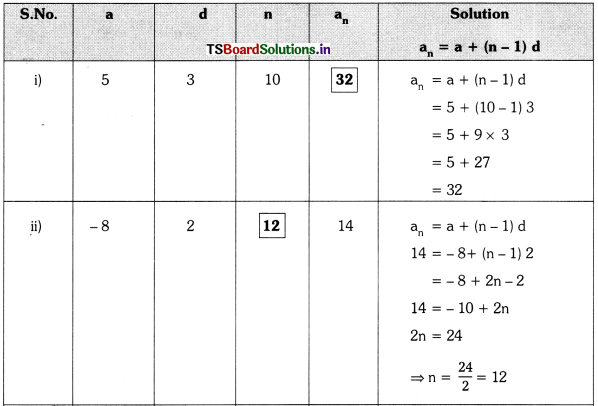
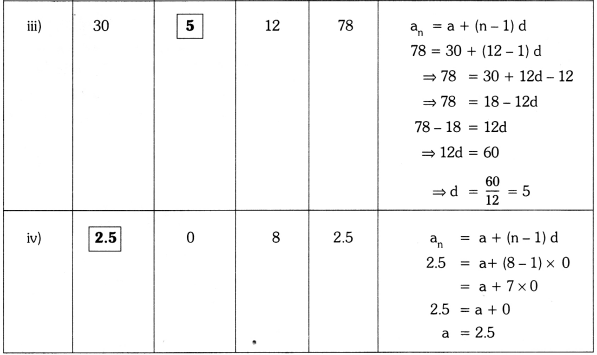
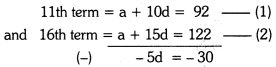
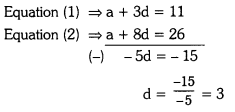

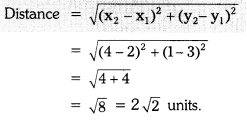
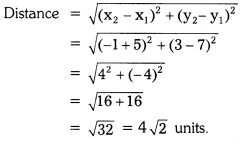
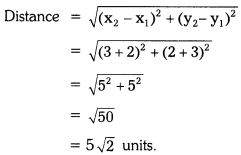
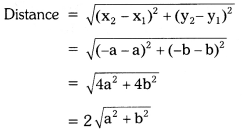
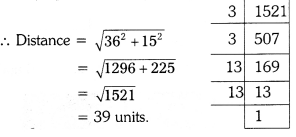
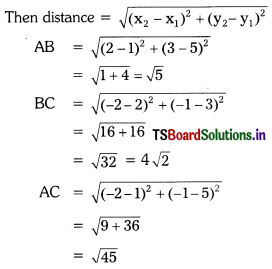
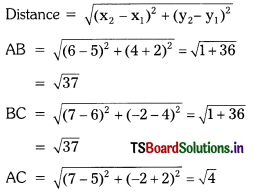
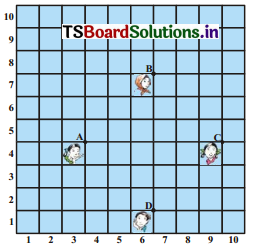
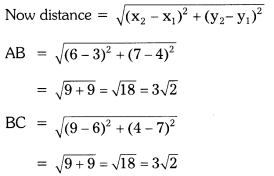
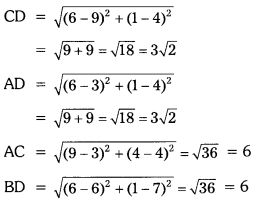
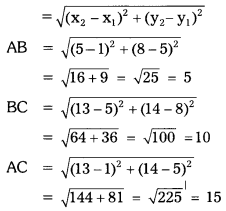
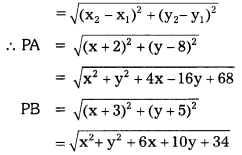
 ABCD four sides are equal.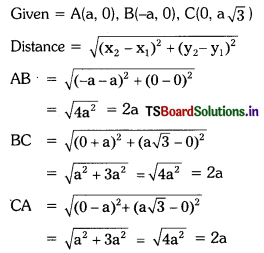
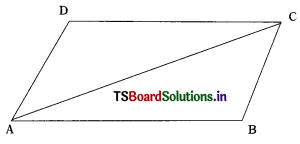
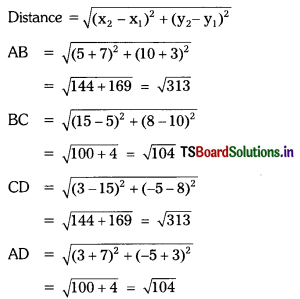
 ABCD, both pairs of opposite sides (AB, CD) and (BC, AD) are equal.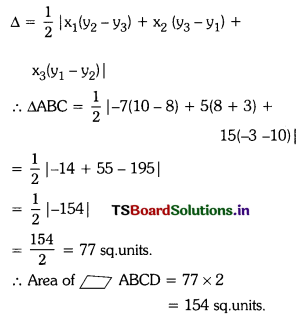
 ABCD, A (-4, -7), B(-1, 2), C(8, 5) and D(5, -4)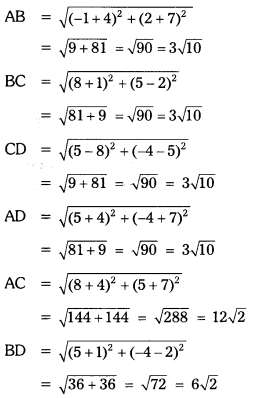
 ABCD, AB = BC = CD = AD [from sides are equal]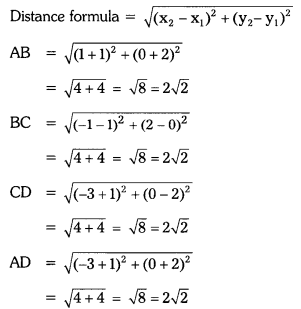
 ABCD, AB = BC = CD = AD four sides are equal.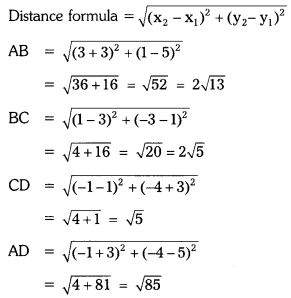
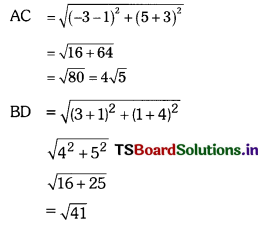
 ABCD, AB ≠ CD, BC ≠ AD and AC ≠ BD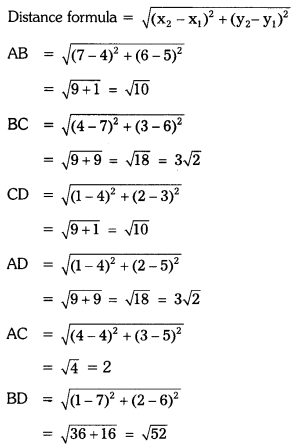
 ABCD, AB = CD and BC = AD (i.e., both pairs of opposite sides are equal) and AC ≠ BD