TS Inter 1st Year Telugu Study Material Poem 1 విద్యాలక్ష్యం

Telangana TSBIE TS Inter 1st Year Telugu Study Material 1st Poem The Dinner Party Textbook Questions and Answers.

TS Inter 1st Year Telugu Study Material 1st Poem విద్యాలక్ష్యం

అభ్యాసం

I. వ్యాసరూప ప్రశ్నలు

ప్రశ్న 1.
ద్రోణార్జునుల గురుశిష్య సంబంధాన్ని చర్చించండి?
జవాబు:
భరద్వాజ మహర్షి పుత్రుడైన ద్రోణాచార్యుడు గొప్ప అస్త్ర విద్యా నిపుణుడు. కౌరవులకు, పాండవులకు విలువద్య నేర్పడానికి భీష్ముడు ద్రోణాచార్యుడిని రాజగురువు గా నియమించాడు. దివ్యాస్త్రాలతో సహా అన్నిరకాల అస్త్ర, శస్త్ర యుద్ధ విద్యలలో ఆరితేరినవాడు ద్రోణుడు. అర్జునుడు అతని ప్రియ విద్యార్ధి. ద్రోణుడికి అర్జునుని కన్నా ప్రియమైనవారు ఎవరన్నా ఉంటే అది అతని కుమారుడు అశ్వత్థామ మాత్రమే.

మహాభారత ఇతిహాసంలో ఉత్తమ గురువుగా ద్రోణాచార్యుడు, మరియు ఉత్తమ విద్యార్ధిగా అర్జునుడు గురుశిష్య బంధానికి తార్కాణంగా నిలిచి పోయారు. రాజకుమారులందరికీ గురువుగా ఉన్న ద్రోణుడు అర్జునుడు ఒక అసాధారణ విద్యార్ధి అని గమనించాడు. విద్యార్ధులందరికీ పెట్టిన తొలి పరీక్షలోనే అర్జునుడిలోని అపారమైన సంకల్పం మరియు ఏకాగ్రతను గమనించాడు ద్రోణుడు. ఒక రోజు గొప్ప యోధుడవుతాడని గ్రహించాడు. ద్రోణాచార్యుడు పెట్టిన అన్ని పరీక్షలలోను అర్జునుడు అందరినీ మించిపోయాడు.

అర్జునుడు అపారమైన “గురుభక్తితో ద్రోణుడిని సేవించాడు. భీష్మునిచే ఆచార్యునిగా నియమింపబడగానే రాకుమారులందరినీ చూసి నా దగ్గర అస్త్ర విద్యలు నేర్చి నా కోరికమీలో ఎవ్వడు తీర్చగలడు? అని అడుగగా కౌరవులందరూ పెడమొగం పెట్టగా, అర్జునుడు నేను తీరుస్తానని ముందుకు వచ్చాడు. అలా ముందుకు వచ్చిన అర్జునుని అపారప్రేమతో కౌగలించుకున్నాడు. అలాగే ద్రోణుని సరస్సులో మొసలి పట్టుకున్న సమయంలో అర్జునుడే ద్రోణుని మొసలి నుంచి విడిపించి తన ప్రతిభను చాటుకున్నాడు.

చీకటిలో బాణాలు వేయడం అభ్యసిస్తున్నా అర్జునుని చూసి, అస్త్రవిద్యలోని అతని పట్టుదలకి శ్రద్ధకు సంతోషించి నీకంటే విలువిద్యలో అధికులు లేనట్లుగా నేర్పిస్తానన్నాడు ద్రోణుడు అన్నట్లుగానే సకల విద్యాయుద్ధకౌశలాన్ని, అస్త్ర, శస్త్రాలను, దివ్యాస్త్రాలను యుద్ధవ్యూహాలను సంపూర్ణంగా బోధించి ఒకనాటి పరశురాముడు కూడా విలువిద్యలో ఇంతటి వాడు కాడు అనేట్లుగా, అర్జునుని తీర్చిదిద్దాడు.

అర్జునునికన్నా విద్యపట్ల శ్రద్ధ, ఆసక్తి, గురుభక్తి, వినయ కారణంగా ద్రోణుడి ప్రియ శిష్యుడయ్యాడు. బ్రహ్మాస్త్రాన్ని అర్జునునికి ఇచ్చి సాధారణ యోధులకి వ్యతిరేకంగా వాడవద్దని, చెప్పాడు. విలువిద్య కళను నేర్చుకోవటంతో ఉన్న అంకిత భావం అచంచల ఏకాగ్రత కారణంగా గురువు హృదయంలో స్థానం సంపాదించాడు. ద్రోణుడు కూడా తనకున్న విద్యాజ్ఞానాన్నంతటినీ శిష్యులకు ధారపోసాడు. గురుద్రోణాచార్య, శిష్యుడు అర్జునుడు పంచుకున్న బంధం భారత ఇతిహాసంలో ప్రత్యేకంగా నిలిచి పోయింది.

TS Inter 1st Year Telugu Study Material Poem 1 విద్యాలక్ష్యం

ప్రశ్న 2.
‘విద్యాలక్ష్యం’ పాఠ్యభాగ సారాంశాన్ని వివరించండి?
జవాబు:
ద్రోణుడు అగ్నివేశుడనే మహాముని వద్ద ధనుర్విద్యా పాఠంగతుడయ్యాడు. అనేక దివ్యాస్త్రాలు పొందాడు. తండ్రి ఆజ్ఞతో కృపాచార్యుని చెల్లెలైన కృపిని వివాహమాడాడు. అశ్వత్థామ అనే కుమారుడిని పొందాడు. ద్రోణుడు పరశురాముని వద్దకు వెళ్ళి వినయంతో తన్న తాను పరిచయం చేసుకుని ధనాన్ని ఆశించి మీ వద్దకు వచ్చాను అని అనగా పరశురాముడు తన వద్దనున్న ధనాన్నంతటినీ వేదజ్ఞానంగల బ్రాహ్మణులకు ఇచ్చివేసానని, తన దగ్గర శరీరం, శస్త్రాస్త్రాలు మాత్రమే ఉన్నాయి అన్నాడు. అప్పుడు ద్రోణుడు ధనాలలో మిక్కిలి శ్రేష్ఠమైనవి శస్త్రాస్త్రములు కాబట్టి వాటిని ప్రసాదించ మనగా పరశురాముడు అనేక దివ్యాస్త్రాలను బోధించాడు.

ఆ విధంగా పరశురాముని వద్ద నుండి యుద్ధవిద్యలు అభ్యసించి ధనాన్ని కోరి తన చిన్ననాటి మిత్రుడయిన ద్రుపదుని వద్దకు వెళ్ళగా ద్రుపదుడు ధన, అధికార గర్వంతో పేదవాడైన ద్రోణుని తీవ్రంగా అవమానపరచాడు. అవమాన భారంతో, కలత చెందిన మనసు కలవాడై, తన భార్య, కుమారుడు, అగ్రిహోత్రం, శిష్యసమేతంగా హస్తినాపురానికి బయలుదేరాడు. ఆ పట్టణం బయట కౌరవ, పాండవులు చెండాట ఆడుతుండగా వాళ్ళాడుతున్న బంగారు బంతి బావిలో పడింది.

ఆకాశంలోని నక్షత్రంలా మెరుస్తున్న ఆ బంతిని బయటకు తీయలేక రాకురులం అలా చూస్తూ ఉన్నారు. ఇంతలో అటువచ్చిన ద్రోణుడు ఆ బంతిని తన బాణము లతో తాడులాగా చేసి బంతిని బయటకు లాగి ఇచ్చాడు. అది చూసిన రాజకుమారు లందరూ ఆశ్చర్యపడి ద్రోణుడిని తీసుకుని వెళ్ళి భీష్మునికి జరిగినదంతా చెప్పారు. భీష్ముడు ద్రోణుడి వివరములడుగగా ద్రోణుడు తన వివరాలన్నీ తెలిపి ద్రుపదుని వలన కలిగిన అవమానం, కుమారుని ఆకలి బాధలు అన్నీ తెలిపాడు.

అది విన్న భీష్ముడు వెదకబోయిన తీగ కాళ్ళకు చుట్టుకున్నట్లు సంతోషించి ద్రోణుని గౌరవించి, ధనదానాలిచ్చి సంతోషపరచాడు. అంతేకాక తన మనమళ్ళ నందరినీ ద్రోణునికి చూపించి, వీరికి గురుత్వం వహించి వీరులుగా తీర్చిదిద్దుమని కోరాడు ద్రోణుడు వారందరినీ శిష్యులుగా స్వీకరించాడు.

అర్జునుడు శస్త్రాస్త్ర విద్యలలో అధికుడై వినయంతో ఎప్పుడూ గురుపూజ చేస్తూ ద్రోణుణ్ణి సంతోషపరచాడు. అస్త్రవిద్యలో అర్జునునికి గల పట్టుదలకి సంతోషించి అతనికంటే విలువిద్యలే అధికులు లేరు అన్నట్లుగా విద్య నేర్పిస్తానని వాగ్దానం చేసాడు. ద్రోణుడు కూడా అర్జునునికి అన్ని రకాల యుద్ధవ్యూహాలు, అస్త్ర, శస్త్రాలు సర్వము బోధించాడు. ఒకనాటి పరశురాముడు కూడా ఇంటివాడు కాదు అన్నట్లుగా అర్జునునికి విద్య నేర్పించాడు.

TS Inter 1st Year Telugu Study Material Poem 1 విద్యాలక్ష్యం

ద్రోణుని వలన శస్త్రాస్త్ర విద్యాబోధనను పొందటంలో రాజకుమారులు అంతా సమానమే అయినా అర్జునుడు విశేషంగా సాధన చేసి సర్వశ్రేష్ఠుడయ్యాడు. రాజకుమారుల నైపుణ్యం తెలుసుకోవటం కోసం చెట్టు చివరన పక్షిబొమ్మను ఉంచి విద్యార్ధుల ఏకాగ్రతను ద్రోణుడు పరీక్షించగా అందరూ విఫలమవ్వగా అర్జునుడు తన ఏకాగ్రతతో లక్ష్యాన్ని భేదించాడు.

తరువాత మరొకసారి ద్రోణుడు సరస్సులో స్నానం చేస్తుండగా ఒక మొసలి వచ్చి ద్రోణుని కాలును పట్టుకోగా తాను సమర్థుడై ఉండి కూడా శిష్యుల నైపుణ్యం పరీక్షించదలచి రాకుమారులను కాపాడమని కోరాడు. వారంతా విడిపించలేక దిక్కుతోచని స్థితిలో ఉండగా మహాపరాక్రమంతో ఐదు బాణాలతో ఆ మొసలిని సంహరించి గురువును కాపాడుకున్నాడు. అర్జునుడు. సంతోషించిన ద్రోణుడు అర్జునునికి అనేక దివ్యాస్త్రాలు ప్రసాదించాడు అని వైశంపాయనుడు జనమేజయునికి చెప్పాడు.

II. సంగ్రహరూప ప్రశ్నలు

ప్రశ్న 1.
నన్నయభట్టు గురించి తెలపండి?
జవాబు:
నన్నయ 11వ శతాబ్దంలో రాజమహేంద్రవరాన్ని పరిపాలించిన రాజరాజ నరేంద్రుని ఆస్థానకవి. ఉభయభాషా కావ్యరచనా శోభితుడు. ఆదికవి, శబ్ధశాసనుడు అనే బిరుదులు కలిగినవాడు. రాజరాజు కోరికపై వ్యాస భారతాన్ని తెలుగులోకి అనువదించాడు. రెండున్నర పర్వముల వరకే నన్నయ్య భారతరచన సాగింది. ఆంధ్రశబ్ధ చింతామణి, ఇంద్రవిజయం, లక్షణసార వంటి ఇతర గ్రంథాలు రచించాడు.

ప్రశ్న 2.
ద్రుపదుడి చేతిలో ద్రోణుడు ఏ విధంగా భంగపడ్డాడు?
జవాబు:
ఆ విధంగా పరశురాముని వద్ద నుండి దివ్యాస్త్రాలను మంత్ర, ప్రయోగ రహస్యాలతో సహాపొంది, విలువిద్యను అభ్యసించి, ధనాన్ని కోరి తన చిన్ననాటి స్నేహితుడైన ద్రుపదుని వద్దకు వెళ్ళి, నేను నీ బాల్యమిత్రుడిని, నీతో కలిసి చదువుకున్న వాడిని, తెలుసుకదా అని స్నేహపూర్వకంగా మాట్లాడగా, ద్రుపదుడా మాటలను సహించలేక కోపంతో ఇలా అన్నాడు.

ధనవంతునితో పేదవానికి, తత్వజ్ఞానికి మూర్ఖునితో, శాంతమూర్తికి క్రూరునితో, యుద్ధరంగంలో వీరునికి, పిరికితనంతో పారిపోయే, పిరికివాడికి కవచం కలిగిన వీరునికి, కవచం లేని వానితో, సజ్జనునికి దుర్మార్గునితో స్నేహం ఏ విధంగా కలుగుతుంది. కలగదు అని తనని తాను ప్రశంసించుకుంటూ, అకారణంగా ద్రుపదుని నిందించాడు.

TS Inter 1st Year Telugu Study Material Poem 1 విద్యాలక్ష్యం

ప్రశ్న 3.
ఎవరెవరి మధ్య సఖ్యత కుదరదని ద్రుపదుడు చెప్పాడు?
జవాబు:
ధనవంతునితో పేదవానికి, తత్వజ్ఞానికి మూర్ఖునితో, శాంతమూర్తికి క్రూరునితో, యుద్ధరంగంలో వీరునికి, పిరికితనంతో పారిపోయే, పిరికివాడికి కవచం కలిగిన వీరునికి, కవచం లేని వానితో, సజ్జనునికి దుర్మార్గునితో స్నేహం ఏ విధంగా కలుగుతుంది. కలగదు అని తనని తాను ప్రశంసించుకుంటూ, అకారణంగా ద్రుపదుని నిందించాడు. సమానమైన స్వభావం, విద్య కలవాళ్ళకు, సమానమైన సంపద కలవాళ్ళకు, సమానమైన మంచి నడవికలవాళ్ళకు స్నేహం, వివాహం ఏర్పడతాయి. కాని సమానులు కానివాళ్ళకు అవి ఏర్పడతాయా? (ఏర్పడవని భావం)

ప్రశ్న 4.
కల్పిత పక్షిని ఛేదించే సమయంలో కురుకుమారుల ప్రతిభను తెలుండి?
జవాబు:
ఆ కురుకుమారుల విలువిద్యా నైపుణ్యాన్ని తెలిసికొనగోరి ఒకనాడు ద్రోణుడు భాసమనే పక్షిని రూపొందించి, ఒక చెట్టు కొమ్మ చివరన కట్టి దానిని అందరికీ చూపి నేను చెప్పినప్పుడు, మీమీ ధనువులు ఎక్కుపెట్టి, ఆ పక్షితలను తెగ కొట్టండి. నేను ఒక్కొక్కరినే ఆజ్ఞాపిస్తాను అని, ముందుగా ధర్మరాజును పిలిచి ఈ చెట్టు కొమ్మ కొసన ఉండే పక్షిని చక్కగా చూచి, నేను చెప్పినప్పుడు బాణంతో కొట్టుము అనగా అతడు సర్ అని గురువు మాట ప్రకారం సిద్ధంగా ఉండగా, ద్రోణుడు ఇట్లా అన్నాడు.

ఓ ధర్మరాజా! చెట్టుకొమ్మ చివర ఉన్న పక్షితలను స్పష్టంగా చూచావా అని అడుగగా, చక్కగా చూచానని అతడు చెప్పగా, మరల ద్రోణుడు ధర్మరాజుతో ఇట్లా అన్నాడు. జనులచేత పొగడబడే ఓ ధర్మరాజా! ఆ మానును, నన్ను, నీ తమ్ముళ్ళను చూశావా? అని ద్రోణుడు అడుగగానే పుణ్యాత్మ! చెట్టు మీదనున్న ఆ పక్షితో పాటు అన్నిటినీ చూచానని ధర్మరాజు అన్నాడు.

అనగా విని ద్రోణుడు ధర్మరాజును మందలించి నీ దృష్టి చెదిరింది, నీవుదానిని కొట్టలేవు. పక్కకు తప్పుకొమ్ము అన్నాడు. అదే విధంగా దుర్యోధనుడు మొదలైన కౌరవులను, భీమునకుల, సహదేవులను వివిధ దేశాల నుండి వచ్చిన రాకుమారులను వరుసగా అడుగగా వాళ్ళంతా ధర్మరాజు ఇచ్చిన సమాధానమే ఇచ్చారు. ద్రోణుడు అందరినీ మందలించి తరువాత అర్జునుని పిలిచి వాళ్ళను అడిగినట్లే అడుగగా అతడిట్లా అన్నాడు. పక్షితలను చక్కగా చూచాను. ఇంకేదీ నాకు కనిపించడం లేదు అని అర్జునుని అనగా ద్రోణుడు గురిచూసి కొట్టుము అని సూక్ష్మదృష్టిగల అర్జునుని ఆజ్ఞాపించాడు.

TS Inter 1st Year Telugu Study Material Poem 1 విద్యాలక్ష్యం

గురువు చెప్పిన తర్వాత అర్జునుడు బాణాన్ని వదిలాడు. ఆ పక్షితల తత్క్షణమే తెగి చెట్టుకొమ్మ నుండి నేలమీద పడింది.

III. ఏక పద/వాక్య సమాధాన ప్రశ్నలు

ప్రశ్న 1.
నన్నయ్యకు భారత రచనలో ఎవరు సహాయపడ్డారు.
జవాబు:
నారాయణభట్టు

ప్రశ్న 2.
నన్నయ ఎవరి ఆస్థానకవి?
జవాబు:
రాజరాజ నరేంద్రుడు

ప్రశ్న 3.
ద్రోణుడి మిత్రుడి పేరేమిటి?
జవాబు:
ద్రుపదుడు

ప్రశ్న 4.
అశ్వత్థామ ఎవరి కుమారుడు?
జవాబు:
ద్రోణుడు-

ప్రశ్న 5.
ద్రోణాచార్యుడికి ఎవరెవరు అస్త్రశస్త్రాలు ప్రసాదించారు?
జవాబు:
అగ్నివేశుడు, పరశురాముడు

TS Inter 1st Year Telugu Study Material Poem 1 విద్యాలక్ష్యం

ప్రశ్న 6.
‘పక్షికున్ను’ లక్ష్యంగా ఎవరు బాణం వేశారు.
జవాబు:
అర్జునుడు

ప్రశ్న 7.
పరశురాముడు తన ధనాన్ని ఎవరికి ఇచ్చాడు?
జవాబు:
విప్రులకు దానం చేసాడు.

ప్రశ్న 8.
ద్రోణుడిని ధనుర్విద్యాచార్యుడిగా ఎవరు నియమించారు?
జవాబు:
భీష్ముడు

IV. సందర్భసహిత వ్యాఖ్యలు

ప్రశ్న 1.
సఖ్యము దానొడఁ గూడ నేర్చునే !
జవాబు:
కవి పరిచయం :
ఈ వాక్యం నన్నయభట్టుచే రచింపబడిన శ్రీమదాంధ్ర మహాభారతం ఆదిపర్వం, పంచమాస్వాశం నుండి గ్రహించబడిన విద్యాలక్ష్యం అనే పాఠం నుంచి గ్రహించబడింది.

సందర్భం :
స్నేహపూర్వకంగా తనతో మాట్లాడిన ద్రోణుడిని అవమానిస్తూ ద్రుపదుడు పలికి సందర్భంలోనిది.

భావం :
ధనవంతునితో పేదవానికి, తత్వజ్ఞానికి మూర్ఖునితో, శాంతమూర్తికి క్రూరునితో, యుద్ధరంగంలో వీరునికి, పిరికితనంతో పారిపోయే, పిరికివాడికి కవచం కలిగిన వీరునికి, కవచం లేని వానితో, సజ్జనునికి దుర్మార్గునితో స్నేహం ఏ విధంగా కలుగుతుంది. కలగదు అని తనని తాను ప్రశంసించుకుంటూ, అకారణంగా ద్రుపదుని నిందించాడు.

TS Inter 1st Year Telugu Study Material Poem 1 విద్యాలక్ష్యం

ప్రశ్న 2.
అత్యుత్తమ ధనములు శస్త్రాస్త్రములు.
జవాబు:
కవి పరిచయం :
ఈ వాక్యం నన్నయభట్టు చే రచింపబడిన శ్రీమదాంధ్ర మహా భారతం ఆదిపర్వం, పంచమాస్వాశం నుండి గ్రహించబడిన విద్యాలక్ష్యం అనే పాఠం నుంచి గ్రహించబడింది.

భావం :
జనులచేత ప్రశంసించబడే ఓ పరశురామా! ధనాలలో మిక్కిలి శ్రేష్ఠమైనవి. శస్త్రాస్త్రములు. కాబట్టి సంతోషంతో వాటిని తీసుకుని కృతార్థుడనవుతాను. శస్త్రాస్త్ర సమూహాన్ని నాకు ఇవ్వవలసింది అని ద్రోణుడన్నాడు.

ప్రశ్న 3.
నారాజ్యభోగంబులు నీవు ననుభవింపనర్హుండ
జవాబు:
కవి పరిచయం :
ఈ వాక్యం నన్నయభట్టు చే రచింపబడిన శ్రీమదాంధ్ర మహా భారతం ఆదిపర్వం, పంచమాస్వాశం నుండి గ్రహించబడిన విద్యాలక్ష్యం అనే పాఠం నుంచి గ్రహించబడింది.

సందర్భం :
ఎక్కడ నుంచి వస్తున్నారు అని భీష్ముడు అడిగినప్పుడు ద్రోణుడు తన వఋత్తాంతాన్ని తెలియచేసిన సందర్భంలోనిది

భావం :
నా పేరు ద్రోణుడు, భరద్వాజుని కుమారుడను. అగ్నివేశ్యుడనే గొప్ప మునిశ్రేష్ఠుని దగ్గర బ్రహ్మచర్య దశలో వేదాద్యయనం చేసి, ధనుర్వేదం నేర్చుకుంటున్న కాలంలో, పాంచాలరాజైన పృషతుని కుమారుడు ద్రుపదుడనేవాడు నాకు ప్రియమిత్రుడై అన్ని విద్యలూ గురువు దగ్గర నేర్చి, నేను పాంచాల దేశానికి రాజైనప్పుడు నీవు నా దగ్గరికి రావాలి సుమా! నా రాజ్యభోగాలు నీవు కూడా అనుభవించడానికి అర్హుడవని నన్ను ప్రార్థించి వెళ్ళాడు. పృషతుని తర్వాత ద్రుపదుడు ఆ దేశానికి రాజయ్యాడు నేను తండ్రి ఆజ్ఞచేత కృషిని వివాహమాడి, తేజశ్శాలి అయిన బాలుడు అశ్వత్థామను కొడుకుగా పొంది, ధనం లేమి చేత సంసారాన్ని భరించలేని వాడై ఉండి కూడా,

TS Inter 1st Year Telugu Study Material Poem 1 విద్యాలక్ష్యం

ప్రశ్న 4.
దారిద్య్రంబున కంటెఁగష్టంబొందెద్దియులేదు.
జవాబు:
కవి పరిచయం :
ఈ వాక్యం నన్నయభట్టు చే రచింపబడిన శ్రీమదాంధ్ర మహా భారతం ఆదిపర్వం, పంచమాస్వాశం నుండి గ్రహించబడిన విద్యాలక్ష్యం అనే పాఠం నుంచి గ్రహించబడింది.

సందర్భం :
తనకుమారుని ఆకలి బాధను ద్రోణుడు భీష్మునికి చెప్పిన సందర్భంలోనిది.

భావం :
ధనవంతుల బిడ్డలు ప్రతిదినం సంతోషంతో పాలు తాగుతుండగా నా కుమారుడు వీడు బాల్యంలో నాకు కూడా పాలు పోయడని ఏడ్చాడు. దానిని చూచి దారిద్య్రం కంటే కష్టం మరొకటి లేదని భావించి ఈ దారిద్ర్యాన్ని నా బాల్యమిత్రుడైన పాంచాలరాజు ద్రుపదుని దగ్గరకు పోయి తొలగించుకుంటాను. అతడు తన దేశానికి రాజు కావటానికి వెళ్తూ నన్ను ఆహ్వానించి వెళ్ళాడు.

V. సంధులు

1. వేదాధ్యయనంబు = వేద + అధ్యయనంబు = సవర్ణదీర్ఘ సంధి
సూత్రం:

2. నిఖిలోర్వి = నిఖిల + ఉర్వి = గుణసంధి
సూత్రం:

3. విద్యోపదేశం = విద్య + ఉపదేశ = గుణసంధి
సూత్రం:

4. నాటనేసి = నాటన్ + ఏసి = ద్రుతప్రకృతిక సంధి
సూత్రం: ఇకాదులకు దక్క ద్రుత ప్రకృతికంబులకు సంధిలేదు

5. పాలికిఁబోవ = పాలికిన్ + పోవన్ = సరళాదేశ సంధి
సూత్రం : ద్రుతము మీది పరుషములకు సరళములాదేశమును ఆదేశ సరళములకు ముందున్న ద్రుతమునకు బిందు సంశ్లేషం విభాషనగు

TS Inter 1st Year Telugu Study Material Poem 1 విద్యాలక్ష్యం

6. తెగనేసిన = తెగన్ = ఏసిన = ద్రుఁత ప్రకృతిక సంధి
సూత్రం : ఇకాదులకు దక్క ద్రుత ప్రకృతిందికంబులకు సంధిలేదు

7. అవ్విహగము = ఆ+ విహగము = త్రిక సంధి
సూత్రం:

8. మహోగ్ర = మహా+ఉగ్ర = గుణసంధి

9. శాఖాగ్ర = శాఖ + అగ్ర = సవర్ణదీర్ఘసంధి

VI. సమాసాలు

1. అస్త్రశస్త్రాలు – అస్త్రములు మరియు శస్త్రములు = ద్వంద్వసమాసం
2. దివ్యబాణం – దివ్యమైన బాణం – విశేషణపూర్వపదకర్మధారయం
3. గుణసంపద – గుణములనెడి సంపద – రూపక సమాసం
4. విపులతేజుడు – విపులమైన తేజం కలవాడు – బహువ్రీహిసమాసం
5. గురువచనం – గురువు యొక్క వచనం – షష్ఠీ తత్పురుష సమాసం
6. తపోవృత్తి – తపస్సు అనెడి వృత్తి – రూపక సమాసం
7. పుత్రలాభం – – పుత్రుని వలన లాభం – పంచమీ తత్పురుష సమాసం
8. ధనుర్విద్యాకౌశలం – ధనుర్విద్యయందుకౌశలం-సప్తమీ తత్పురుష సమాసం
9. ధనపతి – ధనమునకు మతి – షష్ఠీతత్పురుష సమాసం
10. ఇష్టసఖుడు – ఇష్టమైన సఖుడు – విశేషణ పూర్వపద కర్మధాయసమాసం

TS Inter 1st Year Telugu Study Material Poem 1 విద్యాలక్ష్యం

ప్రతిపదార్థ, తాత్పర్యములు.

1వ పద్యం :

ద్రోణుండును, నగ్నివేశ్యుంటను మహామునివలన్న
నాగ్నేయాస్త్రంచారిగానే కనిప్యబాంబులు వల్లా, భరదాంతో వియోగంబునం
బుత్రలాభారంబు కృష్ణుని చెలియలిం గృమమేదాని వివాహంభయి
దావియందశ తాఘయను కొడుతుంటదని.

అర్ధాలు :
పారగుండు + ఐ = విలువిద్య అంతాన్ని ముట్టినవాడై (విద్యను సంపూర్ణంగా నేర్చుకొనుట)
తద + ప్రసాదంబున = అగ్నివేశ్యుని దయచేత
ఆగ్నేయ + అస్త్రంబు = ఆగ్నేయాస్త్రము (దివ్యాస్త్రములలో ఒకటి)
ఆదిగా = మొదటగా
దివ్యబాణంబులు = దేవతా సంబంధమైన అస్త్రములు
పడసి = పొందు
భరద్వాజనియోగంబునన్ = భరధ్వాజుని ఆజ్ఞచే
పుత్రలాభార్థంబు = కుమారుని పొందుటకు
కృపుని చెలియలి = కృపాచార్యుని చెల్లెలైన
కృపి అనుదానిన్ = కృపి అనుపేరుగల స్త్రీతో
వివాహంబు + అయి = పెండ్లికాగా
దానియందు = ఆమెయందు
అశ్వత్థామ = అశ్వత్థామ
అనుకొడుకును = అనబడే కుమారుడిని
పడసి = పొందెను

భావము :
ద్రోణుడు అగ్నివేశ్యుడనే మహాముని వద్ద ధనుర్విద్యాపారంగతుడై, అతని అనుగ్రహం చేత ఆగ్నేయాస్త్రం మొదటగా, అనేక దివ్యాస్త్రాలు పొంది, భరద్వాజుని ఆజ్ఞచేత పుత్రులను పొందటానికి కృపుని చెల్లెలైన ‘కృపి’ని వివాహమాడాడు. ఆమె వలన అశ్వత్థామ అనే కొడుకును కన్నాడు.

TS Inter 1st Year Telugu Study Material Poem 1 విద్యాలక్ష్యం

2వ పద్యం :

అరిగి మహేంద్రాచలనం సద్వినయముపస్
బీరమ తపోవృత్తి నున్న భారవు లోకా
త్తరు భూరి కర్మ నిర్మల
చరకుని ద్రోణుండు గాంచి

ప్రతిపదార్థం :
అరిగి = వెళ్ళి
మహేంద్ర + అచలమున్ = మహేంద్ర పర్వతం వద్ద
పరమ = గొప్ప
తపోవృత్తి = తపస్సు అనే పనిలో
ఉన్న = నిమగ్నుడైన
భూరి = గొప్ప
కర్మ = పనులలే
నిర్మల చరితుడు = పరిశుద్ధుడైన చరిత్రగల
భార్గవు = భృగువంశపువాడైన పరశురాముడిని
ద్రోణుండు = ద్రోణుడు
కాంచి = చూచి
సత్ + వినయంబున = మంచి వినయంతో

భావం :
మహేంద్ర పర్వతం వద్దకు వెళ్ళి ఘోర తపస్సు చేస్తున్నవాడు, లోకంలో శ్రేష్ఠుడూ, గొప్పపనులు చేయడంతో పరిశుద్ధుడైన నడవడిక గలవాడు భృగువంశ పరశురాముని ద్రోణుని చూచి మంచి వినయంతో

TS Inter 1st Year Telugu Study Material Poem 1 విద్యాలక్ష్యం

3వ పద్యం :

వ. ‘ఏను భారద్వాజుండ, ద్రోణుండనువాఁడ సర్ధార్థి నై నీ కడకు వచ్చితి ననినఁ బరశు
రాముం డిట్లనియె.

ప్రతిపదార్థం :
ఏను = నేను
భరధ్వాజుండు = భరద్వాజుని కుమారుడును
ద్రోణుండు + అనువాడన్ = ్రోణుడు అనేవాడిని
అర్థ + అర్థిని + ఐ = ధనాన్ని కోరినవాడై
నీ కడకు = నీ దగ్గరకు
వచ్చితి = వచ్చాను.
అనినం = అనగా
పరశురాముడు = పరశురాముడు
ఇట్లనియె = ఈ విధంగా బదులు పలికాడు

భావం:
నేను భరధ్వాజుని కుమారుడనైన ద్రోణుడిని. ధనాన్ని ఆశించి మీ దగ్గరకు వచ్చాను అని అనగా పరశురాముడు ఈ విధంగా బదులు పలికాడు.

4వ పద్యం :

చ. కల ధన మెల్ల ముందఱ జగన్నుత! విప్రుల కిచ్చి, వారిమే
ఖలనిఖిలోర్వి యంతయును గశ్యపుఁ డన్ముని కిచ్చితిన్, శరం
బులును శరీరశస్త్రములుఁ బొల్పుగ నున్నవి; వీనిలోన నీ
వలసిన వస్తువుల్ గొను ధ్రువంబుగ నిచ్చెద నీకు నావుడున్.

ప్రతిపదార్థం :
జగత్ + నుత = లోకంచే కీర్తించబడేవాడా !
కలధనము + ఎల్లన్ = ఉన్న ధనాన్నంతటినీ
ముందర = ముందుగానే
విప్రులకిచ్చి = వేదజ్ఞానం గల బ్రహ్మణులకిచ్చి
వార్థి = సముద్రం అనే
మేఖల = ఒడ్డాణం గల
విభాల + ఉర్వి = సమస్త భూమండలాన్ని
కశ్యపుడు = కశ్యపుడు
అన్ + మునికిన్ = అనే మునికి
ఇచ్చితిన్ = ఇచ్చాను.
శరంబులు = బాణాలు
శరీరం = శరీరం
శస్త్రములు = దివ్యాస్త్రములు
పొట్టిగన్ =ఒప్పగా (చాలా)
ఉన్నని = ఉన్నా
వినిలోన = వీటిలో
నీవలసిన = నీకు కావలసిన
వస్తువుల్ = శస్త్రాస్త్రములు
కొను = తీసుకో
నీకున్ = నీకు
ధ్రువంబుగ = తప్పకుండా
ఇచ్చెదన్ = ఇస్తాను
నావుడును = అని పరశురాముడు అనగా

భావం :
లోకం చేత పొగడ్తలందుకున్న ఓ ద్రోణా! నీకు ఉన్నా ధనం అంతా ముందే వేదజ్ఞానం గల బ్రాహ్మణులకు ఇచ్చివేసాను. సముద్రం ఒడ్డాణంగా చుట్టిన భూమినందటినీ కశ్యపమహర్షికి ఇచ్చివేశాను. ఇక శస్త్రాస్త్రాలు, శరీరం మిగిలి ఉన్నాయి. వీటిలో నీకు కావలసింది తీసుకోవలసింది, నీకు తప్పక ఇస్తాను అని పరశురాముడు అనగా,

TS Inter 1st Year Telugu Study Material Poem 1 విద్యాలక్ష్యం

5వ పద్యం :

ధనములలో సత్యుత్తమ
ధనములు శస్త్రాస్త్రములు, ముదంబున వీనిం
గౌని కృతకృత్యుఁడ నగుదును
జవనుత! నా కొసఁగు మప్రశస్త్రచయంబుల్,

ప్రతిపదార్థం :
జననుత = జనుల చేత స్తుతింపబడేవాడా! ఓ పరశురామా!
ధనములలో = సంపదలలో
అత్యుత్తమ = మిక్కిలి శ్రేష్ఠమైన
ధనము = ధనాలు
శస్త్ర + అస్త్రములు = శస్త్రాలు, ఆయుధాలు
ముదంబున = సంతోషంతో
వీనిన్ = వీటిని
కొని = తీసుకొని
కృతకృత్యుఁడను = వచ్చినపని పూర్తిచేసుకున్నవాడిని
అగుదును = అవుతాను
నాకున్ = నాకు
అస్త్ర, శస్త్రచయంబుల్ = అస్త్ర, శాస్త్ర సమూహాల
ఒసగుము = ఇవ్వవలసింది

తాత్పర్యం :
జనులచేత ప్రశంసించబడే ఓ పరశురామా! ధనాలలో మిక్కిలి శ్రేష్ఠమైనవి శస్త్రాస్త్రములు. కాబట్టి సంతోషంతో వాటిని తీసుకుని కృతార్థుడనవుతాను. శస్త్రాస్త్ర సమూహాన్ని నాకు ఇవ్వవలసింది అని ద్రోణుడన్నాడు.

6వ పద్యం :

అని పరశురాముచేత దివ్యాస్త్రంబులు ప్రయోగ రహస్య మంత్రంబులతోడంబడపి,
ధనుర్విద్యాయునభ్యసించి, ధనార్ధియయి తనబాలసఖుండైన ద్రుపదు పాలికింజని ‘యేసు
ద్రోణుంద, నీ బాలసబుండి, సహాధ్యాయుంద నన్నెఱుంగుదే యని ప్రణయపూర్వకంబుగా
బలికిన విని యప్పలుకులు విన సహింపక ద్రుపడుండలిగి యిట్లనియె.

ప్రతిపదార్థం :
అని = ఆ విధంగా
పరశురాముచేత = పరశురాముని వలన
దివ్య + అస్త్రంబులు = దేవతా సంబంధ అస్త్రాలు
ప్రయోగ = ప్రయోగించడం
రహస్య = దాని యొక్క రహస్యం (మర్మం)
మంత్రంబులతోడన్ = దివ్యమంత్రాలతో సహా
ధనుర్విద్యయు = విలువిద్యనుకూడా
అభ్యసించి = నేర్చుకుని
ధనార్థియయి = ధనాన్ని కోరినవాడై
తన = తన
బాలసుడైన = బాల్యస్నేహితుడైన
ద్రుపదు = ద్రుపదుము
పాలకిన్ + చని = దగ్గరకు వెళ్ళి
యోను = నేను
ద్రోణుండు = ద్రోణుడవు
నీ బాలసఖుండు = నీ బాల్య స్నేహితుడుని
సహ + అధ్యాయుడన్ = నీతో కలిసి చదివిన వాడిని
నన్ను + ఎఱుంగదే = నన్ను గుర్తుపట్టావు కదా!
అని = అని పలికి
ప్రణయపూర్వకంగా = స్నేహభావం ఉట్టి పడగా
పలికినన్ = మాట్లాడగా
ఆ పలుకులు = ఆ మాటలు
వినసహింపక = వినటానికి ఇష్టపడక
ద్రుపదుడు = ద్రుపద మహారాజు
అలిగి = కోపంతో
ఇట్లనియె = ఇలా అన్నాడు.

భావం :
ఆ విధంగా పరశురాముని వద్ద నుండి దివ్యాస్త్రాలను మంత్ర, ప్రయోగ రహస్యాలతో సహాపొంది, విలువిద్యను అభ్యసించి, ధనాన్ని కోరి తన చిన్ననాటి స్నేహితుడైన ద్రుపదుని వద్దకు వెళ్ళి, నేను నీ బాల్యమిత్రుడిని, నీతో కలిసి చదువుకున్న వాడిని, తెలుసుకదా అని స్నేహపూర్వకంగా మాట్లాడగా, ద్రుపదుడా మాటలను సహించలేక కోపంతో ఇలా అన్నాడు.

TS Inter 1st Year Telugu Study Material Poem 1 విద్యాలక్ష్యం

7వ పద్యం :

చ. ధనపతితో దరిద్రునకుఁ, దత్త్వవిదుండగు వానితోడ మూ
ర్జునకుఁ బ్రశాంతుతోడఁ గడుఁ గ్రూరునకున్, రణశూరుతోడ భీ
రునకు, వరూథితోడ నవరూఢికి, సజ్జనుతోడఁ గష్టదు
ర్ధనునకు నెవ్విధంబునను సఖ్యము దా నొడఁ గూడ నేర్చునే

ప్రతిపదార్థం :
ధనపతితో = ధనానికి ప్రభువైనవానితో (ధనవంతునితో)
దరిద్రునకు = పేదవానికి
తత్త్వవిదుండు = తత్వపడతడు
అగువనితోడ = అయినవాడితో
మూర్ఖునకుఁ = తెలివితక్కువ వాడికి
ప్రశాంతుతోడున్ = మిక్కిలి శాంతం కలిగినవానితో
కడున్ + క్రూరునకున్ = మిక్కిలి క్రూరుడైనవానికి
రణశూరుతోడన్ = యుద్ధంతో పరాక్రమవంతుడైన వానితో
భీరునకు = పిరికివానికి
వరూధితోడన్ = కవచం కలిగినవానితో
అవరూధికిన్ = కవచం లేనివానికి
సజ్జనుతోడన్ = సన్మార్గునితో
కష్టదుర్జవునకు = పాపి అయిన దుర్మార్గునితో
సఖ్యము = స్నేహం
ఏ + విధంబునన్ = ఏ విధంబుగా
ఒడగూడన్ + నేర్చున్ = కలుగుతుంది ? (కలుగదు అని భావం)

విశేషం :
నన్నయ నానారుచిరార్థ సూక్తినిధికి ఈ పద్యం ఒక తార్కాణం

భావం :
ధనవంతునితో పేదవానికి, తత్వజ్ఞానికి మూర్ఖునితో, శాంతమూర్తికి క్రూరునితో, యుద్ధరంగంలో వీరునికి, పిరికితనంతో పారిపోయే, పిరికివాడికి కవచం కలిగిన వీరునికి, కవచం లేని వానితో, సజ్జనునికి దుర్మార్గునితో స్నేహం ఏ విధంగా కలుగుతుంది. కలగదు అని తనని తాను ప్రశంసించుకుంటూ, అకారణంగా ద్రుపదుని నిందించాడు.

TS Inter 1st Year Telugu Study Material Poem 1 విద్యాలక్ష్యం

8వ పద్యం :

సమశీలశ్రుతయుతులకు
సమధనవంతులకు సమసుచారిత్రులకుం
దమలో సఖ్యమును వివా
హము నగుఁ గా, కగునె రెండు నసమానులకున్?

అర్ధాలు :
సమ = సమానమైన
శీలం = స్వభావం
శ్రుత = విద్య
యుతులకు = కూడినవారికి
సమధనవంతులకు = సమానమైన ధనవంతులకు
సమచారిత్రులకున్ =సమానమైన మంచి నడవడిక కలిగిన వారికి
తమలో = వారికి వారిలో
సఖ్యము = స్నేహము
వివాహము = వివాహ బంధం
అగ్రిన కాక = ఏర్పడతాయిగాని
రెండు = స్నేహం, వివాహం అనే రెండు
అసమానులకున్ = సమానులు లేని వాళ్ళకి
అగునె = ఔతాయా? (లేవు అని భావం)

భావం :
సమానమైన స్వభావం, విద్య కలవాళ్ళకు, సమానమైన సంపద కలవాళ్ళకు, సమానమైన మంచి నడవికలవాళ్ళకు స్నేహం, వివాహం ఏర్పడతాయి. కాని సమానులు కానివాళ్ళకు అవి ఏర్పడతాయా? (ఏర్పడవని భావం)

TS Inter 1st Year Telugu Study Material Poem 1 విద్యాలక్ష్యం

9వ పద్యం :

‘ మణి యట్లుంగాక రాజులకుఁ గార్యవశంబునంజేసి మిత్రామిత్ర సంబంధంబులు
సంభవించుం గావున మా యట్టి రాజులకు మీ యట్టి పేద పాబువారలతోఁ గార్య
కారణం బైన సఖ్యం బెన్నందును గానేర’ దని ద్రుపదుండైశ్వర్యగర్వంబున మెచ్చక పలికిన
విని, ద్రోణుం ధవమానజనిత మన్యుమూర్ణమాన మానసుండయి యెద్దియుం జేయునది
నేరక పుత్రకళత్రాగ్నిహోత్ర శిష్యగణంబులతో హస్తిపురంబునకు వచ్చే నంత నప్పుర
బహిరంగణంబున దృతరాష్ట్ర పాండునందనులందఱుఁ గందుక క్రీడాపరులయి వేడుకతో
శ్రీ నాడుచున్నంత కాంచనకందుకం బొక్కనూతం బడిన

ప్రతిపదార్థం :
మఱి = ఇంకా
అట్లు కాక = ఆ విధంగా కాకుండా
రాజులకు = రాజులకు
కార్యవశంబునంజేసి = అవసరం చేత
మిత్ర + అమిత్ర = స్నేహం, వైరం
సంబంధంబులు = సంబంధాలు
సంభవించు = కలుగుతాయి
కావున = కాబట్టి
మీయట్టి = మీవంట
పేదపావిఱురలతో = పేదబ్రాహ్మణులతో
కార్యకారణంబు + ఐన = ప్రయోజనకరమైన (ఉపయోగకరమైన)
సఖ్యంబు = మైత్రి
ఎన్నండును = ఎన్నటికీ
కానేరదు = కలుగదు
అని = ఆ విధంగా
ద్రుపదుడు = ద్రుపద మహారాజు
ఐశ్వర్యగర్వంబునన్ = సంపద వలన కలిగిన పొగరులో
మెచ్చక = నిర్లక్ష్యంగా
పలికినవిని = మాట్లాడగా విని
ద్రోణుండు = ద్రోణుడు
అవమానజనిత = అవమానం వలన పుట్టిన
మన్యుఘార్ణమాన = కోపంతో తిరుగుడు బడుతున్న
మానసండయి = మనసు కలవాడై
ఎద్దియున్ = ఏమి
చేయునది నేరక = చేయాలో తెలియక
పుత్ర = కుమారుడు
కళత్ర = భార్య
అగ్నిహోత్ర = నిత్యాగ్నిహోత్రంతో
శిష్యగణంబులతో = శిష్యసమూహంతో
హస్తిపురంబునకున్ = హస్తినాపురానికి
వచ్చె = వచ్చెను
అంతన్ = అప్పుడు
ఆ + పుర = ఆ నగరం
బహిరంగణంబున్ = వెలుపల
ధృతరాష్ట్ర, పాండునందనులు = కౌరవులు, పాండవులు
అందఱన్ = అంతా
కందుక క్రీడాపరులు+అయి = చెండాట ఆడటంలో ఆసక్తి కలవారై
వేడుకతోనే = సంతోషంతో
ఆడుచు+ఉన్నంత = ఆడుతుండగా
కందుకంబు = ఆ బంగారు బంతి
నూతన్ = పడగా

భావం :
అంతేకాదు, రాజులకు అవసరాన్ని బట్టి మిత్రత్వ శత్రుత్వాలు ఏర్పడతాయి. అందుచేత మా వంటి రాజులకు, మీ వంటి పేద బ్రాహ్మణులతో ప్రయోజనం ఏమీ లేదు. కాబట్టి స్నేహం ఎప్పుడూ ఏర్పడదు అని ద్రుపదరాజు ఐశ్వర్యగర్వంతో తిరస్కరించి మాట్లాడగా ద్రోణుడు అవమానం వలన కలిగిన కోపంతో కలత చెందిన మనసుకలవాడై ఏమీ చేయటానికి తోచక, భార్యా, కొడుకు, అగ్నిహోత్రంతో, శిష్య సమూహాలతో హస్తినాపురానికి వచ్చాడు. అప్పుడు ఆ పట్టణం బయట ధృతరాష్ట్రుని కుమారులు పాండురాజు కుమారులు చెండాట ఆడుతుండగా విళ్ళాడుతున్న బంగారు బంతి బావిలో పడింది. అప్పుడు

TS Inter 1st Year Telugu Study Material Poem 1 విద్యాలక్ష్యం

10వ పద్యం :

నీరిలోనఁ దోఁచు తారక ప్రతిబింబ
మొక్కొ యనఁగ వెలుఁగుచున్నదాని
రాచకొడుకులెల్లఁ జూచుచునుండిరి
దానిఁ బుచ్చుకొను విధంబు లేక.

ప్రతిపదార్థం :
నీరిలోన = నీటిలో
తోఁచు= కనిపిస్తున్న
తారక = నక్షత్రం
ప్రతిబింబము+ఒక్కొ = ప్రతిబింబమా?
అనఁగ = అనేట్లుగా
వెలుగుచున్నా = ప్రకాశిస్తున్నా
దానిన్ = ఆ బంతిని
రాచకొడుకులెల్లఁ = రాకుమారులంతా
పుచ్చుకొను = తీసే
విధంబు = విధానం
లేక = తెలియక
చూచుమనుండిరి = చూస్తూ ఉన్నారు.

భావం :
నీటిలో ప్రతిసలిస్తున్న నక్షత్రమా అన్నట్లుగా వెలుగుతున్నా ఆ బంగారు బంతిని తీసుకునే మార్గం లేక రాకుమారులంతా ఊరకే చూస్తున్నారు.

విశేషం :
ఉత్ప్రేక్షాలంకారము

11వ పద్యం :

అట్టి యవసరంబున

ప్రతిపదార్థం :
అట్టయవసరంబున = ఆ సమయంలో

“దీని బాణపరంపరం జేసి పుచ్చి యిచ్చెదం జూడుఁ డీ విద్య యొరు లెవ్వరు నేర’ రని
ద్రోణుం డొక్కబాణంబభిమంత్రించి దృష్టి ముష్టి సౌష్ఠవంబు లొప్ప నక్కందుకంబు
నాటనేసి దాని పుంఖంబు మఱియొక బాణంబున నేసి తత్పుంఖంబొండొకబాణంబున
నేసి వరుసన బాణరజ్జువు గావించి దానిందిగిచికొని యిచ్చిన జూచి రాజకుమారులెల్ల
విస్మయంబంది ద్రోణుందోడ్కొనిచని భీష్మునకంతయు నెఱింగించిన నాతండును.

ప్రతిపదార్ధం :
దీనిన్ = ఈ బంతిని
బాణ = బాణముల
పరంపరం + చేసి = వరసతో
పుచ్చి = తీసుకొని
ఇచ్చెదన్ = మీకు ఇస్తాను.
చూడుఁడు = చూస్తూ ఉండండి
ఈ విద్య = ఈ విలువిద్యను
ఒరులు + ఎవ్వరున్ = ఇతరులెవ్వరూ
నేరరు = నేర్వలేదు
అని = ఆ విధంగా
ద్రోణుండు = ద్రోణుడు
ఒక్క బాణంబు = ఒక్క బాణాన్ని
అభిమాత్రించి = మంత్రంతో పిలిచి
దృష్టి = చూపు
ముష్టి = పిడికిలి
సౌష్టవంబులు = చక్కదనాలు
ఒప్పన్ = ఒప్పునట్లుగా
ఆ + కందకంబు = ఆ బంతిని
నాసిన్ + ఏట = గుచ్చుకునేట్లుగా కొట్టి
దాని = ఆ బాణం యొక్క
ప్రంఖలంబు = క్రింది చివర
మరియొక బాణంబున్ = ఇంకొక బాణంతో
ఏసి = కొట్టి
తద్ + పుంఖంబు = దాని యొక్క చివరి అంచును
బండు + ఒక = యేరొక
బాణంబునన్ = బాణ చేత
ఏసి = కొట్టి
వరుసన = వరుసగా
బాణ రజ్జువు = బాణాలు తాడును
కావించి = వచ్చునట్లుచేసి
దానిన్ = ఆ బంతిని
ఇచ్చినన్ = ఈయగా
చూచి = చూసిన
రాజకుమారులు + ఎల్లన్ = రాజకుమారులందరూ
విస్మయంబు+అంతి = ఆశ్చర్యపడి
ద్రోణుని = ద్రోణుణ్ణి
తోడ్కొని = తీసుకొని
చని = వెళ్ళి
భీష్మునకున్ = భీష్మునకు
అంతయున్ = విషయమంతా
ఎఱించినన్ = తెలుపగా
అతండున్ = అతను కూడా

భావం :
ఈ బంతిని బాణపరంపరతో తీసి ఇస్తాను చూడండి. ఈ విద్య ఇతరులెవ్వరికీ రాదు అని ద్రోణుడు ఒక బాణాన్ని అభిమంత్రించి చూపును పిడికిలిని చక్కగా నిలిపి, ఆ బంతిని నాటుకునే విధంగా ఆ బాణాన్ని కొట్టి ఆ బాణం చివరకి మరో బాణాన్ని దాని చివరకు ఇంకో బాణాన్ని కొట్టి, వరుసగా బాణాల తాడు చేసి బంతిని లాగి వారికి ఇచ్చాడు. అది చూసి రాకుమారులందరూ ఆశ్చర్యపడి ద్రోణుడుని తీసుకుని వెళ్ళి, భీష్మునికి జరిగినదంతా తెలిపారు. ఆయనకూడా,

TS Inter 1st Year Telugu Study Material Poem 1 విద్యాలక్ష్యం

12వ పద్యం :

ఈ. ఎండుంది వచ్చి అందుల
కేందుండఁగ నీకు నిష్ట మేఱిఁగింపుము న
‘ద్వందిత యనియదగిన నా
నందుఁడు ద్రోణజుండు భీష్మునకు నిట్లనియెన్

ప్రతిపదార్థం :
ఎందు + ఉండి = ఎక్కడ నుండి
ఇందులకున్ = ఇక్కడికి
వచ్చితివి = వచ్చాను?
నీకున్ = నీకు
ఎందు+ఉండఁగన్ = ఎక్కడ ఉండటానికి
ఇష్టమ = అభిలాష
ఎఱిఁగింపుము = తెలియజేయుము
సద్ + వందిత = సజ్జనులచే కీర్తింపబడేవాడా
అని = ఆ విధంగా
అదిగినన్ = అడుగగా
స + ఆనందుడు = ఆనందంతో
ఇట్ల + అని = ఇలా అన్నాడు.

భావం :
సజ్జనులచే కీర్తిపండే ఓ ద్రోణాచార్య నీవు ఎక్కడ నుండి ఇక్కడకు వచ్చావు? ఎక్కడ ఉండటం నీకిష్టం ? చెప్పుము అని అడుగగానే ద్రోణుడు సంతోషించి భీష్మునితో ఈ విధంగా అన్నాడు.

TS Inter 1st Year Telugu Study Material Poem 1 విద్యాలక్ష్యం

13వ పద్యం :

వ. ఏను ద్రోణుండనువాఁడ, భరద్వాజపుత్రుండ సగ్నివేశ్యుందను మహామునివరుగొద్ద
బ్రహ్మచర్యాశ్రమంబున వేదాద్యయనంబు సేసి ధనుర్వేదంబభ్యసించుచున్న రెండు
పాంచాలపతియైన పృషతుపుత్రుండు ద్రుపదుందనువాఁడు నా క్లిష్టనుండయి
యెల్లవిద్యలు గలచి యెము పొందాల విషయంబునకు రాజయనన్యాకు

యొద్దకు వచ్చునది; నా రాజ్యభోగంబులు నీవు ననుభవింప నర్హుండవని నన్నుఁ
బ్రార్థించి చని, సృషతు పరోక్షంబునఁ దద్దేశంబునకు రాజయియున్న, నేను గురుని
యుక్తుండనై గౌతమిం బాణి గ్రహణంబు సేసి యిక్కుమారు నశ్వత్థామ నధిక
తేజస్వినాత్మజులబడసి, ధనంబు లేమిం గుటుంబ భరణంబునంద సమర్థుందనయి.
యుండియు

ప్రతిపదార్థం :
ఏను = నేను
ద్రోణుండు + అనువాఁడన్ = ద్రోణుడు అనువాడిని
భరద్వాజ పుత్రుండన్ = భరద్వాజుని కుమారుడను
అగ్నివేశ్యుండు = అగ్నివేశ్యుడనే
మహామునినరున్ + ఒద్ద = గొప్ప మునిశ్రేష్ఠుని వద్ద
బ్రహ్మచర్య + ఆశ్రమంబున్ = బ్రహ్మచర్చాశ్రమంలో (విద్యార్థిగా)
వేద + అధ్యయనంబు = వేదాలు చదవటం
చేసి = చేసాను
ధనుర్వేదంబు = విలువిద్యను
అభ్యసించుచున్ = నేర్చుకుంటూ
ఉన్ననాడు = ఉన్నప్పుడు
పాంబాపతి + ఐన = పాంచాల రాజైన
పృషమ పుత్రుండు = పృషతుడనే వాని కుమారుడు
ద్రుపదుండు + అనువాడు = ద్రుపదుడనేవాడు
నాకు = నాకు
ఇష్టసఖండ + ఐ = ప్రియ స్నేహితుడై
ఎల్ల విద్యలు = అన్ని విద్యలు
కఱచి = నేర్చుకుని
ఏను = నేను
పాంచాల విషయమునకు = పాంచాల రాజ్యమునకు
రాజు + అయినాఁడు = రాజైనప్పుడు
నా ఒద్దకున్ = నా దగ్గరికి
వచ్చునది = రమ్ము
నారాజ్యభోగంబులు = నా యొక్క రాజ్య భోగాలు
నీవున్ = నీవుకూడా
అనుభవింపన్ = అనుభవించడానికి
అర్హుండవు = తగినవాడివి
చని = వెళ్ళి
పృషతు పరోక్షంబునన్ = పృషతుని తర్వాత
తద్ + దేశంబునకున్ = ఆ దేశానికి
రాజు + అయి ఉన్నాన్ = ప్రభువై ఉండగా
నేను = నేను
గురు నియుక్తుండను + ఐ = తండ్రి ఆజ్ఞచే
గౌతమిన్ = కృపిని
పాణిగ్రహణంబు + చేసి = వివాహమాడి
ఈ + కుమారున్ = అశ్వత్థామను
అధిక తేజస్విని = మిక్కిలి తేజశ్శాలిని
అత్మజక్ =కుమారునిగా
పడసి = పొంది
ధనంబులేమిన్ = ధనం లేకపోవడంతో
కుటుంబభరణంబు+అందు = కుటుంబ భారాన్ని మోయడంతో
అసమర్థుండనయి = అసమర్ధడనయ్యాను
ఉండియు = అలా ఉండి కూడా

భావం :
నా పేరు ద్రోణుడు, భరద్వాజుని కుమారుడను. అగ్నివేశ్యుడనే గొప్ప మునిశ్రేష్ఠుని దగ్గర బ్రహ్మచర్య దశలో వేదాద్యయనం చేసి, ధనుర్వేదం నేర్చుకుంటున్న కాలంలో, పాంచాలరాజైన పృషతుని కుమారుడు ద్రుపదుడనేవాడు నాకు ప్రియమిత్రుడై అన్ని విద్యలూ గురువు దగ్గర నేర్చి, నేను పాంచాల దేశానికి రాజైనప్పుడు నీవు నా దగ్గరికి రావాలి సుమా!

TS Inter 1st Year Telugu Study Material Poem 1 విద్యాలక్ష్యం

14వ పద్యం :

నా రాజ్యభోగాలు నీవు కూడా అనుభవించడానికి అర్హుడవని నన్ను ప్రార్థించి వెళ్ళాడు. పృషతుని తర్వాత ద్రుపదుడు ఆ దేశానికి రాజయ్యాడు నేను తండ్రి ఆజ్ఞచేత కృషిని వివాహమాడి, తేజశ్శాలి అయిన బాలుడు అశ్వత్థామను కొడుకుగా పొంది, ధనం లేమి చేత సంసారాన్ని భరించలేని వాడై ఉండి కూడా,

పురుషావిశేశావివేక
పరిచయులగు ధరణీపతులు పాలికిం
ఖరులందు దుష్ప్రతిగ్రహ
భర మదలో రోసి ధర్మపధమున నున్నన్

ప్రతిపదార్థం :
పురుష = పురుషుని యొక్క
వివేక యాలు+అగు = గొప్పతనాన్ని గుర్తించిన ఆలోచనబందు పరిచయం లేని
ధరణిపతుల పాలికిన్ = రాజుల దగ్గరికి
పోవన్ = వెళ్ళటం
పరులందు = ఇతరుల దగ్గర
దుష్ప్రతిగ్రహభారము = చెడుదానాలను తీసుకునే కష్టాన్ని
ఎదలో = మనసులో
రోసి = అసహ్యించుకుని
ధర్మపథమునన్ = ధర్మమార్గంలో
ఉన్నన్ = ఉండగా

భావం :
“వ్యక్తుల యోగ్యత గుర్తించలేని రాజులు దగ్గరికి వెళ్ళటానికి, ఇతరుల నుండి చెడుదానాలు తీసుకొనడానికి ఇష్టపడక, ధర్మమార్గంలో జీవితం గడుపుతుండగా,

TS Inter 1st Year Telugu Study Material Poem 1 విద్యాలక్ష్యం

15వ పద్యం :

క. ధనపతుల బాలురు ముదం
బున నిత్యముఁ బాలు ద్రావంబ యిన సస్మ
తనయుందు వీఁదు బాల్యం
బుననేర్పెను బాలు నాకుఁ బోయుండనుచున్,

ప్రతిపదార్థం :
ధనపతులు = ధనవంతుల
బాలరు = పిల్లలు
వలుదంబునన్ = సంతోషంతో
నిత్యమున్ = ప్రతిదినం
పాలుత్రావన్పోయినన్ = పాలుత్రాగుచుండగా
అస్మద్ + తనయుండు = నా కుమారుడు
వీఁదు = ఈ బాలుడు
బాల్యంబునన్ = బాల్యంలో
నాకున్ = నాకూ
పాలు = పాలు
పోయుండని = తాగటానికి ఇవ్వమని
అనుచున్ = అంటూ
ఏడెన్ = రోధించాడు

భావం :
ధనవంతుల బిడ్డలు ప్రతిదినం సంతోషంతో పాలు తాగుతుండగా నా కుమారుడు వీడు బాల్యంలో నాకు కూడా పాలు పోయడని ఏడ్చాడు.

TS Inter 1st Year Telugu Study Material Poem 1 విద్యాలక్ష్యం

16వ పద్యం :

ధు ; దానించి దారిద్య్ర లయిన కంటెఁ గష్టం బొందెద్దియు లేదు. దీని నా బాలసుఖంచ
ధ ; పొందాలు పాలికిం బోయి పాలికొండ్రు నాతందు తన దేశంబున కలిసికుండు గా
బోవుచుండి సన్ను రాం బనిచిపోయే!”

ప్రతిపదార్థం :
దానిన్ + చూచి = ఆ సన్నివేశాన్ని చూచి
దారిద్ర్యంబునకంటెన్ =దరిద్రం కంటే
కష్టంబు = కష్టము
ఒండు+ ఎద్దియున్ = మరొకటి ఏదీలేదు.
దీనిన్ = ఈ పేదరికాన్ని
నాబాలసఖుండు = నా చిన్ననాటి స్నేహితుడు
అగు = అయినట్టి
పాంచాల పాలకిన్ = పాంచాలదేశపురాజైన ద్రుపదుని దగ్గరికి
పోయి = వెళ్ళి
పాచికొందున్ = పొగొట్టుకుంటాను
అతండు = ఆ ద్రుపదుడు
తన దేశంబునకు = తన రాజ్యమునకు
అభిషిక్తుండు+కాన్ = రాజు కావడానికి
పోవుచుండి = పోతూ ఉండి
నన్నున్ = నన్ను
రాన్+పనిచి = రమ్మని చెప్పి
పోయేన్ = వెళ్ళిపోయాడు

భావం :
దానిని చూచి దారిద్ర్యం కంటే కష్టం మరొకటి లేదని భావించి ఈ దారిద్ర్యాన్ని నా బాల్యమిత్రుడైన పాంచాలరాజు ద్రుపదుని దగ్గరకు పోయి తొలగించుకుంటాను. అతడు తన దేశానికి రాజు కావటానికి వెళ్తూ నన్ను ఆహ్వానించి వెళ్ళాడు.

TS Inter 1st Year Telugu Study Material Poem 1 విద్యాలక్ష్యం

17వ పద్యం :

మ. కో. వేఁడు టెంతయుఁ గష్టమైనను వేఱులేని సుహృజ్జనున్
వేఁడికో లుచితంబ కావున వేడ్కతోఁ జని సోమకున్
వేఁడినన్ ధనమోపఁడేనియు వీని మాత్రకు నాలుగేన్
పాఁడి కుట్టుల నీఁదే వీనికిఁ బాలు ద్రావుచునుండఁగన్.

ప్రతిపదార్థం :
ఎంతయున్ = మిక్కిలి
కష్టము + ఐనన్ = కష్టమైన పని అయినప్పటికి
వేఱులేని = బేధంలేని
సుహృత్+జనున్ = మిత్రుడిని
వేడికోలు = వేడుకోవటం
ఉచితంబు + అ = సరైనదే
కావునన్ = కావున
వేడ్కతోన్ = సంతోషంతో
చని = వెళ్ళి
సోమకున్ = ద్రుపదుడిని
వేఁడినన్ = ప్రార్దింపగా
ధనము+ఓపడు+ఏనియున్ =ధనం ఇవ్వకపోయినప్పటికీ
వీని మాత్రమే = వీడికి (అశ్వత్థామ) సరిపోయేంతగా
నాలుగు + ఏన్ = నాలుగైనా
పాఁడి కుఱ్ఱులన్ = పాడి ఆవులను
వీనికిన్ = ఈ అశ్వత్థామకు
పాలు త్రావుచున్ = పాలు తాగడానికి
ఉండగన్ = ఉండటానికి
ఈడే = ఇవ్వడా !

భావం :
యాచించటం ఎంతో కష్టమైన పని అయినప్పటికీ భేదం లేని మిత్రుడిని యాచించటం ఉచితమే. అందుచేత సంతోషంగా వెళ్ళి ద్రుపదుడిని అడిగినట్లయితే ధనం ఇవ్వలేకపోయినా, అశ్వత్థామ పాలు తాగడానికి సరిపోయేటట్లుగా నాలుగుపాడి ఆవులనైనా ఇవ్వడా?

TS Inter 1st Year Telugu Study Material Poem 1 విద్యాలక్ష్యం

18వ పద్యం :

వ. అని నిశ్చయించి ధ్రుపడునొద్దకుంబోయి నన్నెఱింగించిన, నాతండు ధన రాజ్యమదంబున
నన్నును దన్నును నెఱుంగక ‘యేసు రాజను నీవు పేద పాలుండవు; నాకును
నీకును నెక్కడి సఖ్యం బని పలికిన వానిచేత నవమానితుండనయి వచ్చితి’ నని
ద్రోణుండు దనవృత్తాంతంబంతయుఁ జెప్పిన.

ప్రతిపదార్థం :
అని = ఆ ప్రకారం
నిశ్చయించి = నిర్ణయించుకుని
ద్రుపదు + ఒద్దుకున్ = ద్రుపదుని దగ్గరికి
పోయి = వెళ్ళి
నన్నున్ + ఎఁరింగించినన్ = నన్ను నేను పరిచయం చేసుకొనగా
అతండు = ఆ ద్రుపదుడు
తన రాజ్య మదంబునన్ = తన రాజ్యం వలన కలిగిన పొగరుతో
నన్నువు = నన్ను
తన్నును = తనను
ఎఱుంగక = తెలియక
ఏను = నేను
రాజును = రాజువు
నీవు = నీవు
వేదపాండవు = పేదబ్రాహ్మణుడు
నాకున్నీకున్ = నాకు, నీకూ
ఎక్కడి = ఎక్కడ
సఖ్యంబు = స్నేహం
అని పలికినన్ = అనగా
వాని చెతన్ = ఆ ద్రుపదునితో
అవమానితుండున+ అయి = అవమానింపబడిన వాడినై
వచ్చితిని = వచ్చావు
తోన + వృత్తాంతము + అంతయు = తన వృత్తాంతం అంతా చెప్పగా

తాత్పర్యం :
అని నిర్ణయించుకొని ద్రుపదుని దగ్గరకు వెళ్ళి నన్ను నేను పరిచయం చేసికొనగా, అతడు రాజ్యమదం చేత నన్ను తననూ ఎరుగకుండా నేను రాజును, నీవు బీద బ్రాహ్మణుడివి, నాకూ నీకూ స్నేహం ఎక్కడిది? అని పలికాడు. ఆ విధంగా అతని చేత అవమానం పొంది వచ్చానని ద్రోణుడు తన వృత్తాంతం అంతా తెలిపాడు.

TS Inter 1st Year Telugu Study Material Poem 1 విద్యాలక్ష్యం

19వ పద్యం :

సిని రోయా తింగ గాళం
……………………………
……………………………
……………… దనిపెస్

ప్రతిపదార్థం :
విని = ద్రోణుడి వృత్తాంతాన్ని విన్న భీష్ముడు
రోయు తీఁగ = వెదుకుతున్న తీగ
తాన్ = తానే
కాళ్ళన్ పెనఁగన్ = కాళ్ళకు చుట్టుకొన్నాడు
అనుచున్ = అంటూ
పొంగి = సంతోషించి
ఘనభుజున్ = గొప్పభుజాలు కలిగినవాడు అయిన
ద్రోణున్ = ద్రోణుణ్ణి
అభీష్టపూజ = ఇష్టమైన గౌరవాలు
ధనదాన విద్యాములన్ = ధన దానాలిచ్చుట ద్వార
ముదంబున = సంతోషంతో
తనిపెన్ = తృప్తి పరచాడు.

భావం :
అది విన్న భీష్ముడు వెదకబోయిన తీగ కాళ్ళకు చుట్టుకున్నట్లు సంతోషించి, ద్రోణునికి ఇష్టమైన పూజలు చేసి, ధనదానాలిచ్చి ద్రోణుని సంతృప్తి పరచాడు.

20వ పద్యం :

మనుమలనెల్లఁ జూపి మతిమంతుఁడు శాంతనవుండు ‘వీరింజే’
కొని గురువృత్తిమైఁ గఱపు ఘోరకరాసిన విద్యలెల్లఁ బెం
పున జమదగ్నిసూనుఁడును బోలందు నిన్నని విందు విల్లునే
ర్పున నయనైపుణంబునను భూరిపరాక్రమ గర్వసంపదన్

ప్రతిపదార్థం
ముతిమంతుడు = గొప్ప బుద్ధిగలవాడు
శాంతనవుండు = భీష్ముడు
మనుములను = మనుమలను
ఎల్ల + చూపి = అందరినీ చూపించి
వీరిని = వీరందరినీ
చేకొని = గ్రహించి
ఘోర + శర + ఆసన = భయంకర ధనుర్విద్య
విద్యలు + ఎల్లన్ = అన్నింటినీ
పెంపున = అతిశయంగా (బాగా
గురువృత్తిమైన్ = గురుత్వం చేత
కఱపు = నేర్పుము
నిన్నున్ = నీకు
విల్లునేర్చునన్ = విలువిద్యలో
నయనైపుణ్యంబునన్ = నీతి నేర్పులో
భూరి పరాక్రమ = గొప్పబలంకలిగిన
గర్వసంపదన్ = గర్వయనే కలిమిలో
జమదగ్నిసూనఁడును = జమదగ్ని కుమారుడైన పరశురాముడుకూడా
పోలడు = సరిపోలడు
అని విందున్ = అని విన్నాను

భావం :
మతిమంతుడైన భీష్ముడు తన మనమళ్ళనందరినీ ద్రోణునికి చూపించి, వీరికి గురుత్వం వహించి గొప్పగా విలువిద్యలన్నింటినీ నేర్పుము. విలువిద్యలో నీతిలో, పరాక్రమం లో పరశురాముడు కూడా నిన్ను పోలడని విన్నాను.

TS Inter 1st Year Telugu Study Material Poem 1 విద్యాలక్ష్యం

21వ పద్యం :

అని కుమారుల నెల్లంజూపి ద్రోణునకు శిష్యులంగా సమర్పించిన

ప్రతిపదార్థం :
అని = ఆ విధంగా పలికి
కుమారులను + ఎల్లన్ = కుమారులందరినీ చూసి
ద్రోణునకు = ద్రోణునికి
శిష్యులన్ +కాన్ = శిష్యులయ్యేట్లుగా
సమర్పించినన్ = అప్పగించగా

భావం :
ఆ విధంగా పలికి కుమారులందరినీ చూపి, వాళ్ళను ద్రోణునికి శిష్యులుగా సమర్పించాడు.

22వ పద్యం :

క. నరుఁడస్త్ర శస్త్ర విద్యా
పరిణతి నధికుఁడయి వినయవరుఁడయి శశ్వ
ద్గురుపూజాయత్నంబునం
బరఁగుచు సంప్రీతుఁ జేసె భారద్వాజున్.

ప్రతిపదార్థం :
నరుడు = అర్జునుడు
అణ, శస్త్ర, విద్యాపరితిన్ = అస్త్రశస్త్ర విద్యాదులలో పక్వతలో
అధికుడు + అయి = గొప్పవాడై
వినయపరుడు + అయి = అణుకువ ప్రధానంగా కలవాడై
శశ్వత్ + గురుపుజాయాత్మంబునన్ = నిరంతరం గురువును పూజించే ప్రయత్నంతో
పరఁగుచున్ = ప్రవర్తిస్తూ
భారద్వాజున్ = భరద్వాజుని కుమారుడైన ద్రోణుణ్ణి
సంప్రీతు = సంతోషించిన వాడిగా
చేసెన్ = చేసెన్

భావం :
అర్జునుడు శస్త్రాస్త్ర విద్యానైపుణ్యంలో అధికుడై వినయంతో ఎప్పుడూ గురుపూజ చేస్తూ ద్రోణుణ్ణి సంతోషపరిచాడు.

TS Inter 1st Year Telugu Study Material Poem 1 విద్యాలక్ష్యం

23వ పద్యం :

సీ. ఆతని యస్త్రవిద్యాభియోగమునకుఁ
బ్రియశిష్యవృత్తికిఁ బెద్ద మెచ్చి
‘యన్న! ధనుర్ధరు లన్యులు నీకంటె
నధికులు గాకుండునట్లు గాఁగఁ
గఱపుడు విలువిద్య ఘనముగా’ నని పల్కి
ద్వంద్వ సంకీర్ణ యుద్ధముల తెఱఁగు
రథ మహీ వాజి వారణములపై నుండి
దృఢచిత్ర సౌష్ఠవస్థితుల నేయ

తే. బహువిధ వ్యూహ లేదనోపాయములను
“సంప్రయోగ రహస్యాతిశయము గాఁగం
గలప నర్జునుఁ దొంటి భార్గవుఁడు వింట
నిష్టం చేయని పొగడంగ నెల్ల జనులు.

అర్థాలు :
అతని = ఆ అర్జునుని
అస్త్రవిద్య + అభియోగమునకున్ = అస్త్ర విద్యలందలి ఆసక్తికి
ప్రియ శిష్యవృత్తికిన్ = ప్రియమైన శిష్యుడి నడవడికకి
పెద్ద మెచ్చి = మిక్కిలి సంతోషించి
అన్న = అన్న అని ప్రేమపుర్వకంగా పిలిచి
అన్యులు = ఇతరులైన
ధనుర్థరులు = విలువిద్యను చేపట్టినవాళ్ళు
నీకంటెన్ = నీకన్నా
అధికులు = గొప్పవారు
కాకుండునట్లు = అవ్వకుండా
ఘనముగాన్ = గొప్పగా
విలువిద్యకఱపుదున్ = ధనుర్విద్యనేర్పుతాను
అని = అని పలికి
ద్వంద్వ = ఇద్దరి మధ్య యుద్ధం
సంకీర్ణ యుద్ధము = అనేకులతో చేయుయుద్ధం
తెఱగు = పద్ధతులు
రథ = రథం మీద
మహి = నేలమీద
వాజి = గుర్రం మీద
వారణముల పైన్ = ఏనుగుమీద ఉండే
ధృఢ, చిత్ర = గట్టిగా, చిత్రంగా
సౌస్టివ = చక్కగా ఉన్న
స్థితులన్ = స్థితులలో
ఏయన్ = బాణములు వేయుట
బహువిధ = అనేకమైన
వ్యూహ = వ్యూహములను
భేదన + ఉపాయములను = అనేక విధాలైన వ్యూహాలను భేధించే ఉపాయాలను
సంప్రయోగ = ప్రయోగవిధాన
రహస్య + అతిశయము = రహస్య అతిశయంతో
కాఁగన్ = కూడినట్లుగా
తొంటి = ఒకనాటి
భార్గవుడు = పరశురాముడు
మిటన్ = విలువిద్యలో
అని = అని
పొగడంగ = ఇటువంటివాడా
కఱపెన్ = నేర్పాడ

భావం :
అస్త్రవిద్యలో అర్జునునికి గల పట్టుదలకు, అతని గురుభక్తికి ద్రోణుడు ఎంతో సంతోషించాడు. అన్నా! నీకంటే వేరెవ్వరూ అధికులు కానట్లుగా విలువిద్య నేర్పిస్తానన్నాడు. ద్వంద్వయుద్ధ, సంకులయుద్ధ పద్ధతులను, రథం మీద నేలమీద, గుర్రాల మీద, ఏనుగులమీద ఉండి దృఢం చిత్రం, సౌష్ఠవం అయిన స్థితులలో బాణాలు వేయటాన్ని, బహువిధాలైన వ్యూహాలను ఛేదించే ఉపాయాలను, బాణ ప్రయోగ రహస్యాలను ఇది వరకటి ఆ పరశురాముడు కూడా విలువిద్యలో ఇంతటివాడుకాడని ప్రజలు అర్జునుని పొగిడేటట్లుగా అతనికి నేర్పాడు.

TS Inter 1st Year Telugu Study Material Poem 1 విద్యాలక్ష్యం

24వ పద్యం :

మ.కో. భూపనందము లివ్విధంబున భూరి శస్త్రమహాస్త్రవి
ద్యోపదేశపరిగ్రహస్థితి నున్న సందఱయందు వి
ద్యోపదేశము దుల్యమైనను నుత్తమోత్తముఁ డయ్యె వి
పరిశ్రమకౌశలంబున దండితారి నరుండిలన్.

అర్థాలు :
భూపనందనులు = రాకుమారులు
ఈ + విధంబునన్ = ఈ విధంగా
భూరి = గొప్ప
శస్త్ర = శస్త్రాలు
మహా+అస్త్ర = మహాస్త్రాలు
విద్య + ఉపదేశ = విద్యయొక్క బోధన
పరిగ్రహస్థితి = గ్రహించటం అనే స్థితిలో
ఉన్నాన్ = ఉండగా
అందున్ = అందరిలో
విద్య + ఉపదేశము = విద్యాబోధన
తుల్యము = సమానం
అయినను = అయినప్పటికినీ
దండిత + అ = శిక్షించబడిన శత్రువులు కలవాడు
నరుండు = అర్జునుడు
విద్యాపరిశ్రమ = విద్యాభ్యాసపు నేర్పు చేత
ఇలన్ = భూమిలో
ఉత్తమ + ఉత్తములు = శ్రేష్ఠులలో శ్రేష్ఠుడు అయ్యెను

భావము :
రాజకుమారులు ద్రోణుని వలన గొప్ప వస్త్రాస్త్ర విద్యాబోధనను పొందటంలో అంతా సమానమే అయినా, అర్జునుడు విశేషంగా సాధన చేసి సర్వశ్రేష్ఠుడయ్యాడు.

TS Inter 1st Year Telugu Study Material Poem 1 విద్యాలక్ష్యం

25వ పద్యం :

వ. అక్కుమారులు ధనుర్విద్యాకౌశలంబెఱుంగ వేఁడి యొక్కనాఁడు ద్రోణుండు
కృత్రిమంబయిన భాసంబను పక్షి నొక్క వృక్షశాఖాగ్రంబున లక్ష్యంబుగా రచియించి,
దాని నందఱకుఁ జూపి ‘మీమీ ధనువులు బాణంబులు సంధించి నా పంచిన
యప్పుడ యిప్పక్షి తలఁ దెగ నేయుం; డే నొకళ్ళి ? కళ్ళన పంచెద’ నని ముందఱ
ధర్మనందనుఁ బిలిచి ‘యీ వృక్షశాఖాగ్రంబున నున్న పక్షి నిమ్ముగా నీక్షించి
మద్వచనానంతరంబున శరమోక్షణంబు సేయు’ మనిన నతండును వల్లె యని
గురువచనంబు సేసియున్న నయ్యుధిష్ఠిరునకు ద్రోణుండిట్లనియె.

ప్రతిపదార్థం :
ఆ+ కుమారులు = ఆ కురు కుమారుల యొక్క
ధనుర్విద్యా కౌశలంబు = విలువద్యలో నేర్పు
ఎఱుంగన్ = తెలిసికొనాలని
వేఁడి = కోరి
ఒక్కనాడు = ఒక్కరోజు
ద్రోణుండు = ద్రోణాచార్యుడు
కృత్రివుంబు+అయిన = కల్పించబడిన
భాసంబు = గద్ద
అనుపక్షిన్ = అనే పక్షిని
ఒక్క. = ఒక
వృక్షశాఖ = చెట్టుకొమ్మ
అగ్రంబున = చివరన
లక్ష్యంబుగాన్ = గురిగా
రచియించి = కూర్చి
దానివి = దాన్ని
అందఱకున్ = అందరికీ చూపి
సంధించి = ఎక్కుపెట్టి
నాపంచిన అప్పుడు+అ = నేను ఆజ్ఞాపించిన సమయంలో
ఈ పక్షి తలన్ = ఈ పక్షి తలను
తెగెన్ = తెగేటట్టుగా
ఏయుండు = కొట్టండి
ఏన్ = నేను .
ఒకళ్లు + ఒకళ్ళన = ఒక్కొక్కరిని
పంచెదన్ = ఆజ్ఞాపిస్తాను
అని = ఆ ప్రకారంగా
ముందఱ = మొదటి
ధర్మనందనుని పిలిచి = ధర్మరాజును పిలిచి
యీవృక్షశాఖా గ్రంబున = ఈ చెట్టుకొమ్మకొనలో
ఉన్న = ఉండిన
పక్షిని = పక్షిని
ఇమ్ముగాన్ = తగిన విధంగా
ఈక్షించి = చూచి
మద్ + వచన = నామాట
అనంతర = తర్వాత
శరమోక్షణంబు = బాణాన్ని వదులుము
అనినన్ = అనగా
అతండును = ఆ ధర్మరాజును
వల్లె అని = సరే అని
గురువచనంబు = గురువుగారి వనిను
చేసి = సిద్ధము గావించి
ఉన్నాన్ = ఉండగా
ఆ+యుధిష్ఠిరునకున్ = ఆ ధర్మరాజుతో
ద్రోణుండు = ద్రోణాచార్యుడు
ఇట్లు + అనియన్ = ఇట్లున్నాడు.

భావం :
ఆ కురుకుమారులు విలువిద్యా నైపుణ్యాన్ని తెలిసికొనగోరి ఒకనాడు ద్రోణుడు భాసమనే పక్షిని రూపొందించి, ఒక చెట్టు కొమ్మ చివరన కట్టి దానిని అందరికీ చూపి నేను చెప్పినప్పుడు, మీమీ ధనువులు ఎక్కుపెట్టి, ఆ పక్షితలను తెగకొట్టండి. నేను ఒక్కొక్కరినే ఆజ్ఞాపిస్తాను అని, ముందుగా ధర్మరాజును పిలిచి ఈ చెట్టు కొమ్మ కొసన ఉండే పక్షిని చక్కగా చూచి, నేను చెప్పినప్పుడు బాణంతో కొట్టుము అనగా అతడు సర్ అని గురువు మాట ప్రకారం సిద్ధంగా ఉండగా, ద్రోణుడు ఇట్లా అన్నాడు.

TS Inter 1st Year Telugu Study Material Poem 1 విద్యాలక్ష్యం

26వ పద్యం :

శే. వృక్షశాఖాగ్రమున నున్న పక్షిశిరము
బెల్లముగఁ జూచితే మహీవల్లభుండ!”
యనిన నిమ్ముగఁ జూచితి ననిన, వెండి
యును గురుఁడు ధర్మజున కిట్టు అనియెఁ బ్రీతి.

ప్రతిపదార్థం :
మహీవల్లభుండు = ఓ రాజా
వృక్షశాఖాగ్రమునన్ = చెట్టుకొమ్మ చివరన
పక్షి శిరము = పక్షి తల
తెల్లముగన్ = స్పష్టంగా
చూచితే = చూచావా
అనినన్ = అనగా
ఇమ్ముగాన్ = చక్కగా
వెండియును = మఱియును
గురుఁడు = ద్రోణుడు
ప్రీతిన్ = ప్రీతిలో
ఇట్టలు = ఇలా
అనియున్ = అన్నాడు.

తాత్పర్యం
ఓ ధర్మరాజా! చెట్టుకొమ్మ చివర ఉన్న పక్షితలను స్పష్టంగా చూచావా అని అడుగగా, చక్కగా చూచానని అతడు చెప్పగా, మరల ద్రోణుడు ధర్మరాజుతో ఇట్లా అన్నాడు.

27వ పద్యం :

క. ‘జననుత! యా మ్రానిని న
న్నును మణి- నీ భ్రాతృవరులనుం జూచితే నీ?”
వనవుడుఁ జూచితి నన్నిటి
ననఘా! వృక్షమున సున్న యవ్విహగముతోన్.

ప్రతిపదార్థం :
జననుత = జనులచేత పొగడబడేవాడా ఓ ధర్మరాజా!
ఆ మ్రునిని = ఆ చెట్టును
పద్యభాగం 141-420
నన్నున్ = నన్ను
ముఱి = ఇంకా
నీ భ్రాతృనమున్ = నీ తమ్ములను
చూచితె = చూసావా
అనవుడు = అని అనగా
అనఘా = పాపంలేని వాడా! ఓ ద్రోణాచార్య !
వృక్షముననున్న = చెట్టుపైనున్నా
ఆ+విహంగములోన్ = ఆపక్షితో సహ
అన్నిటి = అన్నిటినీ
చూచితి = చూసాను

భావం :
జనులచేత పొగడబడే ఓ ధర్మరాజా! ఆ మానును, నన్ను, నీ తమ్ముళ్ళను చూశావా? అని ద్రోణుడు అడుగగానే పుణాత్మ! చెట్టు మీదనున్న ఆ పక్షితో పాటు అన్నిటినీ చూచానని ధర్మరాజు అన్నాడు.

TS Inter 1st Year Telugu Study Material Poem 1 విద్యాలక్ష్యం

28వ పద్యం :

వ. అనిన విని ద్రోణుండు ధర్మజుం బదరి ‘నీ దృష్టి చెదరె; నీవు దీని నేయనోపవు
పాయు’ మని యివ్విధంబున దుర్యోధనాదులైన ధార్తరాష్ట్రులను భీమసేన నకుల
సహదేవులను నానాదేశాగతులైన రాజపుత్రులను గ్రమంబున నడిగిన వారలు
ధర్మనం దను చెప్పినట్ల చెప్పిన, నందఱనిందించి, పురందరనందనుంబిలిచి
వారినడిగిన యట్ల యడిగిన నాచార్యునకు నర్జునుండిట్లనియె.

ప్రతిపదార్థం :
అనినన్ = అనగా
విని = విని
పదరి = మందలించి
నీ దృష్టి = నీ చూపు
చెదరెన్ = చెదరింది
దీనిన్ = ఈ పక్షిని
ఏయన్ ఓపవు = కొట్టలేవు
పాయుము = తప్పుకో
ఈ + విధంబునన్ = ఈ రీతిగా
దుర్యోధనాదులు = దుర్యోధనుడు మొదలైనవారు
దార్తరాష్ట్రులను = ధృతరాష్ట్ర పుత్రులను
నానాదేశగతులైన = వివిధ దేశాల నుండి వచ్చిన రాకుమారులను
క్రమంబంనన్ = వరుసగా
అడిగినన్ = అడుగగా
వారలు = వాళ్ళు
ధర్మనందను చెప్పినట్లే = ధర్మరాజు చెప్పినట్లే
చెప్పినన్ = చెప్పగా
అందఱన్ = అందరినీ
నిందించి = మందలించి
పురందర నందనున్ = దేవేంద్రుని కుమారుడైన అర్జునుని
పిలిచి = చెంతకు పిలిచి
వారిన్ = వాళ్ళను
అడిగిన అట్లు = అడిగిన విధంగానే
అడిగినన్ = అడుగగా
ఆచార్యనకున్ = ద్రోణునకు
అర్జునుడు = అర్జునుడు
ఇట్లు + అనియె = ఇలా అన్నాడు.

భావం :
అనగా విని ద్రోణుడు ధర్మరాజును మందలించి నీ దృష్టి చెదిరింది, నీవుదానిని కొట్టలేవు. పక్కకు తప్పుకొమ్ము అన్నాడు. అదే విధంగా దుర్యోధనుడు మొదలైన కౌరవులను, భీమునకుల, సహదేవులను వివిధ దేశాల నుండి వచ్చిన రాకుమారులను వరుసగా అడుగగా వాళ్ళంతా ధర్మరాజు ఇచ్చిన సమాధానమే ఇచ్చారు. ద్రోణుడు అందరినీ మందలించి తరువాత అర్జునుని పిలిచి వాళ్ళను అడిగినట్లే అడుగగా అతడిట్లా అన్నాడు.

TS Inter 1st Year Telugu Study Material Poem 1 విద్యాలక్ష్యం

29వ పద్యం :

క. “పక్షిశిరంబు దిరంబుగ
నిక్షించితి; నొండు గాన నెద్దియు” ననినస్
లక్షించి యేయు మని సూ
కేక్షలు ద్రోణుండు పనిచె నింద్రతనూజున్.

ప్రతిపదార్థం :
పక్షిశిరంబు = పక్షివలన
తిరంబుగన్ = చక్కగా
ఈక్షించితిన్ = చూచాను
ఒండు = ఇతరం
ఎద్దియున్ = ఏదీ కూడా
కానన్ = చూడటం లేదు
అనినన్ = అని తెల్పగా
లక్షించి = గురి పెట్టి
ఏయుము = కొట్టుము
అని = ఆ ప్రకారం
ద్రోణుండు = ద్రోణుడు
సూక్ష్మ + ఈక్షణున్ = సునిశిత దృష్టిగల
ఇంద్రతనూజున్ = అర్జునుని
పనిచెన్ = ఆజ్ఞాపించెను

భావం :
పక్షితలను చక్కగా చూచాను. ఇంకేదీ నాకు కనిపించడం లేదు అని అర్జుడు అనగా ద్రోణుడు గురిచూసి కొట్టుము అని సూక్ష్మదృష్టిగల అర్జునుని ఆజ్ఞాపించాడు.

TS Inter 1st Year Telugu Study Material Poem 1 విద్యాలక్ష్యం

30వ పద్యం :

క. గురువచనానంతరమున
నరుఁ డప్పుడు శరవిమోక్షణము సేయుఁడుఁ జె
చ్చెరం బక్షిశిరము దెగి త
రుహశాఖనుండి ధారుణిఁ బడియెన్.

ప్రతిపదార్థం :
గురువచన + అనందరములన్. = గురువు మాట తర్వాత
నరుఁడు = అర్జునుడు
శరమోక్షణము = బాణాన్ని విడవటం
చేయుఁడున్ = చేయగా
చెరన్ + చెరన్ = తత్క్షణమే
పక్షి శిరము = పక్షితల
తద్ + ధరుణీరూహశాఖ నుండి = ఆ చెట్టుకొమ్మ నుండి
ధారుణిన్ = భూమిమీద
పడియెన్ = పడింది

భావం :
గురువు చెప్పిన తర్వాత అర్జునుడు బాణాన్ని వదిలాడు. ఆ పక్షితల తత్క్షణమే తెగి చెట్టుకొమ్మ నుండి నేలమీద పడింది.

31వ పద్యం :

ప. ఇట్లశ్రమంబునఁ గృత్రిమ పక్షితలఁ దెగనేసిన యర్జును నచలిత దృష్టికి
లక్ష్యవేధిత్వంబునకు మెచ్చి ద్రోణుందాతనికి ధనుర్వేద రహస్యంబు లుపదేశించె;
నంత.

ప్రతిపదార్థం :
ఆశ్రమంబునన్ = సులువుగా
కృత్రిమ పక్షితలన్ = కల్పింపబడిన పక్షియొక్క తలను
తెగన్ ఏసిన = తెగునట్లు కొట్టిన
అర్జున = అర్జునుని యొక్క
అచలిత దృష్టికి = చెదిరిపోయిన దృష్టికి
లక్ష్యవేధిత్వంబునకున్ = గురిని కొట్టగలిగినందుకు
మెచ్చి = పొగిడి
ద్రోణుండు = ద్రోణాచార్యుడు
అతనికి = అర్జునునికి
ధనుర్వేద రహస్యంబులు = విలువిద్యలోని రహస్యాలు
ఉపదేశించెన్ = ఉపదేశించాడు.
అంతన్ = తర్వాత

భావం :
ఈ విధంగా సులువుగా ఆ కల్పిత పక్షి తలను తెగగొట్టిన అర్జునుని నిశ్చిలదృష్టికీ, గురిని కొట్టే సామర్ధ్యానికీ ద్రోణుడు మెచ్చి, అతనికి విలువిద్యా రహస్యాలు ఉపదేశించాడు. తరువాత

TS Inter 1st Year Telugu Study Material Poem 1 విద్యాలక్ష్యం

32వ పద్యం :

క. మానుగ రాజకుమారులు
తో నొక్కట నొక్కనాఁడు ద్రోణుఁడు గంగా
స్నానార్థం మరిగి యందు మ
హా నియమస్థుఁడయి నీళ్ళనాడుచునున్నన్.

ప్రతిపదార్థం :
మానుగన్ = ఒప్పుగ
రాజకుమారులతోన్ = కురు రాకుమారులన
ఒక్కటన్ = ఒక్కటిగా
గంగాస్నాన+అర్థము = గంగానదిలో స్నానం చేయుటకు
అరిగి = వెళ్ళి
అందున్ = ఆ నదిలో
మహానియస్థుఁడు+అయి = గొప్ప నియమంగలిగినవాడై
నీళ్ళన్ ఆడుచున్ = నీళ్ళలో స్నానం చేస్తూ
ఉన్నాన్ = ఉండగా

భావం :
ఒకనాడు రాకుమారులందరితో కలిసి ద్రోణుడు గంగాస్నానం చేయటానికై వెళ్లి, ఎంతోనిష్ఠతో నీటిలో స్నానం చేస్తుండగా

33వ పద్యం :

క. వెఱచఱవ నీరిలో నా
క్కె నొక మొసలి చూడ్కికి నగోచర మై
పఱతెంచి కుంభసంభవు
చిఱుతొడ వడిఁ బట్టిఁ కొనియె శిష్యులు బెదరన్.

ప్రతిపదార్థం :
వెఱచఱవ = భయపడేటట్లుగా
నీరిలోన = నీరిలో
ఒక్కెఱగాన్ = భయంకరంగా
చూడ్కికిన్ = చూడటానికి
అగోచరము +ఐ = కనిపించనిదై
పఱతెంచి = వచ్చి
కుంభసంభవుడు = ద్రోణుడు
చిఱుతొడ = ద్రోణుని పిక్కను
శిష్యులుబెదరన్ = శిష్యులంతా బెదురునట్లు
వడిన్ = వేగంగా
పట్టుకొనియొక = పట్టుకొన్నది

భావం :
చూసేవారు భయపడేటట్లుగా నీటిలో భయంకరంగా ఒక మొసలి కంటికి కనపడకుండా వచ్చి శిష్యులంతా బెదిరేటట్లుగా ద్రోణుని పిక్కను వెంటనే పట్టుకుంది.

TS Inter 1st Year Telugu Study Material Poem 1 విద్యాలక్ష్యం

34వ పద్యం :

క. దాని విడిపింప ద్రోణుఁడు
దానపుడు సమర్థుఁడయ్యుఁ దడయక పనిచెన్
“దీని విడిపింపు” డని నృప
సూనులు శరసజ్యచాపశోభితకరులన్.

ప్రతిపదార్థం :
దానిన్ = ఆ మొసలిని
విడిపింపన్ = విడిపించటానికి
ద్రోణుకడు = ద్రోణాచార్యుడు
తాన్ = తాను
అపుడు = ఆ సమయంలో
సమర్థుఁడయ్యున్ = సమర్ధుడై ఉండికూడా
తడయక = ఆలస్యం చేయకుండా
దీనిన్ = ఈ మొసలిని
శర = బాణములు
సజ్య = అథ్లె త్రాళ్లుచే
చాప = కూడిన ధనస్సులలో
శోభితకరుల = ప్రకాశిస్తున్నా చేతులు కలవారిని
నృపసూనులన్ = రాజకుమారులను
పనిచెన్ = ఆజ్ఞాపించాడు.

భావం :
ఆ మొసలిని విడిపించటానికి ద్రోణుడపుడు తాను సమర్థుడై కూడా ఆలస్యం లేకుండా దీన్ని విడిపించండని ధనుర్భాణా చేత ధరించి ఉన్న రాకుమారులను ఆజ్ఞాపించాడు

TS Inter 1st Year Telugu Study Material Poem 1 విద్యాలక్ష్యం

35వ పద్యం :

తా. దానిష్ నేరక యందటున్ వివశులై తా రున్న, నన్నిరిలోం
గానంగాని శరీరముంగల మహోగ్ర గ్రాహమున్ గోత్ర బి.
సహనం నేను ధరంబులన్ విపుల రిజుండేసి శక్తిన్ మహా
సేన ప్రభ్యుఁడు ద్రోణుణంఘ విడిపించిన విక్రమం చొప్పఁగన్.

ప్రతిపదార్థం :
దానిన్ = ఆ మొసలిని విడిపించటం
నేరక = చేతకాక
అందయిన్ = అందరూ
వివశులు + ఐ = మైమరచిన వాళ్ళయి
తారు = తాము
ఉన్నాన్ = ఉండగా
ఆ + వీరిలోన్ = ఆ నీటిలో
కానన్ + కాని = చూడటానికి సాధ్యపడని
శరీరమున్ + కల = దేహం ఉండే
మహా + ఉగ్ర+గ్రాహమున్ = మిక్కిలి భయంకరమైన మొసలిని
విపులతేజుండు = ఎంతో పరాక్రమం కలవాడు.
శక్తి = బలంలో
మహాసేన ప్రఖ్యుడు = కుమారస్వామితో సమానుడు
గోత్రభిత్+సూనుండు = కొండలను చీల్చిన ఇంద్రుని కుమారుడు
ఏను = ఐదు
విక్రమంబు = పరాక్రమం
ఒప్పఁగన్ = ప్రకాశించేటట్లు
ద్రోణు జంఘన్ = ద్రోణాచార్యుని యొక్క పిక్కను విడిపించెను

భావం :
ఆ రాజకుమారులంతా మొసలిని విడిపించటం చేతకాక దిక్కు తెలియని స్థితిలో ఉండగా, మహాపరాక్రమశాలి శక్తిలో కుమారస్వామి, వంటివాడు పర్వతాలు రెక్కలు నరికిన దేవేంద్రుని పుత్రుడు అయిన అర్జునుడు, నీటిలో కనిపించకుండా ఉన్న ఆ భయంకరమైన మొసలిని అయిదు బాణాలతో కొట్టి ద్రోణాచార్యుని విడిపించాడు.

TS Inter 1st Year Telugu Study Material Poem 1 విద్యాలక్ష్యం

36వ పద్యం :

…………………………………..
జూచి, ద్రోణుందర్లును ధనుః కౌశలంబునకుఁ దనయందని స్వేగ మారడు గుచ్చి,
దీనిచే ద్రుపమందు బంధుసహితంబు పడతుందగునని తన దిములు
సంతోషించి, దానికి అనేక దివ్యబాణంబు లిచ్చేను) ఎరుకు కొంద కనాంటి పరాక్రమ
గుణకంపదలు వైశంపాయనుందు జనను జయనమం జెప్ప

ప్రతిపదార్థం :
అ + మహా + ఉగ్ర = ఆ గొప్ప భయంకరమైన
గ్రాహంబు = మొసలి
పార్థ బాణ పంచక = అర్జునుని ఐదు బాణాలతో
విభిన్న దేహంబయి = చీల్చబడిన శరీరం కలదై
పంచత్వంబున = మరణాన్ని
పొందినన్ = పొందగా
చూచి = కనుగొని
ధనుస్+కౌశలంబునకున్ = విలువిద్యా నైపుణ్యానికి
తనయందు = తనపై గల
అతిస్నేహంబునకున్ = మిక్కిలి ప్రీతికి
మెచ్చి = పొగిడి
వీనిచే = వీనివల్ల
బంధుసహితంబు = బంధువులతో సహా
పరాజితుండు = ఓడగొట్టబడినవాడు
అగున్ = కాగలడు
మనంబున = మనసులో
వానికిన్ = అర్జునునకు
దివ్యబాణంబులు = దేవతాసంబంధమైన బాణాలు
ఇచ్చేన్ = ఇచ్చాడు.
కొండుకనాటి = అర్జునుని యొక్క చిన్ననాటి
పరాక్రమ గుణసంపదలు = పరాక్రమ గుణాల యొక్క గొప్పలు
వైశంపాయనకలు = వైశంపాయన మహర్షి
జనమేజయునకు = అర్జునుని మనమడికి చెప్పెను

భావం :
అతి భయంకరమైన మొసలి అర్జునుని అయిదు బాణాల చేత శరీరం చలీ మరణించింది. అది చూసి ద్రోణుడు అర్జునుని విలువిద్యా నైపుణ్యానికి, తనపట్ల గల ప్రేమకు మెచ్చి అతనిచేత ద్రుపదుడు బంధువులతో సహా ఓడిపోగలడని సంతోషించి అనేక దివ్యబాణాలు అతనికిచ్చాడు, అని అర్జునుని చిన్ననాటి పరాక్రమ గుణ విశేషాలు వైశంపాయనుడు జనమేజయునికి చెప్పాడు.

విద్యాలక్ష్యం Summary in Telugu

కవి పరిచయం

నన్నయ 11వ శతాబ్దంలో రాజమహేంద్రవరాన్ని పరిపాలించిన రాజరాజనరేంద్రుని ఆస్థానకవి. ఉభయభాషా కావ్యరచనాభి శోభితుడు, లోకజ్ఞుడు, ఉచితజ్ఞుడు, రసజ్ఞుడు అయిన నన్నయ సాగించిన భారతానువాదం అనన్య సామాన్యం. వేదవ్యాస విరచితమై పంచమ వేదంగా చెప్పుకొనే సంస్కృత మహాభారతాన్ని రాజరాజు కోరిక మేరకు తెలుగులోకి అను వాదం చేసాడు.

TS Inter 1st Year Telugu Study Material Poem 1 విద్యాలక్ష్యం

నన్నయ ‘శ్రీవాణీ గిరిజాశ్చిరాయ’ అంటూ సంస్కృత శ్లోకంతో మహా భారతాన్ని మొదలుపెట్టి ఆనాటి ప్రాచీన విద్వాంసుల మెప్పు పొందాడు. బహుభాషా విజ్ఞుడు, ఉద్దండపండితుడు అయిన నన్నయ మహాభారతంలో ఆది, సభా, అరణ్యపర్వంలోని నాల్గవ ఆశ్వాసంలోని 142వ పద్యం వరకు రచించాడు. వాటితోపాటు ఆంధ్ర శబ్దచింతామణి, చాముండికా విలాసం, ఇంద్ర విజయం, లక్షణసారం అనే గ్రంథాలు రచించాడు.

మిత్రుడైన నారాయణభట్టు సహాయంతో నన్నయ భారతానువాదానికి ఉపక్రమించాడు. మహాభారతాన్ని చంపూ పద్ధతిలో అనువదించిన నన్నయ భారత రచన ఒక స్వతంత్ర రచనలాగా సాగింది. నన్నయ తదనంతర కవులెందరికో మార్గదర్శకుడై “ఆదికవి” అనిపించుకున్నాడు.

రచనా విధానం

నన్నయ కథా నిర్వహణలో, భాషలో, శైలిలో, దృక్పథంలో మూలంలోకన్నా స్వతంత్రంగా వ్యవహరించాడు. మార్గ పద్ధతిలో సాగిన నన్నయ రచనలో అక్షర రమ్యత, నానారుచిరార్థ సూక్తి నిధిత్వము, ప్రసన్న కథా కలితార్థయుక్తి అనే లక్షణాలు కనిపిస్తాయి. నన్నయ వచనం కూడా పద్యంలా సొగసుతో ప్రౌఢ సమాసాలతో రసభరితంగా సాగింది.

నన్నయభట్టు తెలుగులో భాషాసంస్కరణల్ని ప్రవేశపెట్టి ‘శబ్దశాసనుడు’గా పేరు గాంచాడు. వ్యాసభారతంలోని ధర్మాన్ని నన్నయ కావ్యశైలిలోకి మార్చి తెలుగు సాహిత్యంలో కావ్య రచనకు మార్గం సుగమం చేశాడు. ఆధ్యాత్మిక ధర్మప్రబోధం, లోకజ్ఞత, రాజనీతి, లౌకిక నీతులు, శాస్త్ర వైదుష్యం నన్నయ రచనలో గాఢంగా కనిపిస్తాయి.

ప్రస్తుత పాఠ్యభాగం ‘విద్యాలక్ష్యం’ నన్నయ భట్టు విరచితమైన ‘శ్రీమదాంధ్ర మహాభారతం’ లోని ఆదిపర్వం, పంచమ ఆశ్వాసం నుంచి గ్రహించబడింది.

పాఠ్యాంశ సందర్భం

భరద్వాజ మహర్షి పుత్రుడైన ద్రోణాచార్యుడు గొప్ప అస్త్రవిద్యా నిపుణుడు. కౌరవ పాండవులకు విలువిద్యను నేర్పడానికి భీష్ముడు ద్రోణాచార్యుడిని నియమించాడు. కురు పాండవులు ద్రోణాచార్యుని వద్ద గురుకులంలో విద్యను అభ్యసిస్తున్నారు. ద్రోణాచార్యుడు తన అస్త్రవిద్యా నైపుణ్యాలను వేటినీ దాచుకోకుండా తన శిష్యులకు నేర్పించాడు.

TS Inter 1st Year Telugu Study Material Poem 1 విద్యాలక్ష్యం

అందులో తన ప్రియశిష్యుడైన అర్జునుడికి అనేక ధనుర్విద్యా రహస్యాలను బోధించాడు. గురుకులంలో శిక్షితులందరినీ పరీక్షించడానికి, వాళ్ళ నైపుణ్యం తెలుసుకొనేందుకు ఒక పరీక్షను ఏర్పాటు చేసాడు. గురువు పెట్టే పరీక్షలను అర్థం చేసుకుని లక్ష్యాన్ని ఛేదించే క్రమంలో విద్యార్థికి ఉండవలసిన లక్షణాలను తెలుపుతుంది ఈ పాఠ్యాంశం.

TS Inter 1st Year Economics Study Material Chapter 4 ఉత్పత్తి విశ్లేషణ

Telangana TSBIE TS Inter 1st Year Economics Study Material 4th Lesson ఉత్పత్తి విశ్లేషణ Textbook Questions and Answers.

TS Inter 1st Year Economics Study Material 4th Lesson ఉత్పత్తి విశ్లేషణ

వ్యాసరూప సమాధాన ప్రశ్నలు:

ప్రశ్న 1.
చరానుపాతాల సూత్రాన్ని విమర్శనాత్మకంగా పరిశీలించండి.
జవాబు.
చరానుపాత సూత్రం స్వల్పకాలానికి చెందినది. ఈ సూత్రాన్ని రికార్డో, మాల్టస్, మార్షల్ వంటి సంప్రదాయ ఆర్థికవేత్తలు విశేష ప్రాముఖ్యమిచ్చారు. సాంప్రదాయ ఆర్థికవేత్తలు ఈ సూత్రాన్ని వ్యవసాయ రంగానికే పరిమితం చేశారు. స్టిగ్లర్ అనే ఆర్థికవేత్త ఒక ఉత్పాదకాన్ని సమాన పరిమాణంలో పెంచుతూ మిగతా కారకాలను స్థిరంగా ఉంచితే ఒక స్థాయి తరువాత ఉపాంత ఉత్పాదకత క్షీణిస్తుంది.

ఈ సిద్ధాంతం కొన్ని ఉత్పత్తి కారకాలను స్థిరంగా ఉంచి, ఒక ఉత్పత్తి సాధనం పరిమాణంలో మార్పులు చేస్తూ ఉన్నప్పుడు ఏ అనుపాతంలో మారుతుందో తెలియజేయును.

చరానుపాత సూత్రం ప్రకారం మొత్తం ఉత్పత్తి, సగటు ఉత్పత్తి, ఉపాంత ఉత్పత్తులు ప్రారంభంలో పెరిగి ఆ తరువాత అవి వివిధ ఉత్పత్తి స్థాయిల వద్ద గరిష్ట స్థాయికి చేరతాయి. మొదటగా ఉపాంత ఉత్పత్తి తరువాత సగటు ఉత్పత్తి, ఆ తరువాత మొత్తం ఉత్పత్తి క్షీణిస్తాయి.

ప్రమేయాలు :

  1. ఈ సూత్రం స్వల్పకాలానికి వర్తిస్తుంది.
  2. సాంకేతిక విజ్ఞానంలో మార్పు ఉండదు.
  3. ఉత్పత్తి కారకాల సమ్మేళనం మార్చడం సాధ్యమవుతుంది.
  4. శ్రమ మాత్రమే చర ఉత్పత్తి కారకం, మిగతా ఉత్పత్తి కారకాలన్నీ స్థిరం.
  5. ఉత్పత్తిని భౌతిక యూనిట్ల రూపంలో కొలవవచ్చు.
  6. శ్రమ సజాతీయంగా ఉంటుంది.

క్షీణ ప్రతిఫల సూత్రాన్ని ఈ క్రింది ఉదాహరణ ద్వారా వివరించవచ్చు. భూమిని స్థిరంగా ఉంచి మరొక సాధనం (శ్రమ)ను పెంచుకుంటూ పోతే, ఉత్పత్తిలో వచ్చే మార్పును మూడు దశలుగా వర్గీకరించవచ్చు. ఈ మూడు దశలలో మొత్తం ఉత్పత్తి, ఉపాంత, సగటు ఉత్పత్తుల మార్పులను పరిశీలించవచ్చు. దీనిని ఈ క్రింది పట్టిక ద్వారా వివరించవచ్చు.

TS Inter 1st Year Economics Study Material 4th Lesson ఉత్పత్తి విశ్లేషణ 1

పై పట్టికలో మొత్తం ఉత్పత్తి ప్రారంభంలో పెరుగు తున్న రేటులో, తరువాత తగ్గుతున్న రేటులో పెరుగుతుంది. 7వ శ్రామికుని ఉపయోగించినప్పుడు మొత్తం ఉత్పత్తి గరిష్టమై తరువాత క్షీణిస్తుంది. సగటు ఉత్పత్తి 3వ శ్రామికుడు వరకు పెరిగి 4వ శ్రామికుని దగ్గర గరిష్ట స్థాయికి చేరి తరువాత క్షీణిస్తుంది.

7వ శ్రామికుని దగ్గర మొత్తం ఉత్పత్తి గరిష్టమైనప్పుడు ఉపాంత ఉత్పత్తి శూన్య మైంది. 8వ శ్రామికుని వద్ద మొత్తం ఉత్పత్తి క్షీణించగా ఉపాంత ఉత్పత్తి ఋణాత్మకమైంది. దీనిని ఈ ప్రక్క రేఖా పటం ద్వారా వివరించవచ్చు.

TS Inter 1st Year Economics Study Material 4th Lesson ఉత్పత్తి విశ్లేషణ 2

రేఖాపటంలో TP రేఖ A బిందువు వరకు వేగంగా పెరుగుతూ C బిందువు వద్ద గరిష్టమై తరువాత క్షీణిస్తుంది. ‘E’ బిందువు వద్ద AP, MP రేఖలు ఖండించుకోవడం జరిగింది. మొత్తం ఉత్పత్తి C వద్ద గరిష్టంకాగా AP క్షీణించగా, MP శూన్యమైనది. TP క్షీణించగా, MP ఋణాత్మకమైంది. చరానుపాత సూత్రంలోని ఉత్పత్తి దశలను మూడు దశలుగా విభజించవచ్చు.

  1. పెరుగుతున్న ప్రతిఫలాలు
  2. క్షీణ ప్రతిఫలాలు
  3. రుణాత్మక ప్రతిఫలాలు

1. పెరుగుతున్న ప్రతిఫలాలు :
ఈ దశలో మొత్తం ఉత్పత్తి ఉపాంత ఉత్పత్తి కంటే అధికంగాను, ఉపాంత ఉత్పత్తి సగటు కంటే ఎక్కువగాను ఉండును.

2. క్షీణ ప్రతిఫలాలు :
ఈ దశలో మొత్తం ఉత్పత్తి తగ్గుతున్న రేటులో పెరుగుతుంది. సగటు, ఉపాంత ఉత్పత్తులు క్షీణిస్తాయి.

3. రుణాత్మక ప్రతిఫలాలు :
ఈ దశలో మొత్తం, సగటు ఉత్పత్తులు క్షీణించగా ఉపాంత ఉత్పత్తి ఋణాత్మకం అవుతుంది.

TS Board Inter First Year Economics Study Material Chapter 4 ఉత్పత్తి విశ్లేషణ

ప్రశ్న 2.
తరహాననుసరించిన ప్రతిఫలాల సూత్రాన్ని వివరించండి.
జవాబు.
దీర్ఘకాలంలో అన్ని ఉత్పత్తి సాధనాలను ఒక అనుపాతంలో మార్చినప్పుడు ఉత్పత్తి ఏ అనుపాతంలో మార్పు చెందుతుందో తెలియజేసే దానిని తరహాననుసరించి ప్రతిఫలాలు అంటారు. మొత్తం ఉత్పత్తి కారకాలను మారిస్తే ఉత్పత్తిలో మూడు దశలు కనిపిస్తాయి.

  1. తరహాననుసరించి పెరుగుతున్న ప్రతిఫలాలు,
  2. తరహాననుసరించి స్థిర ప్రతిఫలాలు,
  3. తరహాననుసరించి క్షీణ ప్రతిఫలాలు.

ప్రమేయాలు :

  1. ఉత్పత్తి కారకాలన్నీ చరం.
  2. సాంకేతిక పరిజ్ఞానం స్థిరం.
  3. ఉత్పత్తిని భౌతికరూపంలో కొలవవచ్చు.
  4. సంపూర్ణ పోటీ ఉంటుంది.
  5. శ్రామికులకు లభించే పనిముట్లు, సాధనాలు ఇవ్వబడ్డాయి.

పై ప్రమేయాలకు లోబడి అన్ని ఉత్పత్తి కారకాలను ఒకే నిష్పత్తిలో పెంచినప్పుడు ఉత్పత్తి తరహా విస్తరిస్తుంది.
దీనిని ఈ క్రింది పట్టిక ద్వారా వివరించవచ్చు.

TS Inter 1st Year Economics Study Material 4th Lesson ఉత్పత్తి విశ్లేషణ 3

పట్టికలో 1, 2వ శ్రామికులను వాడినప్పుడు మొత్తం ప్రతిఫలాలు రెండు రెట్లకంటే ఎక్కువగా ఉన్నాయి. ఇది పెరుగుతున్న ప్రతిఫలాలను తెలుపును. అంటే ఉత్పత్తిలో పెరుగుదల కన్నా ఉత్పాదకతలో పెరుగుదల ఎక్కువ. 3, 4 శ్రామికులను వినియోగిస్తే ఉపాంత ఉత్పత్తి 11 యూనిట్లుగా ఉంది.

దీనిని స్థిర ప్రతిఫలాల దశ అంటారు. అంటే ఉత్పత్తిలో పెరుగుదల, ఉత్పాదకత పెరుగుదల రెండు సమానం. ఇక 5, 6 శ్రామికులను వాడినప్పుడు మొత్తం ప్రతిఫలాలు తగ్గగా ఉపాంత ప్రతిఫలాలు క్షీణించాయి. దీనిని క్షీణ ప్రతిఫలాల దశ అంటారు. అనగా ఉత్పత్తిలో పెరుగుదల రేటు ఉత్పాదకత పెరుగుదల రేటు కన్నా తక్కువ.

TS Inter 1st Year Economics Study Material 4th Lesson ఉత్పత్తి విశ్లేషణ 4

పై రేఖాపటంలో AD రేఖ తరహాననుసరించిన ప్రతిఫలాలు A నుండి B వరకు పెరుగుతున్న ప్రతిఫలాలు, B నుంచి C కి స్థిర ప్రతిఫలాలు, C నుంచి D కి క్షీణ ప్రతిఫలాలు ఉన్నాయి.

ఉత్పత్తిదారుడు వివిధ ప్రతిఫలాలు పొందడానికి కారణాలు :

  1. శ్రమ విభజన, ప్రత్యేకీకరణ వల్ల పెరుగుతున్న ప్రతిఫలాలు ఏర్పడతాయి..
  2. సంస్థ విస్తరించడం వల్ల ఉత్పత్తి కారకాల అసమర్థత; అజమాయిషీ లోపం వల్ల క్షీణ ప్రతిఫలాలు ఏర్పడతాయి.

TS Board Inter First Year Economics Study Material Chapter 4 ఉత్పత్తి విశ్లేషణ

ప్రశ్న 3.
అంతర్గత ఆదాలను, బహిర్గత ఆదాలను విశదీకరించండి.
జవాబు.
పరిశ్రమ విస్తరణ వల్ల పరిశ్రమలో ఉత్పత్తి పరిమాణం పెరిగి ఈ ఆదాలు సంస్థలకు లభిస్తాయి. పరిశ్రమలో ఉత్పత్తి తరహా పెరిగినప్పుడు ఏర్పడే ఆదాలను బహిర్గత ఆదాలంటారు.

అంతర్గత ఆదాలు :
1. సాంకేతిక ఆదాలు :
మూలధన పరికరాలు ఇవ్వబడినవిగా భావిస్తే స్వల్ప కాలంలో సాంకేతిక ఆదాలను పొందవచ్చు. సంస్థ ఎక్కువ సామర్థ్యం కలిగిన మంచి, పెద్ద యంత్రాలను, అధునాతన ఉత్పత్తి పద్ధతులను, సాంకేతిక పరిజ్ఞానాన్ని ఉపయోగించడం వల్ల ఉత్పత్తి బాగా పెరుగుతుంది.

2. మార్కెటింగ్ ఆదాలు :
పెద్ద సంస్థలు అధిక మొత్తంలో ముడిపదార్థాలు కొనడం వల్ల తమకు అనుకూల షరతుల ప్రకారం నాణ్యతగల ముడిసరుకులను సమయానికి పొందడం, తక్కువ రవాణా ఖర్చులు లాంటి ప్రయోజనాలు ఏర్పడతాయి.

3. నిర్వహణ ఆదాలు :
పెద్ద సంస్థలు ప్రత్యేక నైపుణ్యం కలిగిన వ్యక్తులను నియమించుకుంటున్నందువల్ల విధి సంబంధిత ప్రత్యేకీకరణ పెరిగి సంస్థలో ఉత్పాదక సామర్థ్యం పెరిగి, ఉత్పత్తి పెరిగి సగటు యాజమాన్యపు వ్యయం తగ్గుతుంది.

4. విత్తపరమైన ఆదాలు :
పెద్ద సంస్థకు ఉన్న మంచి పేరు, అధిక ఆస్తులవల్ల రుణాలను, సులభంగా తక్కువ వడ్డీ రేటుకు సకాలంలో పొందుతుంది. సంస్థ మూలధనాన్ని మార్కెట్లో షేర్లు, డిబెంచర్లు అమ్మడం వల్ల కూడా సేకరిస్తుంది.

5. నష్టాన్ని భరించే ఆదాలు:
పెద్ద సంస్థలు చిన్న సంస్థల కంటే సులభంగా నష్టాన్ని విస్తరించుకోగలవు. ఒకరకం వస్తూత్పత్తిలో వచ్చిన నష్టాన్ని ఇతర రకాల వస్తూత్పత్తిలో వచ్చే లాభాలతో భర్తీ చేసుకోవచ్చు. మార్కెట్లను విస్తరించుకోవడం వల్ల ఒక మార్కెట్లో ఉన్న తక్కువ డిమాండ్ను ఇతర మార్కెట్లో ఉన్న అధిక డిమాండ్తో భర్తీ చేసుకోవచ్చు.

6. పరిశోధన ఆదాలు :
చిన్న సంస్థ కంటే పెద్ద సంస్థకు అధిక వనరులుంటాయి. అందువల్ల స్వంతంగా పరిశోధన ప్రయోగశాలను కలిగి శిక్షణ పొందిన పరిశోధకులను నియమించుకుంటుంది. వారు కనుగొనే కొత్త విషయాలు సంస్థ ఆస్తి. సంస్థ వీటిని ఉపయోగించుకొని వ్యయాన్ని తగ్గించుకొని ఉత్పత్తిని పెంచుకుంటుంది.

7. సంక్షేమ ఆదాలు :
సంస్థలు శ్రామికులకు సంక్షేమ సౌకర్యాలను ఏర్పాటు చేయాలి. పెద్ద సంస్థలు పనిచేయడానికి మంచి పరిస్థితులను, సంస్థ లోపల, బయట కల్పిస్తాయి. సంక్షేమ సౌకర్యాలకయ్యే వ్యయం ఎక్కువగా ఉన్నా దానివల్ల శ్రామికుల సామర్థ్యం పెరిగి, మొత్తం ఉత్పత్తి పెరగడానికి, ఉత్పత్తి వ్యయం తగ్గడానికి అవకాశం ఉంది.

TS Board Inter First Year Economics Study Material Chapter 4 ఉత్పత్తి విశ్లేషణ

బహిర్గత ఆదాలు :
పరిశ్రమను ఒక ప్రాంతంలో స్థాపించినప్పుడు నవకల్పనలను ప్రవేశపెట్టడం వల్ల, ప్రత్యేకీకరణను ప్రవేశపెట్టడం వల్ల ఏర్పడే ఆదాలే బహిర్గత ఆదాలు. వీటిని పరిశ్రమలోని సంస్థలన్నీ అనుభవిస్తాయి..

1. కేంద్రీకరణ ఆదాలు :
ఒక పరిశ్రమ ఒక ప్రాంతంలో కేంద్రీకరణ జరిగితే కొన్ని సౌకర్యాలు ఏర్పడతాయి. వీటిని సంస్థలన్నీ అనుభవిస్తాయి.

నైపుణ్యం కలిగిన శ్రామికులు లభించటం, రవాణా, సమాచార సౌకర్యాలు ఏర్పరచడం, మెరుగుపరచటం, బ్యాంకులు, విత్త సంస్థలు, బీమా సంస్థలు తమ శాఖలను ఏర్పాటు చేసి సకాలంలో ఋణాలను తక్కువ వడ్డీ రేటుకు అందించడం, బీమా సౌకర్యాన్ని ఏర్పరచడం, సంస్థలకు విద్యుచ్ఛక్తిని సరిపడే పరిమాణంలో తక్కువ రేట్లకు సరఫరా చేయడం, ఇతర అవస్థాపనా సౌకర్యాలు ఏర్పరచడం, అనుషంగిక పరిశ్రమలు ఏర్పడి, కేంద్రీకృతమై పరిశ్రమకు కావలసిన వస్తువులను సరఫరా చేస్తాయి.

2. సమాచార ఆదాలు :
ఒక సంస్థ కంటే పరిశ్రమలో ఎక్కువ వనరులు ఉన్నందువల్ల పరిశోధనా ప్రయోగశాలలను ఏర్పాటు చేస్తుంది. పరిశ్రమకు చెందిన సమాచార కేంద్రం తమ ప్రచురణ ద్వారా ముడి సరుకుల లభ్యత, ఆధునిక యంత్రాలు, ఎగుమతి అవకాశాలు మొదలైన ఇతర అంశాలకు సంబంధించిన సమాచారాన్ని సంస్థలకు అందిస్తుంది.

3. ప్రత్యేకీకరణ ఆదాలు :
పరిశ్రమ పరిమాణం పెరిగితే సంస్థలు వివిధ ప్రక్రియలలో ప్రత్యేకీకరణను సాధిస్తాయి. ఫలితంగా పరిశ్రమ మొత్తానికి లాభం చేకూరుతుంది. ఉత్పత్తి పెరిగి, ఉత్పత్తి వ్యయాలు తగ్గుతాయి.

4. సంక్షేమ ఆదాలు :
సంస్థ కంటే పరిశ్రమే శ్రామికులకు, సంక్షేమ సౌకర్యాలు కల్పించడంలో ముందు ఉంటుంది. ఫలితంగా శ్రామికుల సామర్థ్యం పెరిగి, పరిశ్రమలో ఉత్పత్తి పరిమాణాన్ని, నాణ్యతను పెంచవచ్చు. వీటివల్ల సంస్థ ఉత్పాదక సామర్థ్యం పెరిగి సగటు ఉత్పత్తి వ్యయం తగ్గుతుంది.

ప్రశ్న 4.
సంస్థలోని స్వల్ప కాలిక వ్యయాలను తగిన పటాల సహాయంతో సోదాహరణంగా వివరించండి.
జవాబు.
ఒక ఉత్పత్తిదారుడు ఉత్పత్తికి సంబంధించిన నిర్ణయాలు రెండు కాలాల ఆధారంగా చేస్తాడు.
అవి : 1. స్వల్పకాలం
2. దీర్ఘకాలం.

స్వల్పకాలంలో కొన్ని ఉత్పత్తి కారకాలు అనగా శ్రామికులు,ముడి పదార్థాలను మార్చవచ్చు. అందువల్ల ఉత్పత్తిదారునికి స్వల్పకాలంలో స్థిర వ్యయాలు, చర వ్యయాలు ఉంటాయి.
1. స్థిర వ్యయాలు :
ఉత్పత్తిదారుడు భవనాలు, యంత్రాలు, శాశ్వత కార్మికుల జీతాలు, బీమా మొదలైన వాటిపై చేసే వ్యయాలను స్థిర వ్యయాలు అంటారు. వస్తూత్పత్తిని పెంచినా, తగ్గించినా ఈ వ్యయాలు మారవు. వీటిని అనుబంధ వ్యయాలని, వ్యవస్థాపరమైన వ్యయాలని అంటారు.

2. చర వ్యయాలు :
శ్రామికులు, ముడి పదార్థాలు మొదలైన వాటిపై చేసే వ్యయాలను చర వ్యయాలు అంటారు. ఈ వ్యయాలు ఉత్పత్తితో పాటు మారతాయి. దీనిలో ముడి పదార్థాలకు చెల్లించే ధర, శ్రామికుల వేతనాలు, రవాణా మొదలైన చెల్లింపులు ఉంటాయి. వీటిని ప్రత్యక్ష వ్యయాలని లేదా ప్రధాన వ్యయాలని అంటారు.

మొత్తం వ్యయం :
స్వల్పకాలంలో స్థిర మరియు చర వ్యయాలను కలుపగా మొత్తం వ్యయం వస్తుంది. మొత్తం వ్యయం = స్థిర వ్యయం + చర వ్యయం
TC = FC + VC
వాటిని ఈ క్రింది పట్టిక ద్వారా చూపవచ్చు.

TS Inter 1st Year Economics Study Material 4th Lesson ఉత్పత్తి విశ్లేషణ 5

పై పట్టికలో ఉత్పత్తిని క్రమంగా పెంచుతూ పోయినపుడు స్థిర వ్యయాలు మారకుండా ఉన్నాయి. చర వ్యయాలు | ఉత్పత్తితో పాటు మారుతున్నాయి. స్థిర, చర వ్యయాలను కలుపగా మొత్తం వ్యయం వస్తుంది. దీనిని క్రింది రేఖాపటం ద్వారా వివరించవచ్చు.

TS Inter 1st Year Economics Study Material 4th Lesson ఉత్పత్తి విశ్లేషణ 6

ప్రక్క రేఖాపటంలో ‘X’ అక్షంపై ఉత్పత్తి యూనిట్లని, Y’ అక్షంపై వ్యయాన్ని తీసుకోవడం జరిగింది. వివిధ వ్యయ రేఖల ఆకారం ఉత్పత్తికీ, వివిధ వ్యయాలకు మధ్య ఉన్న సంబంధాన్ని తెలియజేయును. స్థిర వ్యయరేఖ (TFC). ‘X’ అక్షానికి సమాంతరంగా ఉంది.

స్వల్పకాలంలో ఉత్పత్తి పెరగటం వల్ల స్థిర వ్యయంలో ఎలాంటి మార్పు ఉండదు. చర వ్యయరేఖ మూలబిందువు దగ్గర మొదలవుతుంది. దీనికి కారణం ఉత్పత్తి శూన్యమయితే చర వ్యయం కూడా శూన్య మౌతుంది. ఉత్పత్తి పెరిగేకొద్ది చర వ్యయం కూడా పెరుగుతుంది.

సగటు వ్యయం :
మొత్తం వ్యయాన్ని మొత్తం ఉత్పత్తితో భాగిస్తే వచ్చేది సగటు వ్యయం. AC TC/Q ఉపాంత వ్యయం : ఉత్పత్తి ప్రక్రియలో అదనంగా ఒక యూనిట్ని పెంచినప్పుడు ఆ అదనపు యూనిట్ వల్ల మొత్తం వ్యయంలో వచ్చే మార్పు.
MC = ∆TC/∆Q

ఈ క్రింది రేఖాపటం ద్వారా MC మరియు AC సంబంధాన్ని తెలియజేయవచ్చు.

TS Inter 1st Year Economics Study Material 4th Lesson ఉత్పత్తి విశ్లేషణ 7

పై రేఖాపటంలో ‘X’ అక్షంపైన ఉత్పత్తిని, Y అక్షంపైన వ్యయాన్ని చూపినాము. SAC స్వల్పకాలిక వ్యయరేఖ, యూనిట్లు SMC స్వల్పకాలిక ఉపాంత వ్యయరేఖ. ఉత్పత్తి పెరుగుతుంటే మొదట సగటు వ్యయం తగ్గుతుంది. సగటు వ్యయం తగ్గు తున్నంత వరకు ఉపాంత వ్యయం, సగటు వ్యయంకన్నా తక్కువగా ఉంటుంది.

ఉత్పత్తిని కొనసాగిస్తే సగటు వ్యయం కనిష్ట స్థాయికి వస్తుంది. ఉపాంత వ్యయం, సగటు వ్యయంతో సమానమౌతుంది. SAC మరియు SMC ఖండించుకున్న ‘A’ బిందువు వద్ద ఉత్పత్తి వ్యయం కనిష్టంగా ఉంటుంది.

TS Board Inter First Year Economics Study Material Chapter 4 ఉత్పత్తి విశ్లేషణ

ప్రశ్న 5.
రాబడి విశ్లేషణపై ఒక వ్యాసాన్ని రాయండి.
జవాబు.
రాబడి అంటే ఒక సంస్థ వివిధ ధరలకు వస్తువును అమ్మగా పొందిన ఆదాయం. అమ్మకం చేసిన వస్తువు పరిమాణాన్ని దాని ధరతో హెచ్చించడం ద్వారా మొత్తం రాబడిని లెక్కించవచ్చు. అంటే TR = P.Q. రాబడికి సంబంధించి మూడు భావనలున్నాయి. అవి :

  • మొత్తం రాబడి
  • సగటు రాబడి
  • ఉపాంత రాబడి.

(i) మొత్తం రాబడి (Total Revenue – TR) :
సంస్థ మార్కెట్లో ఉన్న ధరకు అమ్మిన వస్తు రాశి వల్ల పొందే ఆదాయాన్ని మొత్తం రాబడి అంటారు.
మొత్తం రాబడి = వస్తువు ధర × ఉత్పత్తి (అమ్మిన వస్తువుల పరిమాణం).
Total Revenue (TR) = Price (P) × Quantity sold (Q)
TR = P.Q.
వినియోగదారులు వస్తువుపై చేసిన మొత్తం వ్యయం సంస్థకు మొత్తం రాబడి అవుతుంది.

(ii) సగటు రాబడి (Average Revenue – AR) :
సగటున ఒక యూనిట్ వస్తువుకు లభించే రాబడిని. సగటు రాబడి అంటారు. అమ్మిన వస్తువు యూనిట్లతో రాబడిని భాగిస్తే సగటు రాబడి తెలుస్తుంది. అసలు ధరే సగటు రాబడి.

TS Inter 1st Year Economics Study Material 4th Lesson ఉత్పత్తి విశ్లేషణ 8

అంటే సగటు రాబడి ధరకు సమానంగా ఉంటుంది. ‘డిమాండ్ లేదా ధర రేఖను సగటు రాబడి రేఖ అంటారు.

(iii) ఉపాంత రాబడి (Marginal Revenue – MR) :
మరొక యూనిట్ వస్తువును అదనంగా అమ్మడం వల్ల మొత్తం రాబడిలో వచ్చే పెరుగుదలను అంటే అదనపు రాబడిని ఉపాంత రాబడి అంటారు.
MRn = TRn – TRn-1 లేదా MR = \(\frac{\mathrm{dTR}}{\mathrm{dQ}}\), d అనేది మార్పు.

సంపూర్ణ పోటీలో AR, MR రేఖలు (AR and MR Curves under Perfect Competition) :
సంపూర్ణ పోటీ మార్కెట్లో కొనుగోలుదార్ల సంఖ్య, అమ్మకందార్ల సంఖ్య చాలా అధికం. ఏ ఒక్కరూ వస్తువు ధరను నిర్ణయించలేరు. సజాతీయ వస్తువులుంటాయి. వస్తువు ధర దాని సప్లయ్, డిమాండ్లను బట్టి నిర్ణయించబడుతుంది.

పరిశ్రమలో ఒకే ధర ఉంటుంది. సంస్థలన్నీ ఈ ధరను అంగీకరించి ఎంత పరిమాణంలోనైనా వస్తువులను అమ్ముకోవచ్చు. కాబట్టి సంస్థ ఉత్పత్తికుండే డిమాండ్ రేఖ సంపూర్ణ వ్యాకోచాన్ని కలిగి ఉంటుంది. సంస్థ ఉత్పత్తికున్న డిమాండ్ రేఖే దాని సగటు రాబడి రేఖ. ఈ సగటు రాబడి రేఖ OX – అక్షానికి సమాంతరంగా ఉంటుంది.

సంపూర్ణ పోటీలో ధర స్థిరం. అందువల్ల సగటు రాబడి (AR) ఉపాంత రాబడి (MR) కి సమానంగా ఉండటమే కాకుండా వస్తువు ధర కూడా సమానంగా ఉంటాయి. అంటే P = AR = MR. ఉపాంత రాబడి రేఖ కూడా OX అక్షానికి సమాంతరంగా ఉండటమే కాకుండా సగటు రాబడి రేఖతో కలిసిపోతుంది. అందువల్ల AR రేఖ MR రేఖగా ఉంటుంది. పట్టిక, పటంల ద్వారా AR, MRల మధ్య ఉన్న సంబంధం తెలుపుతుంది.

TS Inter 1st Year Economics Study Material 4th Lesson ఉత్పత్తి విశ్లేషణ 9

సంపూర్ణ పోటీ మార్కెట్ అయినందువల్ల వస్తువు ధర స్థిరంగా ఉంటుంది. ₹ 10 ధర ఉన్నప్పుడు సంస్థ ఎంత పరిమాణాన్ని అయినా అమ్ముకోవచ్చు. మొత్తం రాబడి స్థిరమైన రేటులో పెరుగుతుంది. ధర మారనందువల్ల సగటు రాబడి, ఉపాంత రాబడులు కూడా 3 10గా ఉన్నాయి.

అంటే P = AR = MR. ధర, సగటు రాబడి, ఉపాంత రాబడులు సమానంగా ఉండటంతోపాటుగా స్థిరంగా ఉన్నాయి. ఈ కారణంగా P, AR, MR రేఖ పటంలో చూపిన విధంగా OX అక్షానికి సమాంతరంగా ఉంటుంది.

ఏకస్వామ్యంలో AR, MR రేఖలు (AR and MR Curves under Monopoly): ఏకస్వామ్యంలో ఒకే అమ్మకందారు డుంటాడు. సమీప ప్రత్యామ్నాయాలు ఉండవు. జాత్యంతర డిమాండ్ వ్యాకోచత్వం చాలా అల్పంగా ఉంటుంది. ధరను లేదా వస్తురాశిని ఏదో ఒక్కదానిని ఏకస్వామ్యదారుడు నిర్ణయిస్తే మరొకటి మార్కెట్లో ఉండే డిమాండ్ను బట్టి నిర్ణయించబడుతుంది. అంతేగాని రెండింటిని ఒకేసారి నిర్ణయించలేడు.

TS Inter 1st Year Economics Study Material 4th Lesson ఉత్పత్తి విశ్లేషణ 10

ఏకస్వామ్యదారుడు అమ్మకాలను పెంచుకోవడానికి ధరను తగ్గిస్తాడు. ధరే సగటు రాబడి కాబట్టి, సగటు రాబడి కూడా క్రమేణ క్షీణిస్తుంది. అందువల్ల డిమాండ్ రేఖ అంటే సగటు రాబడి రేఖ ఎడమ నుంచి కుడి వైపుకు కిందికి వాలుతుంది. ఉపాంత రాబడి కూడా తగ్గుతుంది.

సగటు రాబడి కంటే ఉపాంత రాబడి తక్కువగా ఉంటుంది. అందువల్ల సగటు రాబడి రేఖకు ఉపాంత రాబడి రేఖ కింద ఉంటుంది. సగటు రాబడిలోని తగ్గుదల రేటుకంటే ఉపాంత రాబడిలోని తగ్గుదల రేటు ఎక్కువగా ఉంటుంది.

TS Inter 1st Year Economics Study Material 4th Lesson ఉత్పత్తి విశ్లేషణ 11

పట్టికలో ధర లేదా సగటు రాబడి ప్రతిసారి గౌ 1 చొప్పున తగ్గుతుంటే ఉపాంత రాబడి ప్రతిసారి 32 చొప్పున తగ్గుతుంది. ధర, సగటు రాబడులు సమానంగా ఉన్నాయి. ఇవి ఉపాంత రాబడి కంటే ఎక్కువగా ఉన్నాయి. అంటే P = AR > MR.

ధర తగ్గినప్పుడు అమ్మకాలు పెరిగి మొత్తం రాబడి పెరుగుతున్నట్లుగా పట్టికలో చూడవచ్చు. సగటు రాబడి, ఉపాంత రాబడి రేఖలను పటంలో పరిశీలించవచ్చు. OX – అక్షంపైన వస్తువు పరిమాణాన్ని, OY అక్షంపైన రాబడులను కొలుస్తున్నాం.

TS Inter 1st Year Economics Study Material 4th Lesson ఉత్పత్తి విశ్లేషణ 12

పటంలో AR – సగటు రాబడి రేఖ, MR – ఉపాంత రాబడి రేఖ రెండూ సరళ రేఖలుగా ఉండి ఎడమ నుంచి కుడికి కిందకు వాలుతున్నాయి. AR రేఖకు MR రేఖ కింద ఉంటుంది. ఏకస్వామ్య పోటీలో AR, MR రేఖలు మిగతా మార్కెట్లలో కంటే అధిక వ్యాకోచంగా ఉంటాయి.

TS Board Inter First Year Economics Study Material Chapter 4 ఉత్పత్తి విశ్లేషణ

స్వల్ప సమాధాన ప్రశ్నలు:

ప్రశ్న 1.
భూమి, శ్రమ అనే ఉత్పత్తి కారకాల ప్రధాన లక్షణాలను విశదీకరించండి.
జవాబు.
భూమి : భూమి అంటే కేవలం నేల లేదా ఉపరితలం మాత్రమే కాకుండా అడవులు, నీరు, వాతావరణం, ఖనిజాలు, ఇంధనం, మొదలైన ప్రకృతి వనరులన్నీ భూమిలో భాగమే.

భూమి లక్షణాలు : ఒక ఉత్పత్తి కారకంగా భూమికి ఉండే లక్షణాలు కింద పేర్కొన్న విధంగా ఉంటాయి :

  1. భూమి ప్రకృతి వల్ల లభించిన ఉచిత కానుక.
  2. భూమి సప్లయ్ పరిమితం. ఆర్థిక వ్యవస్థను దృష్టిలో పెట్టుకుంటే భూమి సప్లయ్ స్థిరం. అంటే భూమి సప్లయ్ సంపూర్ణ అవ్యాకోచంగా ఉంటుంది.
  3. భూమికి గమనశీలత లేదు. భూమిని ఒక ప్రదేశం నుంచి మరో ప్రదేశానికి తరలించలేం.
  4. భూమిని ఇతర కారకాలతో కలిపి ఉపయోగిస్తూ పోతే క్షీణ ప్రతిఫలాలు ఏర్పడతాయి.
  5. భూమి సారంలో తేడాలుంటాయి.
  6. భూమి తనంతట తానుగా దేనినీ ఉత్పత్తి చేయదు. మానవ ప్రయత్నం తోడైతేనే ఉత్పత్తి జరుగుతుంది.

శ్రమ (Labour – L) :
అర్థశాస్త్రంలో శ్రమ అంటే ఆదాయాన్ని సంపాందించడానికి వస్తుసేవల ఉత్పత్తిలో అందించే భౌతిక, మానసిక కారకం. శ్రమ చురుకైన ఉత్పత్తి కారకం. శ్రమతో కలిసినప్పుడే భూమి, మూలధనం ఉపయోగంలోకి వస్తాయి.

శ్రమ లక్షణాలు : శ్రమకు కింది లక్షణాలుంటాయి.

  1. శ్రమను శ్రామికుడి నుంచి విడదీయలేం. శ్రామికుడు శ్రమనే అమ్ముతాడు తప్ప తానుగా అమ్ముడుపోడు.
  2. శ్రమ నశ్వరం (perishable), అంటే శ్రామికుడు ఒక రోజు పనిచేయకపోతే ఆ రోజు శ్రమ వృథా అయినట్లు. శ్రమను నిల్వచేయలేం. శ్రమకు రిజర్వు ధర (reserve price) లేదు.
  3. శ్రమకు ప్రారంభంలో బేరమాడే శక్తి తక్కువగా ఉంటుంది.
  4. శ్రామికుల సామర్థ్యం వేరు వేరుగా ఉంటుంది. శ్రమను (a) నైపుణ్యంలేని శ్రమ, (b) పాక్షిక నైపుణ్యం ఉన్న శ్రమ, (c) నైపుణ్యం ఉన్న శ్రమ అని విభజిస్తారు.
  5. శ్రమ సప్లయ్ రేఖ ప్రారంభంలో ఎడమ నుంచి కుడికి పైకి వాలి అత్యధిక వేతనాల వద్ద వెనుకకు వాలుతుంది (backward bending).

ప్రశ్న 2.
శ్రమ విభజన వల్ల ఉండే లాభాలు, నష్టాలు ఏమిటి ?
జవాబు.
శ్రమ విభజన (Division of Labour) :
ఆధునిక పారిశ్రామిక వ్యవస్థలో శ్రమ విభజన ముఖ్యమైంది. ఒక వస్తూత్పత్తి ప్రక్రియను వివిధ భాగాలుగా విభజించి వీటిని శ్రామికులకు కేటాయించడాన్నే శ్రమ విభజన అంటారు. ఏ శ్రామికుడు ఒక వస్తువును పూర్తిగా తయారు చేయడు. ప్రతి శ్రామికుడు వస్తువులోని ఒక భాగాన్ని మాత్రమే తయారు చేస్తాడు.

ఈ శ్రమ విభజనను ఆడమ్స్మత్ గుర్తించి వివరించాడు. అధిక సామర్థ్యపు స్థాయి మరియు ప్రత్యేక నైపుణ్యం వల్ల శ్రమ విభజన తలసరి శ్రామిక ఉత్పత్తిలో పెరుగుదలకు దారి తీస్తుంది.

శ్రమ విభజన వల్ల లాభాలు :

  1. ఒక పనిని నిర్విరామంగా శ్రామికుడు చేస్తున్నందువల్ల అతని నైపుణ్యం, సామర్థ్యం పెరిగి ఉత్పత్తి పెరుగుతుంది.
  2. నవకల్పనలకు, ఆవిష్కరణలకు (discovery) దోహదపడుతుంది.
  3. కాలం ఆదా అవుతుంది.
  4. యాంత్రికీకరణకు అవకాశం ఏర్పడుతుంది.
  5. వివిధ ఉద్యోగ అవకాశాలు లభిస్తాయి.
  6. శ్రామికుల నైపుణ్యం ఆధారంగా తగిన పని లభిస్తుంది.
  7. పెద్ద తరహాలో ఉత్పత్తికి వీలు కలుగుతుంది.

శ్రమ విభజన వల్ల నష్టాలు :

  1. ఒకే రకం పని వల్ల శ్రామికులు ఆసక్తిని కోల్పోతారు.
  2. మానవాభివృద్ధికి నిరోధకం.
  3. నైపుణ్యాన్ని కోల్పోతాడు.
  4. నిరుద్యోగత ఏర్పడవచ్చు.
  5. శ్రామికుల గమనశీలతకు అవరోధం ఏర్పడుతుంది.
  6. TS Board Inter First Year Economics Study Material Chapter 4 ఉత్పత్తి విశ్లేషణ

ప్రశ్న 3.
క్షీణ ప్రతిఫలాలను వివరించండి.
జవాబు.
పెరుగుతున్న ప్రతిఫలాల దశ అనంతరం క్షీణ ప్రతిఫలాల దశ ఏర్పడుతుంది. దీనినే క్షీణ ప్రతిఫలాల సూత్రమని అంటాం. క్షీణ ప్రతిఫలాల దశ సగటు ఉత్పత్తి గరిష్ఠమైనప్పుడు ప్రారంభమై ఉపాంత ఉత్పత్తి శూన్యం. మొత్తం ఉత్పత్తి గరిష్ఠమయ్యేంత వరకు ఉంటుంది. పట్టిక ప్రకారం శ్రామికుల సంఖ్య 4 నుంచి 7 వరకున్నప్పుడు క్షీణ ప్రతిఫలాల దశ ఏర్పడుతుంది.

OX – అక్షంపై Q నుంచి Q1 వరకు ఉన్న దశే క్షీణ ప్రతిఫలాల దశ. ఈ దశలో మొత్తం ఉత్పత్తి తగ్గుతున్న రేటులో పెరుగుతుంది. సగటు, ఉపాంత ఉత్పత్తులు క్షీణిస్తుంటాయి. ఈ దశలో సగటు ఉత్పత్తి కంటే మొత్తం ఉత్పత్తి అధికంగాను, ఉపాంత ఉత్పత్తికంటే సగటు ఉత్పత్తి అధికంగాను ఉంటాయి. TP > AP > MP. క్షీణ ప్రతిఫలాల దశలోనే ఉత్పత్తి లాభదాయకంగా ఉంటుంది.

ప్రశ్న 4.
తరహాననుసరించి ప్రతిఫలాల భావనను వివరించండి.
జవాబు.
తరహాననుసరించి ప్రతిఫలాల సూత్రం దీర్ఘకాలిక ఉత్పత్తి ఫలానికి సంబంధించింది. ఉత్పత్తి తరహాలో వచ్చే మార్పు వల్ల మొత్తం ఉత్పత్తిలో వచ్చే మార్పును ఇది తెలుపుతుంది. దీర్ఘకాలంలోని (చర) ఉత్పత్తి కారకాలన్నిటినీ ఒకే అనుపాతంలో పెంచినప్పుడు ఉత్పత్తి కారకాల తరహాలో వచ్చే అనుపాతపు మార్పును ఈ ప్రతిఫలాల సూత్రం వివరిస్తుంది. ఉత్పత్తి కారకాల అనుపాతపు మార్పు వల్ల ఉత్పత్తిలో వచ్చే మార్పు మూడు రకాలుగా ఉండే అవకాశం ఉంది. అవి :

  • పెరుగుతున్న ప్రతిఫలాలు
  • స్థిర ప్రతిఫలాలు
  • తగ్గుతున్న ప్రతిఫలాలు.

ప్రమేయాలు : ఈ సూత్రం కింది ప్రమేయాలపై ఆధారపడి ఉంది :

  1. ఉత్పత్తి కారకాలన్నీ చరం అయితే ఉద్యమిత్వం మాత్రం స్థిరం.
  2. సాంకేతిక ప్రగతి స్థిరం.
  3. మార్కెట్లో సంపూర్ణ పోటీ ఉంటుంది.
  4. ఉత్పత్తిని భౌతిక రూపంలో కొలుస్తాం.
  5. శ్రామికునికి లభించే పనిముట్లు, సాధనాలు ఇవ్వడమైంది.

తరహాననుసరించి ప్రతిఫలాల సూత్రం :
పై ప్రమేయాలకు లోబడి అన్ని ఉత్పత్తి కారకాలను ఒకే నిష్పత్తిలో పెంచినప్పుడు ఉత్పత్తి తరహా విస్తరిస్తుంది. పైన వివరించిన విధంగా ఉత్పత్తిపై ఉండే ప్రభావాన్ని మూడు దశలుగా చూడవచ్చు. మొదటి దశ పెరుగుతున్న ప్రతిఫలాలు లేదా క్షీణ వ్యయాలు.

ఈ దశలో ఉత్పాదకాల పెరుగుదల రేటు కంటే ఉత్పత్తిలోని’ పెరుగుదల రేటు ఎక్కువ. రెండవ దశ స్థిర ప్రతిఫలాలు లేదా స్థిర వ్యయాలు. ఈ దశలో ఉత్పత్తిలోని పెరుగుదల రేటు, ఉత్పత్తి కారకాలలోని పెరుగుదల రేటు సమానంగా ఉంటాయి. మూడవ దశ క్షీణ ప్రతిఫలాలు లేదా పెరుగుతున్న వ్యయాలు. ఈ దశలో ఉత్పత్తి కారకాలలోని పెరుగుదల రేటు కంటే ఉత్పత్తిలోని పెరుగుదల రేటు తక్కువగా ఉంటుంది.

TS Board Inter First Year Economics Study Material Chapter 4 ఉత్పత్తి విశ్లేషణ

ప్రశ్న 5.
మూలధనంను గురించి ఒక వ్యాఖ్యను వ్రాయండి.
జవాబు.
సాధారణంగా మూలధనం అంటే ద్రవ్యం అనే భావిస్తాం. యంత్ర పరికరాలు, ముడి పదార్థాలు, భవనాలు మొదలైన వాటి పై వెచ్చించే ద్రవ్యాన్ని మూలధనం అంటారు. ప్రస్తుత సంపదలోని కొంత భాగాన్ని భవిష్యత్తులో సంపదను సృష్టించుకోవడానికి ఉపయోగిస్తే అదే మూలధనం.

మూలధనాన్ని (నిల్వ భావన) ఉపయోగించి ఆదాయాన్ని (ప్రవాహం భావన) పొందుతారు. మూలధనాన్ని మానవ నిర్మిత ఉత్పత్తి కారకమని కూడా అంటారు. మూలధనం సప్లయ్లో మార్పులుంటాయి. దీనికి గమనశీలత ఉంటుంది.

మూలధన వర్గీకరణ :
మూలధనాన్ని ఈ కింద పేర్కొన్న రకాలుగా విభజించవచ్చు.

(i) నిజ మూలధనం – మానవ మూలధనం :
భవనాలు, యంత్రాలు, ఫ్యాక్టరీలు మొదలైన భౌతికమైన వాటిని నిజ లేదా వాస్తవిక మూలధనం. (real capital) అంటారు. మానవుల నైపుణ్యం, వారి సామర్థ్యం మొదలైన వాటిని మానవ మూలధనంగా (human capital) పిలుస్తారు.

(ii) వైయక్తిక, సామాజిక మూలధనం :
వైయక్తిక మూలధనం ఒక వ్యక్తికి లేదా సంస్థకు చెందింది. సామాజిక మూలధనం మొత్తం సమాజానికి చెందుతుంది. ఉదా : రోడ్లు, వంతెనలు మొదలైనవి.

(iii) స్థిర మూలధనం, చర మూలధనం :
మన్నిక కలిగి ఉత్పత్తిలో ఎక్కువ కాలం ఉపయోగపడే యంత్రాలు, భవనాలలాంటివి స్థిర మూలధనం (fixed capital). ఉత్పత్తి ప్రక్రియకు సంబంధించిన శ్రామికుల రోజువారీ వేతనాలు, ముడి పదార్థాలు, విద్యుచ్ఛక్తి చార్జీలు చర మూలధనం (variable capital).

(iv) స్పర్శనీయ మూలధనం, అస్పర్శనీయ మూలధనం (Tangible Capital and Intangible Capital) :
భౌతిక రూపంలో ఉండే మూలధనం స్పర్శనీయం. గుడ్విల్, పేటెంట్ రైట్స్ లాంటి వాటిని అస్పర్శనీయ మూలధనంగా పరిగణిస్తారు.

మూలధన ప్రాధాన్యత :
మూలధన ప్రాధాన్యత గురించి క్లుప్తంగా తెలుసుకొందాం.

  1. మూలధనం లేకుండా ఉత్పత్తి జరగదు. ఆర్థికాభివృద్ధిలో దీని పాత్ర ముఖ్యం.
  2. మూలధనం శ్రామికులకు అవసరమైన యంత్రాలు, పనిముట్లు, అందించి వారి సామర్థ్యాన్ని, ఉత్పాదక శక్తిని పెంచడానికి దోహదపడుతుంది. ఇది మొత్తం ఉత్పత్తిని పెంచుతుంది.
  3. మూలధన సంచయనం వల్ల సాంకేతిక ప్రగతి ఏర్పడుతుంది.
  4. ఉద్యోగ అవకాశాలను పెంచడానికి దోహదపడుతుంది.

ప్రశ్న 6.
అంతర్గత ఆదాలు అంటే ఏమిటి ?
జవాబు.
పరిశ్రమ విస్తరణ వల్ల పరిశ్రమలో ఉత్పత్తి పరిమాణం పెరిగి ఈ ఆదాలు సంస్థలకు లభిస్తాయి. పరిశ్రమలో ఉత్పత్తి తరహా పెరిగినప్పుడు ఏర్పడే ఆదాలను బహిర్గత ఆదాలంటారు.

1. సాంకేతిక ఆదాలు :
మూలధన పరికరాలు ఇవ్వబడినవిగా భావిస్తే స్వల్ప కాలంలో సాంకేతిక ఆదాలను పొందవచ్చు. సంస్థ ఎక్కువ సామర్థ్యం కలిగిన మంచి, పెద్ద యంత్రాలను, అధునాతన ఉత్పత్తి పద్ధతులను, సాంకేతిక పరిజ్ఞానాన్ని ఉపయోగించడం వల్ల ఉత్పత్తి బాగా పెరుగుతుంది.

2. మార్కెటింగ్ ఆదాలు :
పెద్ద సంస్థలు అధిక మొత్తంలో ముడిపదార్థాలు కొనడం వల్ల తమకు అనుకూల షరతుల ప్రకారం నాణ్యతగల ముడిసరుకులను సమయానికి పొందడం, తక్కువ రవాణా ఖర్చులు లాంటి ప్రయోజనాలు ఏర్పడతాయి.

3. నిర్వహణ ఆదాలు :
పెద్ద సంస్థలు ప్రత్యేక నైపుణ్యం కలిగిన వ్యక్తులను నియమించుకుంటున్నందువల్ల విధి సంబంధిత ప్రత్యేకీకరణ పెరిగి సంస్థలో ఉత్పాదక సామర్థ్యం పెరిగి, ఉత్పత్తి పెరిగి సగటు యాజమాన్యపు వ్యయం తగ్గుతుంది.

4. విత్తపరమైన ఆదాలు :
పెద్ద సంస్థకు ఉన్న మంచి పేరు, అధిక ఆస్తులవల్ల రుణాలను, సులభంగా తక్కువ వడ్డీ రేటుకు సకాలంలో పొందుతుంది. సంస్థ మూలధనాన్ని మార్కెట్లో షేర్లు, డిబెంచర్లు అమ్మడం వల్ల కూడా సేకరిస్తుంది.

5. నష్టాన్ని భరించే ఆదాలు :
పెద్ద సంస్థలు చిన్న సంస్థల కంటే సులభంగా నష్టాన్ని విస్తరించుకోగలవు. ‘ఒకరకం’ వస్తూత్పత్తిలో వచ్చిన నష్టాన్ని ఇతర రకాల వస్తూత్పత్తిలో వచ్చే లాభాలతో భర్తీ చేసుకోవచ్చు. మార్కెట్లను విస్తరించుకోవడం వల్ల ఒక మార్కెట్లో ఉన్న తక్కువ డిమాండ్ను ఇతర మార్కెట్లో ఉన్న అధిక డిమాండ్తో భర్తీ చేసుకోవచ్చు.

6. పరిశోధన ఆదాలు :
చిన్న సంస్థ కంటే పెద్ద సంస్థకు అధిక వనరులుంటాయి. అందువల్ల స్వంతంగా పరిశోధన ప్రయోగశాలను కలిగి శిక్షణ పొందిన పరిశోధకులను నియమించుకుంటుంది. వారు కనుగొనే కొత్త విషయాలు సంస్థ ఆస్తి. సంస్థ వీటిని ఉపయోగించుకొని వ్యయాన్ని తగ్గించుకొని ఉత్పత్తిని పెంచుకుంటుంది.

7. సంక్షేమ ఆదాలు :
సంస్థలు శ్రామికులకు సంక్షేమ సౌకర్యాలను ఏర్పాటు చేయాలి. పెద్ద సంస్థలు పనిచేయడానికి మంచి పరిస్థితులను, సంస్థ లోపల, బయట కల్పిస్తాయి. సంక్షేమ సౌకర్యాలకయ్యే వ్యయం ఎక్కువగా ఉన్నా దానివల్ల శ్రామికుల సామర్థ్యం పెరిగి, మొత్తం ఉత్పత్తి పెరగడానికి, ఉత్పత్తి వ్యయం తగ్గడానికి అవకాశం ఉంది.

TS Board Inter First Year Economics Study Material Chapter 4 ఉత్పత్తి విశ్లేషణ

ప్రశ్న 7.
సప్లయ్ అంటే ఏమిటి ? సప్లయ్ నిర్ణాయకాలను వివరించండి.
జవాబు.
మార్కెట్లో అమ్మకందారుడు ఒక నిర్ణీత సమయంలో, ఒక నిర్ణీత ధరకు ఎంత పరిమాణం వస్తువులను అమ్మడానికి సిద్ధపడతాడో దానిని వస్తువు సప్లయ్ గా నిర్వచించవచ్చు. మొత్తం వస్తూత్పత్తిని స్టాక్ గాను, అమ్మడానికి ఇష్టపడే మొత్తాన్ని సప్లయను చూడాలి.

నిశితంగా పరిశీలిస్తే సప్లయ్క, నిలువ (stock) కు తేడా ఉంటుంది. ఉత్పత్తి చేయబడిన మొత్తాన్ని మార్కెట్కు తరలించడాన్ని నిలువ తెలుపగా వివిధ ధరల వద్ద అమ్మకందారుడు అమ్మజూపే వస్తువు పరిమాణాన్ని సప్లయ్ తెలుపుతుంది.

సప్లయ్ని నిర్ణయించే అంశాలు (Determinants of Supply) :
ఒక వస్తువు సప్లయికి దాని సప్లయ్ నిర్ణయకాలకు మధ్యగల భౌతిక సంబంధాన్ని సప్లయ్ ఫలం తెలుపుతుంది. అయితే సప్లయ్ని నిర్ణయించే అంశాలను ఇప్పుడు తెలుసుకొందాం.

(i) వస్తు ధర :
ఉత్పత్తిదారుడు వస్తువు సప్లయ్న నిర్ణయించడంలో ఆ వస్తువు ధరే ప్రధాన పాత్రను పోషిస్తుంది. వస్తువు ధర వల్ల సంస్థ లాభం నిర్ణయమవుతుంది. వస్తువు ధర పెరిగితే వస్తువుల పరిమాణాన్ని ఎక్కువగా సప్లయ్ చేస్తాడు. వస్తువు ధర తగ్గితే వస్తువు సప్లయ్ తగ్గుతుంది.

(ii) ప్రత్యామ్నాయ, పూరక వస్తువుల ధరలు :
ప్రత్యామ్నాయ వస్తువుల ధరలు ఎక్కువగా ఉంటే వాటిని ఉత్పత్తి చేయడానికి ఉత్పత్తిదారుడు ప్రయత్నం చేయవచ్చు. లేదా అధిక ధర ఉన్న ప్రత్యామ్నాయ వస్తువులకు డిమాండ్ తగ్గుతుంది. అందువల్ల ఉత్పత్తిదారుడు తాను ఉత్పత్తి చేస్తున్న వస్తువు సప్లయ్ పెంచవచ్చు.

అలాగే పూరక వస్తువుల ధరలు, వాటికి ఉండే డిమాండ్ ఆధారంగా కూడా ఉత్పత్తిదారుడు తాను చేసే వస్తువు సప్లయ్న నిర్ణయించుకుంటాడు.

(iii) ఉత్పత్తి కారకాల ధరలు :
ఉత్పత్తి కారకాల ధరలు ఎక్కువగా ఉంటే ఉత్పత్తి వ్యయం పెరుగుతుంది. అదే కారకాల ధరలు తక్కువగా ఉంటే ఉత్పత్తి వ్యయం తగ్గుతుంది. అందువల్ల కారకాల ధరలు ఎక్కువగా ఉంటే వస్తువు సప్లయ్ తక్కువగాను, కారకాల ధరలు తక్కువగా ఉంటే వస్తువు సప్లయ్ ఎక్కువగాను ఉంటుంది.

(iv) సాంకేతిక పరిజ్ఞానపు స్థాయి:
సాంకేతిక పరిజ్ఞానం పెరుగుదల వల్ల ఉత్పత్తి పద్ధతుల్లో మార్పులు వస్తే, వస్తువు సప్లయ్లో మార్పులుంటాయి. నవ్యకల్పనలు (discoveries), నవకల్పనల (innovations) వల్ల కారకాలను పొదుపు చేయడంతో పాటుగా వ్యయాన్ని, సమయాన్ని తగ్గించుకోవచ్చు. అందుకే సాంకేతిక పరిజ్ఞానంలోని మార్పులవల్ల వస్తువు సప్లయ్ పెరుగుతుంది.

(v) ప్రభుత్వ విధానాలు :
ప్రభుత్వం అధిక పన్నులను వస్తువులపై విధిస్తే వస్తు సప్లయ్ తక్కువగా ఉంటుంది. తక్కువగా పన్నులు విధిస్తే వస్తువు సప్లయ్ ఎక్కువగా ఉంటుంది. వస్తూత్పత్తి రాయితీలను ఇస్తే వస్తువుల సప్లయ్ ఎక్కువగా ఉంటుంది.

(vi) ఇతర అంశాలు :
సంస్థ లక్ష్యం రవాణా, కమ్యూనికేషన్, సహజ వనరుల లభ్యత మొదలైనటువంటి అంశాలు కూడా వస్తువు సప్లయ్ ప్రభావితం చేస్తాయి.

TS Board Inter First Year Economics Study Material Chapter 4 ఉత్పత్తి విశ్లేషణ

ప్రశ్న 8.
సప్లయ్ లోని మార్పులను గురించి చర్చించండి.
జవాబు.
మార్కెట్లో అమ్మకందారుడు ఒక నిర్ణీత సమయంలో, ఒక నిర్ణీత ధరకు ఎంత పరిమాణం వస్తువులను అమ్మడానికి సిద్ధపడతాడో దానిని వస్తువు సప్లయ్ గా నిర్వచించవచ్చు. మొత్తం వస్తూత్పత్తిని స్టాక్ గాను, అమ్మడానికి ఇష్టపడే మొత్తాన్ని సప్లయ్గాను చూడాలి.

నిశితంగా పరిశీలిస్తే సప్లయ్క, నిలువ Stock కు తేడా ఉంటుంది. ఉత్పత్తి చేయబడిన మొత్తాన్ని మార్కెట్కు తరలించడాన్ని నిలువ తెలుపగా వివిధ ధరల వద్ద అమ్మకందారుడు అమ్మజూపే వస్తువు పరిమాణాన్ని సప్లయ్ తెలుపుతుంది.

సప్లయ్ పెరుగుదల, తగ్గుదల :
వస్తువు ధర కాకుండా, ఇతర చలాంకాలలో మార్పు వస్తే సప్లయ్లో వచ్చే మార్పులను పెరుగుదల లేదా తగ్గుదల అంటారు. అంటే సప్లయ్ రేఖ పూర్తిగా బదిలీ అవుతుంది. దీనిని పటంలో చూడవచ్చు.

TS Inter 1st Year Economics Study Material 4th Lesson ఉత్పత్తి విశ్లేషణ 13

OX – అక్షంపై వస్తువు సప్లయ్ పరిమాణం, OY – అక్షంపై వస్తువు ధరను కొలుస్తున్నాం. ప్రారంభంలో ‘SS’ సప్లయ్ రేఖ ఉంటే OP ధరకు 0Q వస్తు పరిమాణాన్ని అమ్మకందారుడు సప్లయ్ చేస్తాడు. ఇతర పరిస్థితులలో (వస్తువు ధర మినహా) మార్పు వచ్చి ఈ సప్లయ్ పెరిగితే సప్లయ్ రేఖ కిందకు లేదా కుడికి S1S1 గా బగిలీ అవుతుంది. అప్పుడు పూర్వపు OP ధరకే అధిక సప్లయ్ని అంటే OQ ని సప్లయ్ చేయడం లేదా పూర్వపు సప్లయ్ OQ1 ని తక్కువ ధరకు OP, కి అమ్మకం చేయడం జరుగుతుంది.

ఇతర పరిస్థితులు మారి సప్లయ్ తగ్గితే సప్లయ్ రేఖ పైకి లేదా ఎడమ వైపుకు S2S2 గా బదిలీ అవుతుంది. అప్పుడు పూర్వపు ధర OP దగ్గర OQ2 సప్లయ్ చేయడం లేదా, పూర్వపు సప్లయ్ OQ2 ని OP2 ధరకు అమ్మకం చేయడం జరుగుతుంది. అంటే సప్లయ్ పెరిగితే పూర్వపు ధరకు అధిక సప్లయ్ లేదా పూర్వపు సప్లయ్ను తక్కువ ధరకు చేస్తారు. అదే సప్లయ్ తగ్గితే పూర్వపు తక్కువ సప్లయ్ లేదా పూర్వపు సప్లయ్ను అధిక ధరకు చేస్తారు.

ప్రశ్న 9.
వ్యయాల రకాలను చర్చించండి.
జవాబు.
ఉత్పత్తి పరిమాణం, ఉత్పత్తి తరహా, ఉత్పత్తి కారకాల ధరలు మొదలైనటువంటి ఆర్థిక చలాంకాలలో వచ్చే మార్పువల్ల ఉత్పత్తి వ్యయంలో మార్పులు చోటు చేసుకొంటాయి. ఈ విధంగా ఉత్పత్తి వ్యయాలు ద్రవ్యపరమైన అంశాలను తెలుపగా, ఉత్పత్తి ఫలం భౌతిక పరమైన అంశాలను తెలుపుతుంది.

ఒక సంస్థలో వస్తువు సప్లయ్ వ్యయాలపై ఆధారపడుతుంది. ఒక వస్తువుకున్న డిమాండ్, దాని సప్లయ్లు కలిపి దాని ధరను నిర్ణయిస్తాయి. ధరల ప్రక్రియను, సప్లయ్ వెనక ఉన్న శక్తులను తెలుసుకోవడానికి వ్యయాల స్వభావాన్ని తెలుసుకోవాలి. వస్తూత్పత్తికయ్యే ఖర్చే ఉత్పత్తి వ్యయం.

వ్యయాలలోని రకాలు :
1. ద్రవ్య వ్యయాలు (Money Costs) :
ఉత్పత్తిదారుడు వివిధ ఉత్పాదకాలకు చెల్లించే ద్రవ్య రూపంలోని ప్రతిఫలాలైన భవనాలకున్న అద్దె, వేతనాలు, మూలధనానికి చెల్లించే వడ్డీ, ముడి సరుకులు, యంత్రాలు పరికరాలపై అయ్యే వ్యయాలు, యంత్రాలు, భవనాలు, ఇతర మూలధన వస్తువులపై జరిగే తరుగుదల వ్యయం, విద్యుచ్ఛక్తి, ప్రకటనలు, రవాణా, బీమా ప్రీమియం, పన్నుల కోసం చేసే చెల్లింపులు మొదలైన వాటిని ద్రవ్య వ్యయాలు అంటారు. అంటే వస్తూత్పత్తి కోసం ఒక సంస్థ చేసే ద్రవ్య ఖర్చులను ద్రవ్య వ్యయాలు అంటారు.

ఈ ద్రవ్య వ్యయాలను ప్రకటిత వ్యయాలు (explicit costs), అప్రకటిత వ్యయాలు (implicit costs) అని విభజిస్తారు. వివిధ ఉత్పత్తి కారకాలకు ఉత్పత్తి దారుడు’ చెల్లించే ద్రవ్య వ్యయాలను ప్రకటిత వ్యయాలంటారు. ఉత్పత్తి ప్రక్రియలో ఉత్పత్తి దారుడు తన సొంత వనరులను లేదా సేవలను ఉపయోగిస్తే వాటి విలువను అప్రకటిత వ్యయాలు అంటారు.

2. వాస్తవ వ్యయాలు (Real Costs) :
ఆల్ ఫ్రెడ్ మార్షల్ ప్రకారం వస్తువును తయారుచేయడానికి ఉత్పత్తి కారకాల యజమానులు చేసిన త్యాగాలను ఉత్పత్తికయ్యే వాస్తవిక వ్యయాలంటారు. భూస్వామి భూమి ఇచ్చినప్పుడు తాను కోల్పోయిన పంటే అతని త్యాగం.

శ్రామికుడు పని చేసే శ్రమలో ఇమిడి ఉన్న శారీరక శ్రమ, బాధ, అతడు కోల్పోయే విశ్రాంతి అతని త్యాగం. పెట్టుబడిదారులు తాము పొదుపు చేసి పెట్టుబడి పెట్టాలంటే వినియోగాన్ని కోల్పోతారు. అది వారి త్యాగం.

వ్యవస్థాపకులు వ్యాపారాన్ని నిర్వహించేటప్పుడు అనిశ్చితను, నష్ట భయాన్ని భరించడం, విశ్రాంతిని కోల్పోవడం జరుగుతుంది. అది వారి త్యాగం. వీటినన్నిటిని వాస్తవిక వ్యయాలంటారు. ద్రవ్య వ్యయాలు, వాస్తవిక వ్యయాలు ఒకదానితో ఒకటి సమానం కావు.

3. అవకాశ వ్యయాలు (Opportunity Costs) :
ప్రత్యామ్నాయ ప్రయోజనాలు కలిగి, కొరతగా ఉన్న వనరులను ఒకే సమయంలో అనేక రకాల వస్తూత్పత్తికి ఉపయోగించలేరు. ఒక రకం వస్తూత్పత్తికి సాధనాలను వినియోగించాలంటే వాటిని ఇతర ఉపయోగాల నుంచి ఉపసంహరించవలసి ఉంటుంది. ఒక వస్తూత్పత్తికి బదులుగా మరొక వస్తూత్పత్తిని చేయడానికి కారకాన్ని వాడితే కోల్పోయిన ప్రత్యామ్నాయ ఉత్పత్తి విలువే అవకాశ వ్యయం.

Y వస్తువులకు బదులుగా X వస్తువును తయారు చేయడానికి వనరులను వాడితే ఒక యూనిట్ X వస్తూత్పత్తికి త్యాగం చేయాల్సిన Y వస్తూత్పత్తి పరిమాణమే ప్రత్యామ్నాయ లేదా అవకాశ వ్యయం. ఒక ఉత్పత్తి కారకం అవకాశ వ్యయం ప్రస్తుత ఉపయోగంలో కాకుండా దాని తరువాత అత్యుత్తమ ఉపయోగంలో వాడితే ఆర్జించగలిగే మొత్తానికి సమానం. భూమిని గోధుమ పంట పండించడానికి విడితే అదే భూమిలో పండించగలిగి ఉండే వేరొక పంట విలువే అవకాశ వ్యయం.

4. స్థిర వ్యయాలు (Supplementary Costs) :
ఉత్పత్తిలోని మార్పులతోపాటు మారకుండా స్థిరంగా ఉండే వ్యయాలను మొత్తం. స్థిర వ్యయాలంటారు. స్థిర కారకాలకు చెల్లించే భాటకం, వడ్డీ, తరుగుదల వ్యయం, శాశ్వత సిబ్బందికి చెల్లించే వేతనాలు మొదలైన రూపంలో ఉంటాయి. సంస్థ ఉత్పత్తిని ఆపినా స్థిర వ్యయాలను భరించవలసి ఉంటుంది. మార్షల్ స్థిర వ్యయాలను అనుబంధ వ్యయాలని (supplementary costs) లేదా వ్యవస్థాపరమైన వ్యయాలని (overhead costs) అన్నాడు.

5. చర వ్యయాలు (Direct Costs) :
అధిక మొత్తంలో ఉత్పత్తికి ఎక్కువ మొత్తంలో చర ఉత్పత్తి కారకాలైన శ్రమ, ముడి సరుకులు, విద్యుచ్ఛక్తి, ఇంధనం మొదలైనవి కావాలి. అందువల్ల ఈ ఉత్పత్తి వ్యయాలను చర వ్యయాలు అంటారు. ఉ పెంచినప్పుడు ఇవి పెరుగుతాయి. అలాగే ఉత్పత్తిని తగ్గించినప్పుడు చర వ్యయాలు కూడా క్షీణిస్తాయి.

ఉత్పత్తి ఏ వాతే చర వ్యయాలు కూడా ఉండవు. చర వ్యయాలనే ప్రత్యక్ష వ్యయాలు (direct costs) అంటారు. వీటిని మార్షల్ ప్రధాన వ్యయాలు (prime costs) అన్నాడు.

TS Board Inter First Year Economics Study Material Chapter 4 ఉత్పత్తి విశ్లేషణ

ప్రశ్న 10.
మొత్తం వ్యయం, మొత్తం చర వ్యయం, మొత్తం స్థిర వ్యయాల సంబంధాన్ని వివరించండి.
జవాబు.
ఉత్పత్తి పరిమాణం, ఉత్పత్తి తరహా, ఉత్పత్తి కారకాల ధరలు మొదలైనటువంటి ఆర్థిక చలాంకాలలో వచ్చే మార్పువల్ల ఉత్పత్తి వ్యయంలో మార్పులు చోటు చేసుకొంటాయి. ఈ విధంగా ఉత్పత్తి వ్యయాలు ద్రవ్యపరమైన అంశాలను తెలుపగా, ఉత్పత్తి ఫలం భౌతిక పరమైన అంశాలను తెలుపుతుంది. ఒక సంస్థలో వస్తువు సప్లయ్ వ్యయాలపై ఆధారపడుతుంది. ఒక వస్తువుకున్న డిమాండ్, దాని సప్లయ్లు కలిపి దాని ధరను నిర్ణయిస్తాయి.

ధరల ప్రక్రియను, సప్లయ్ వెనుక ఉన్న శక్తులను తెలుసుకోవడానికి వ్యయాల స్వభావాన్ని తెలుసుకోవాలి. వస్తూత్పత్తికయ్యే ఖర్చే ఉత్పత్తి వ్యయం.
స్వల్ప కాలంలో ఒక సంస్థ చేసే వ్యయాలు రెండు రకాలుగా ఉంటాయి. వీటిని స్థిర వ్యయాలు, చర వ్యయాలుగా వర్గీకరించవచ్చు.

స్థిర వ్యయాలు, చర వ్యయాలు :
అధిక మొత్తంలో ఉత్పత్తికి ఎక్కువ మొత్తంలో చర ఉత్పత్తి కారకాలైన శ్రమ, ముడి సరుకులు, విద్యుచ్ఛక్తి, ఇంధనం మొదలైనవి కావాలి. అందువల్ల ఈ ఉత్పత్తి వ్యయాలను చర వ్యయాలు అంటారు. ఉత్పత్తి పెంచినప్పుడు ఇవి పెరుగుతాయి.

అలాగే ఉత్పత్తిని తగ్గించినప్పుడు చర వ్యయాలు కూడా క్షీణిస్తాయి. ఉత్పత్తి ఏమీ ఉండకపోతే చర వ్యయాలు కూడా ఉండవు. చర వ్యయాలనే ప్రత్యక్ష వ్యయాలు (direct costs) అంటారు. వీటిని మార్షల్ ప్రధాన వ్యయాలు (prime costs) అన్నాడు.

ఉత్పత్తిలోని మార్పులతోపాటు మారకుండా స్థిరంగా ఉండే వ్యయాలను మొత్తం స్థిర వ్యయాలంటారు. స్థిర కారకాలకు చెల్లించే భాటకం, వడ్డీ, తరుగుదల వ్యయం, శాశ్వత సిబ్బందికి చెల్లించే వేతనాలు మొదలైన రూపంలో ఉంటాయి. సంస్థ ఉత్పత్తిని ఆపినా స్థిర వ్యయాలను భరించవలసి ఉంటుంది. మార్షల్ స్థిర వ్యయాలను అనుబంధ వ్యయాలని (supplementary costs) లేదా వ్యవస్థాపరమైన వ్యయాలని (overhead costs) అన్నాడు.

మొత్తం ఉత్పత్తి (TP)మొత్తం స్థిర వ్యయం (TFC)మొత్తం చర వ్యయం (TVC)మొత్తం వ్యయం (TC)
03000300
1300300600
2300400700
3300450750
4300500800
5300600900
63007201020
73008901090
830011001400
930013501650
1030020002300

పైన తెలిపిన విధంగా, స్వల్ప కాలంలో ఉత్పత్తిదారుడు చర ఉత్పత్తి కారకాలను మార్చడం ద్వారా మాత్రమే వస్పూత్పత్తిని పెంచగలడు. స్థిర కారకాలైనటువంటి భవనాలు, మూలధనం, శాశ్వత ఉద్యోగులు వంటి వాటిని మార్చుటకు వీలుకాదు.

అందువల్ల స్వల్ప కాలంలో స్థిర, చర వ్యయాలు ఉంటాయి. ఇవి మొత్తం వ్యయం (TC), మొత్తం చర వ్యయం (TVC), మొత్తం స్థిర వ్యయం (TFC), మొత్తం చర, స్థిర వ్యయాలకు మొత్తం వ్యయం సమానం కాబట్టి (TC = TFC + TVC).

పట్టికలో మొత్తం స్థిర వ్యయం, మొత్తం చర వ్యయం, మొత్తం వ్యయాల మధ్య ఉన్న సంబంధాన్ని వివరించడం జరిగింది. ఉత్పత్తి పరిమాణం శూన్యమైనా, పెరిగినా, తగ్గినా, ఎంత ఉన్నా మొత్తం స్థిర వ్యయం ? 300 లుగా ఉంది. ఉత్పత్తి శూన్యమైతే మొత్తం చర వ్యయం శూన్యం.

ఉత్పత్తి పెరుగుతుంటే చర వ్యయం ప్రారంభంలో తరహాననుసరించిన ఆదాల వల్ల తగ్గుతున్న రేటులో పెరుగుతుంది. ఆ తరువాత నష్టదాయకాల కారణంగా మొత్తం చర వ్యయం స్థిర రేటులో పెరిగి చివరగా అది పెరుగుతున్న రేటులో పెరుగుతుంది.

TS Inter 1st Year Economics Study Material 4th Lesson ఉత్పత్తి విశ్లేషణ 14

పై పటంలో మొత్తం స్థిర వ్యయం, మొత్తం చర వ్యయం, మొత్తం వ్యయాలకు ఉన్న సంబంధం వివరించబడింది. TFC క్షితిజ రేఖ (horizontal) మొత్తం స్థిర వ్యయాన్ని, TVC రేఖ మొత్తం చర వ్యయాన్ని, TC రేఖ మొత్తం వ్యయాన్ని చూపిస్తున్నాయి. ఉత్పత్తి ఎంత ఉన్నా మొత్తం స్థిర వ్యయం మారదు. అందువల్ల TFC రేఖ OX – అక్షానికి సమాంతరంగా ఉంది. TVC రేఖ మూల బిందువు ‘0’ దగ్గర ప్రారంభమౌతుంది. ఎందుకంటే ఉత్పత్తి శూన్యమైతే TVC కూడా శూన్యం. తరువాత ఉత్పత్తి పెరుగుతుంటే TVC కూడా పెరుగుతుంది.

స్థిర కారకాలతో పోల్చినప్పుడు తక్కువ పరిమాణంలో చర ఉత్పత్తి కారకాలను ఉపయోగించుకొన్నంత కాలం మొత్తం చర వ్యయం తగ్గుతున్న రేటులో పెరుగుతుంది. కారణం తరహా ఆదాలు ఉండటమే. ఒక స్థాయి దాటిన తరువాత స్థిర కారకాలతో పోల్చినప్పుడు చర కారకాలను అధికంగా వాడటం జరుగుతుంది.

అప్పుడు TVC నష్టదాయకాల కారణంగా పెరుగుతున్న రేటులో పెరుగుతుంది. ఉత్పత్తి పెరుగుతుంటే మొత్తం వ్యయం నిర్విరామంగా పెరుగుతుంది. మొత్తం వ్యయ రేఖ OY – అక్షంపై మూల బిందువుకు పైన TFC రేఖ ప్రారంభమైన బిందువు దగ్గర ప్రారంభమై ఎడమ నుంచి కుడికి పైకి పోతుంది.

ఉత్పత్తి శూన్యమైనా TFC ఉంటుంది. ఈ కారణంగా TFC = TC అవుతుంది. అందువల్ల TC రేఖ TFC రేఖ ప్రారంభమైన బిందువు దగ్గరే ప్రారంభమౌతుంది. TFC రేఖ క్షితిజ సరళ రేఖ. అందుకే TC రేఖ TVC రేఖలాగానే ఉండి TVC రేఖకు పైన సమాంతరంగా ఉంటుంది. TC రేఖకు TFC రేఖకు మధ్య ఉన్న తేడానే TVC కాబట్టి TVC = TC – TFC.

TS Board Inter First Year Economics Study Material Chapter 4 ఉత్పత్తి విశ్లేషణ

ప్రశ్న 11.
సగటు వ్యయం, ఉపాంత వ్యయ సంబంధాన్ని తెలపండి.
జవాబు.
వస్తువు ఉత్పత్తికై ప్రక్రియలో చేసే వ్యయాన్ని ఉత్పత్తి వ్యయం అంటారు. ఉత్పత్తి మొత్తం మీద జరిగే వ్యయం మొత్తం వ్యయము. ఉత్పత్తి పెరిగితే మొత్తం వ్యయం పెరుగుతుంది. ఉత్పత్తి తగ్గితే మొత్తం వ్యయం తగ్గుతుంది.
సగటు వ్యయము :
మొత్తం వ్యయాన్ని మొత్తం వస్తురాశితో భాగిస్తే సగటు వ్యయం వస్తుంది. ఇది వస్తువు ఒక యూనిట్కి అయ్యే వ్యయాన్ని తెలియజేస్తుంది.
సగటు వ్యయము = మొత్తం వ్యయం / వస్తురాశి

ఉపాంత వ్యయము :
మొత్తం వ్యయము (TC) నుండి ఉపాంత వ్యయం (MC) లభిస్తుంది. మొత్తం వ్యయంలో తేడాను, వస్తు పరిమాణంలో వచ్చే తేడాతో భాగిస్తే ఉపాంత వ్యయం వస్తుంది.
ఉపాంత వ్యయం = మొత్తం వ్యయంలో మార్పు / వస్తు పరిమాణంలో మార్పు

ఈ క్రింది రేఖాపటం ద్వారా సగటు, ఉపాంత వ్యయాల సంబంధాన్ని పరిశీలించవచ్చు.
రేఖాపటములో X – అక్షముపై ఉత్పత్తి యూనిట్లని, Y- అక్షముపై వ్యయాన్ని చూపాము. AC సగటు వ్యయరేఖ, MC ఉపాంత వ్యయరేఖ.

TS Inter 1st Year Economics Study Material 4th Lesson ఉత్పత్తి విశ్లేషణ 15

SAC స్వల్పకాలిక వ్యయరేఖ, SMC స్వల్పకాలిక ఉపాంత రేఖ. ఉత్పత్తి పెరుగుతుంటే మొదట సగటు వ్యయం తగ్గుతుంది. సగటు వ్యయం తగ్గుతున్నంత వరకు ఉపాంత వ్యయం, సగటు వ్యయం కన్నా తక్కువగా ఉంటుంది.

ఉత్పత్తిని కొనసాగిస్తే సగటు వ్యయం కనిష్ట స్థాయికి వస్తుంది. ఉపాంత వ్యయం, సగటు వ్యయంతో సమానమౌతుంది. SAC మరియు SMC ఖండించుకున్న ‘A’ బిందువు వద్ద ఉత్పత్తి వ్యయం కనిష్టంగా ఉంటుంది.

  1. సగటు వ్యయం తగ్గుతూ ఉంటే ఉపాంత వ్యయం, సగటు వ్యయం కంటే ఎక్కువ తగ్గుతుంది. అందువల్ల సగటు వ్యయరేఖకు క్రిందివైపు ఉపాంత వ్యయరేఖ ఉంది.
  2. సగటు వ్యయం కనిష్టంగా ఉన్నప్పుడు ఉపాంత వ్యయం సగటు వ్యయానికి సమానమైంది. కనుక సగటు వ్యయరేఖ కనిష్ట బిందువు వద్ద ఉపాంత వ్యయరేఖ క్రింద నుండి ‘N’ బిందువు వద్ద ఖండించింది.
  3. సగటు వ్యయం పెరుగుతూ ఉంటే ఉపాంత వ్యయం, సగటు వ్యయం కంటే ఎక్కువగా పెరుగుతోంది. అందువల్ల ఉపాంత వ్యయరేఖ సగటు వ్యయరేఖకు పైన ఉంది. ఈ విషయాలను పట్టిక, పటములో పరిశీలించవచ్చును. చరానుపాత సూత్రాల ప్రభావం, తరహాననుసరించి ప్రతిఫలాల ప్రభావము వలననే వ్యయరేఖలు ‘U’ ఆకారంలో ఉన్నాయి.

TS Board Inter First Year Economics Study Material Chapter 4 ఉత్పత్తి విశ్లేషణ

ప్రశ్న 12.
సంపూర్ణ పోటీ, ఏకస్వామ్యంలలో సగటు, ఉపాంత రాబడుల స్వభావాన్ని పటాల సహాయంతో వివరించండి.
జవాబు.
పరిపూర్ణ పోటీ మార్కెట్లో అనేకమంది అమ్మకందార్లు, కొనుగోలుదార్లు ఉంటారు. ఈ మార్కెట్లో వస్తువులు సజాతీయాలు. రవాణా ఛార్జీలు, అమ్మకపు వ్యయాలు ఉండవు. కాబట్టి మార్కెట్ అంతటా ఒకే ధర ఉంటుంది. ఈ మార్కెట్లో రాబడుల యొక్క స్వభావాన్ని ఈ క్రింది పట్టిక ద్వారా తెలుసుకోవచ్చు.

TS Inter 1st Year Economics Study Material 4th Lesson ఉత్పత్తి విశ్లేషణ 16

పై పట్టికలో ఉత్పత్తి పరిమాణం ఎంత ఉన్నా ఒకే ధరకు కౌ 10 అమ్మటం జరిగింది. ఉత్పత్తి ధరతో గుణించగా మొత్తం రాబడి వస్తుంది. మొత్తం రాబడి ఒకే మొత్తంలో పెరుగుతూ ఉంది. పట్టికలో సగటు, ఉపాంత రాబడి ఒకే సంఖ్యను కలిగి ఉన్నాయి. ఈ మార్కెట్లో వస్తువు ధర, సగటు, ఉపాంత రాబడులు ఒకటిగానే ఉన్నాయి. దీనిని ఈ క్రింది రేఖాపటాల ద్వారా చెప్పవచ్చు.

TS Inter 1st Year Economics Study Material 4th Lesson ఉత్పత్తి విశ్లేషణ 17

పటంలో (A), (B) లో X- అక్షంపైన వస్తు పరిమాణాన్ని, Y- అక్షంపైన ధరను, రాబడులను కొలుస్తున్నాం. పటం (A) లో DD -డిమాండ్ రేఖ, SS – సప్లయ్ రేఖ రెండు E దగ్గర ఖండించి కున్నప్పుడు పరిశ్రమలో సమలతౌల్యం ఏర్పడి OP ధర నిర్ణయించడింది. ఈ OP ధరకే సంస్థ వస్తువులను అమ్ముతుంది. అందుకే పటం (B) లో OP ధర | ఉన్నప్పుడు AR రేఖ MR రేఖ కలిసిపోయి X – అక్షానికి సమాంతరంగా రేఖ ఉంది.

ఏకస్వామ్యంలో AR, MR రేఖలు (AR and MR Curves under Monopoly) :
ఏకస్వామ్యంలో ఒకే అమ్మకందారుడుంటాడు. సమీప ప్రత్యామ్నాయాలు ఉండవు. జాత్యంతర డిమాండ్ వ్యాకోచత్వం చాలా అల్పంగా ఉంటుంది. ధరను లేదా వస్తురాశిని ఏదో ఒక్కదానిని ఏకస్వామ్యదారుడు నిర్ణయిస్తే మరొకటి మార్కెట్లో ఉండే డిమాండ్ను బట్టి నిర్ణయించబడుతుంది. అంతేగాని రెండింటిని ఒకేసారి నిర్ణయించలేడు.

ఏకస్వామ్యదారుడు అమ్మకాలను పెంచుకోవడానికి ధరను తగ్గిస్తాడు. ధరే సగటు రాబడి కాబట్టి, సగటు రాబడి కూడా క్రమేణ క్షీణిస్తుంది. అందువల్ల డిమాండ్ రేఖ అంటే సగటు రాబడి రేఖ ఎడమ నుంచి కుడి వైపుకు కిందికి వాలుతుంది. ఉపాంత రాబడి కూడా తగ్గుతుంది. సగటు రాబడి కంటే ఉపాంత రాబడి తక్కువగా ఉంటుంది. అందువల్ల సగటు రాబడి రేఖకు ఉపాంత రాబడి రేఖ కింద ఉంటుంది. సగటు రాబడిలో తగ్గుదల రేటుకంటే ఉపాంత రాబడిలోని తగ్గుదల రేటు ఎక్కువగా ఉంటుంది.

TS Inter 1st Year Economics Study Material 4th Lesson ఉత్పత్తి విశ్లేషణ 18

పట్టికలో ధర లేదా సగటు రాబడి ప్రతిసారి ₹ 1 చొప్పున తగ్గుతుంటే ఉపాంత రాబడి ప్రతిసారి ₹ 2 చొప్పున తగ్గుతుంది. ధర, సగటు రాబడులు సమానంగా ఉన్నాయి. ఇవి ఉపాంత రాబడి కంటే ఎక్కువగా ఉన్నాయి. అంటే P = AR > MR. ధర తగ్గినప్పుడు అమ్మకాలు పెరిగి మొత్తం రాబడి పెరుగుతున్నట్లుగా పట్టికలో చూడవచ్చు. సగటు రాబడి, ఉపాంత రాబడి రేఖలను పటంలో పరిశీలించవచ్చు.

OX – అక్షంపైన వస్తువు పరిమాణాన్ని, OY అక్షంపైన రాబడులను P కొలుస్తున్నాం.

పటంలో AR – సగటు రాబడి రేఖ, MR – ఉపాంత రాబడి రేఖ రెండూ సరళ రేఖలుగా ఉండి ఎడమ నుంచి కుడికి కిందకు వాలుతున్నాయి. AR రేఖకు MR రేఖ కింద ఉంటుంది. ఏకస్వామ్య పోటీలో AR, MR రేఖలు మిగతా మార్కెట్లలో కంటే అధిక వ్యాకోచంగా ఉంటాయి.

TS Inter 1st Year Economics Study Material 4th Lesson ఉత్పత్తి విశ్లేషణ 19

TS Board Inter First Year Economics Study Material Chapter 4 ఉత్పత్తి విశ్లేషణ

అతిస్వల్ప సమాధాన ప్రశ్నలు:

ప్రశ్న 1.
భూమి లక్షణాలను వివరించండి.
జవాబు.
అర్థశాస్త్రంలో భూమి అనగా భూమి ఉపరితలంతో పాటు అడవులు, నీరు, వాతావరణం, ఖనిజాలు, ఇంధనం మొదలగునవి. భూమికి క్రింది లక్షణాలు ఉన్నాయి :

  1. భూమి ప్రకృతి ప్రసాదితం.
  2. భూమి సప్లయ్ పూర్తి అవ్యాకోచం.
  3. భూమికి సప్లయ్ ధర లేదు.
  4. భూమికి గమనశీలత లేదు.
  5. భూమి సారాలలో తేడాలు ఉంటాయి.

ప్రశ్న 2.
శ్రమ విభజన అంటే ఏమిటి ?
జవాబు.
ఒక వస్తువు ఉత్పత్తి ప్రక్రియ వివిధ భాగాలుగా విభజించి వీటిని వివిధ నైపుణ్యం గల శ్రామికులకు కేటాయించడాన్ని శ్రమ విభజన అని అంటారు. ఏ శ్రామికుడు ఒక వస్తువును పూర్తిగా తయారుచేయడు. ప్రతి శ్రామికుడు వస్తువులోని ఒక భాగాన్ని మాత్రమే తయారు చేస్తాడు. ఈ భావనను ఆడమ్ స్మిత్ వివరించినాడు. అధిక సామర్థ్యం, ప్రత్యేక నైపుణ్యం వలన శ్రమ విభజన ఉత్పత్తిలో పెరుగుదలకు దారి తీస్తుంది.

ప్రశ్న 3.
ఉత్పత్తి ఫలం నిర్వచించండి.
జవాబు.
ఉత్పాదకాలకు, ఉత్పత్తికి మధ్య ఉండే భౌతిక సంబంధాన్ని తెలుపుతుంది. ఉత్పత్తి కారకాల రేటుకు, ఉత్పత్తి రేటుకు మధ్య ఉండే సంబంధాన్ని ఉత్పత్తి ఫలంగా స్టిగ్లర్ వర్ణించాడు. దీనిని ఈ క్రింది సమీకరణం ద్వారా తెలియజేయవచ్చు :
Q = f (N, L, C, O, T)
ఇక్కడ Q = ఉత్పత్తి; N, L, C, O, T వరుసగా భూమి, శ్రమ, మూలధనం, వ్యవస్థాపన, సాంకేతిక ప్రగతి.

TS Board Inter First Year Economics Study Material Chapter 4 ఉత్పత్తి విశ్లేషణ

ప్రశ్న 4.
సగటు ఉత్పత్తి, ఉపాంత ఉత్పత్తి భావనలను వివరించండి.
జవాబు.
ఉపాంత ఉత్పత్తి (Marginal Product – MP) : చర సాధనాన్ని L అదనంగా ఉపయోగించినందువల్ల మొత్తం ఉత్పత్తిలో వచ్చిన అదనపు పెరుగుదలను ఉపాంత ఉత్పత్తి అంటారు. అంటే
MPn = TPn – TPn-1 లేదా MP = \(\frac{\mathrm{dTP}}{\mathrm{dL}}\)
ఇక్కడ, MPn = nవ కారక ఉపాంత ఉత్పత్తి
TPn = ప్రస్తుత మొత్తం ఉత్పత్తి
TPn – 1 = పూర్వపు మొత్తం ఉత్పత్తి
dTP = మొత్తం ఉత్పత్తిలో మార్పు
dL = చర కారకం ఉపయోగంలో మార్పు
సగటు ఉత్పత్తి (Average Product – AP) :
మొత్తం ఉత్పత్తిని చర ఉత్పత్తి కారకాల సంఖ్యచే భాగించగా ‘సగటు ఉత్పత్తి’ లభిస్తుంది. అంటే
AP = \(\frac{\mathrm{TP}}{\mathrm{L}}\)
= మొత్తం ఉత్పత్తి / శ్రామికుల సంఖ్య

ప్రశ్న 5.
ఉత్పత్తి కారకాలు వర్గీకరణను వివరించండి.
జవాబు.
ఆధునిక ఆర్థిక వ్యవస్థలో వస్తూత్పత్తి ప్రక్రియ చాలా క్లిష్టతరంగా మారింది. ఒక వస్తువు అనేక దశలు దాటి అంతిమ రూపంలో వినియోగదారునికి చేరుతుంది. వస్తుసేవల ఉత్పత్తికి ఉత్పత్తి కారకాలు కావాలి. ఈ ఉత్పత్తి కారకాలు సహజ కారకాలు కావచ్చు లేదా మానవ నిర్మిత కారకాలైనా కావచ్చు.

ఉత్పత్తి కారకాలు నాలుగు రకాలు అవి : భూమి (land), శ్రమ (labour), మూలధనం (capital), వ్యవస్థాపన (organization). ఒక దేశంలో జరిగే మొత్తం ఉత్పత్తి అనేది ఉత్పత్తి కారకాల పరిమాణం, వాటి నాణ్యతపై ఆధారపడుతుంది.

ప్రశ్న 6.
సాంకేతిక ఆదాలు వివరించండి.
జవాబు.
శ్రమ విభజన వలన ఉత్పత్తి పెరిగినపుడు ఉత్పత్తికి అయ్యే సగటు శ్రమ వ్యయం తగ్గుతుంది. సామర్థ్యం పెరుగుతుంది. పెద్ద సంస్థ ఎక్కువ సామర్థ్యం గల మంచి, పెద్ద యంత్రాలను, అధునాతన ఉత్పత్తి పద్ధతులను, సాంకేతిక పరిజ్ఞానాన్ని ఉపయోగించడం వలన ఉత్పత్తి బాగా పెరుగుతుంది.

సాంకేతిక ఆదాలను, కెర్న్ క్రాస్ మేలు రకం పద్ధతులు, విస్తారం, అనుసంధాన ప్రక్రియ, ఉప ఉత్పత్తులు, ప్రత్యేకీకరణ అని విభజించారు.

TS Board Inter First Year Economics Study Material Chapter 4 ఉత్పత్తి విశ్లేషణ

ప్రశ్న 7.
మూలధన ప్రాధాన్యత ఏమిటి ?
జవాబు.
మూలధన ప్రాధాన్యత గురించి క్లుప్తంగా తెలుసుకొందాం :

  1. మూలధనం లేకుండా ఉత్పత్తి జరగదు. ఆర్థికాభివృద్ధిలో దీని పాత్ర ముఖ్యం.
  2. మూలధనం శ్రామికులకు అవసరమైన యంత్రాలు, పనిముట్లు అందించి వారి సామర్థ్యాన్ని, ఉత్పాదక శక్తిని పెంచడానికి దోహదపడుతుంది. ఇది మొత్తం ఉత్పత్తిని పెంచుతుంది.
  3. మూలధన సంచయనం వల్ల సాంకేతిక ప్రగతి ఏర్పడుతుంది.
  4.  ఉద్యోగ అవకాశాలను పెంచడానికి దోహదపడుతుంది.

ప్రశ్న 8.
బహిర్గత ఆదాలు వివరించండి.
జవాబు.
ఒక పరిశ్రమలోని సంస్థల సంఖ్య లేదా ఆ పరిశ్రమ పరిమాణం పెరిగినపుడు వచ్చే ఆదాలను బహిర్గత ఆదాలు అంటారు. పరిశ్రమను ఒక ప్రాంతంలో స్థాపించినపుడు నవ కల్పనలు ప్రవేశపెట్టడం వలన, ప్రత్యేకీకరణను ప్రవేశ పెట్టడం వలన ఏర్పడే ఆదాలను బహిర్గత ఆదాలు అంటారు. అవి :

  1. (a) కేంద్రీకరణ ఆదాలు
  2. సమాచార ఆదాలు
  3. ప్రత్యేకీకరణ ఆదాలు
  4. శ్రేయస్సు సంబంధించి ఆదాలు

ప్రశ్న 9.
మూలధన సంచయనం అంటే ఏమిటి ?
జవాబు.
మూలధన సంచయనం (Capital Formation) : దేశంలో వాస్తవిక మూలధనం పెరిగితే, అంటే వస్తువులను ఇంకా ఉత్పత్తి చేయడానికి వాడే మూలధన వస్తువులైన యంత్రాలు, యంత్ర పరికరాలు, రవాణా పనిముట్లు, శక్తి వనరులు వంటివి పెరిగితే మూలధన సంచయనం జరిగినట్లు. మూలధన సంచయనం జరగాలంటే పొదుపు చేయాలి. ఈ పొదుపును పెట్టుబడిగా మార్చాలి.

TS Board Inter First Year Economics Study Material Chapter 4 ఉత్పత్తి విశ్లేషణ

ప్రశ్న 10.
సప్లయ్ ఫలంను నిర్వచించండి.
జవాబు.
ఒక వస్తువు ధరకు, సప్లయ్కు, సప్లయ్న నిర్ణయించే అంశాలకు మధ్య గల సంబంధాన్ని సప్లయ్ ఫలం తెలియచేస్తుంది. దీనిని క్రింది విధంగా వివరించవచ్చు: ..
Sx = f (Px, Py, Pf, T, Gp, Gf)
Sx = X వస్తువు సప్లయ్
f = ప్రమేయ సంబంధం
Px = X వస్తువు ధర
Py = ప్రత్యామ్నాయ పూరక వస్తువుల ధరలు
T = సాంకేతిక స్థాయి
Gf = సంస్థ లక్ష్యాలు
Gp = ప్రభుత్వ విధానాలు

ప్రశ్న 11.
సప్లయ్ సూత్రం నిర్వచించండి.
జవాబు.
ఇది వస్తువు ధరకు, వస్తు సప్లయ్కి గల సంబంధాన్ని తెలియజేయును. ఇతర అంశాలు మారకుండా ఉంటే వస్తు ధర పెరిగితే వస్తు సప్లయ్ పెరుగును. ధర తగ్గితే వస్తు సప్లయ్ తగ్గుతుందని సప్లయ్ సూత్రం తెలియజేయును. అనగా సప్లయ్కి, ధరకు మధ్య అనులోమ సంబంధం ఉంటుంది.

ప్రశ్న 12.
సప్లయ్ పట్టిక, సప్లయ్ రేఖలను వివరించండి.
జవాబు.
ఒక మార్కెట్లో అమ్మకందారుడు, ఒక నిర్ణీత సమయంలో, ఒక నిర్ణీత ధరకు ఎంత పరిమాణం వస్తువులను అమ్మడానికి సిద్ధంగా ఉంటాడో దానిని ఆ వస్తువు సప్లయ్ అంటారు. దీనిని ఒక పట్టిక రూపంలో చెబితే అది సప్లయ్ పట్టిక అవుతుంది. సప్లయ్ పట్టిక ఆధారంగా సప్లయ్ రేఖను గీయవచ్చు.

పట్టిక ప్రకారం ధర పెరిగితే సప్లయ్ పెరుగుతుంది. ధర తగ్గితే సప్లయ్ తగ్గుతుంది. సప్లయ్ రేఖ పటం ప్రకారం, ఎడమ నుండి కుడికి పైకి వాలుతూ, ధనాత్మక సంబంధాన్ని చూపుతుంది.

TS Inter 1st Year Economics Study Material 4th Lesson ఉత్పత్తి విశ్లేషణ 20

TS Board Inter First Year Economics Study Material Chapter 4 ఉత్పత్తి విశ్లేషణ

ప్రశ్న 13.
ద్రవ్య వ్యయాలు అంటే ఏమిటి ?
జవాబు.
ఉత్పత్తిదారుడు వివిధ ఉత్పాదకాలకు చెల్లించే ద్రవ్య రూపంలోని ప్రతిఫలాలైన భవనాలకున్న అద్దె, వేతనాలు, మూలధనానికి చెల్లించే వడ్డీ, ముడి సరుకులు, యంత్రాలు, పరికరాలపై అయ్యే వ్యయాలు, యంత్రాలు, భవనాలు, ఇతర మూలధన వస్తువులపై జరిగే తరుగుదల వ్యయం, విద్యుచ్ఛక్తి, ప్రకటనలు, రవాణా, బీమా ప్రీమియం, పన్నుల కోసం చేసే చెల్లింపులు మొదలైన వాటిని ద్రవ్య వ్యయాలు అంటారు.

అంటే వస్తూత్పత్తి కోసం ఒక సంస్థ చేసే ద్రవ్య ఖర్చులను ద్రవ్య వ్యయాలను ప్రకటిత వ్యయాలు (explicit costs), అప్రకటిత వ్యయాలు (implicit costs) అని విభజిస్తారు. వివిధ ఉత్పత్తి కారకాలకు ఉత్పత్తి దారుడు చెల్లించే ద్రవ్య వ్యయాలను ప్రకటిత వ్యయాలంటారు. ఉత్పత్తి ప్రక్రియలో ఉత్పత్తి దారుడు తన సొంత వనరులను లేదా సేవలను ఉపయోగిస్తే వాటి విలువను అప్రకటిత వ్యయాలు అంటారు.

ప్రశ్న 14.
అవకాశ వ్యయం అంటే ఏమిటి ?
జవాబు.
ఒక ఉత్పాదకాన్ని ఒక ప్రయోజనానికి బదులుగా మరొక ప్రయోజనానికి వాడితే కోల్పోయిన ఉత్పత్తిని అవకాశవ్యయం అంటారు.

ప్రశ్న 15.
మొత్తం స్థిర వ్యయరేఖను విశదీకరించండి.
జవాబు.

TS Inter 1st Year Economics Study Material 4th Lesson ఉత్పత్తి విశ్లేషణ 21

ఉత్పత్తితో పాటు మారకుండా స్థిరంగా ఉండే వ్యయాలను మొత్తం స్థిర వ్యయాలు అంటారు. సంస్థ ఉత్పత్తిని ఆపినా స్థిర వ్యయాలు భరించవలసి ఉంటుంది. మొత్తం స్థిర వ్యయరేఖ X – అక్షానికి సమాంతరంగా ఉంటుంది. ఉత్పత్తి ఎంత ఉన్నా స్థిర వ్యయం మారదు. పటంలో వ్యయాన్ని Y- అక్షంపైనా, ఉత్పత్తిని X – అక్షంపైనా చూపినాము.

TS Board Inter First Year Economics Study Material Chapter 4 ఉత్పత్తి విశ్లేషణ

ప్రశ్న 16.
సగటు ఉపాంత వ్యయాల మధ్య సంబంధంను వివరించండి.
జవాబు.

TS Inter 1st Year Economics Study Material 4th Lesson ఉత్పత్తి విశ్లేషణ 22

సగటు ఉపాంత వ్యయ రేఖలు రెండూ ‘U’ ఆకారంలో ఉంటాయి. ఉత్పత్తి స్థాయి పెరుగుతున్నపుడు ప్రారంభంలో సగటు వ్యయం, ఉపాంత వ్యయం రెండూ తగ్గుతూ ఉంటాయి. సగటు వ్యయరేఖ కనిష్ట బిందువు వద్ద ఉపాంత వ్యయరేఖ ఖండిస్తుంది. ఉత్పత్తిలో పెరుగుదల ఒక దశ దాటిన తరువాత సగటు, ఉపాంత వ్యయాలు రెండూ కూడా పెరుగుతాయి. దీనిని ఇచ్చిన రేఖా పటంలో చూపవచ్చు.

ప్రశ్న 17.
సంపూర్ణ పోటీలో AR, MR రేఖల స్వభావాన్ని వివరించండి.
జవాబు.
ఒక సంస్థ వివిధ ధరల వద్ద వస్తువులను అమ్మగా పొందిన ఆదాయంను రాబడి అంటారు. అనగా TR = Price × Quantity sold. సంపూర్ణ పోటిలో అమ్మకందార్లు, కొనుగోలుదారులు అధిక సంఖ్యలో ఉంటారు. వస్తువులు సజాతీయంగా ఉంటాయి. పరిశ్రమలో ఒకే ధర ఉంటుంది.

ఈ ధర వద్ద సంస్థలన్ని ఎంత పరిమాణ్ణానైనా అమ్ముతాయి. సంస్థ డిమాండు రేఖయే, ధర రేఖ లేదా సగటు రాబడి రేఖ. లేదా ఉపాంత రాబడి రేఖ. ఈ రేఖ (P = AR = MR) X – అక్షానికి సమాంతరంగా ఉంటుంది.

TS Board Inter First Year Economics Study Material Chapter 4 ఉత్పత్తి విశ్లేషణ

ప్రశ్న 18.
ఏకస్వామ్యంలో AR, MR రేఖల స్వభావాన్ని వివరించండి.
జవాబు.
ఏకస్వామ్యంలో ఒకే ఒక అమ్మకందారుడు ఉంటాడు. సమీప ప్రత్యామ్నాయాలు ఉండవు. ఏకస్వామ్యదారుడు అమ్మకాలను పెంచుకోవటానికి ధరను తగ్గిస్తాడు. ‘ధరే సగటు రాబడి, కాబట్టి సగటు రాబడి రేఖ క్రమేణా క్షీణిస్తుంది.

అందువలన ధర రేఖ లేదా డిమాండు రేఖ లేదా సగటు రాబడి (AR) రేఖ ఎడమ నుండి కుడికి క్రిందికి వాలి ఉంటుంది. ఉపాంత రాబడి (MR) కూడా తగ్గుతుంది. AR కంటే MR తక్కువగా ఉంటుంది. అందువలన సగటు రాబడి రేఖకు దిగువన ఉపాంత రాబడి రేఖ ఉంటుంది. AR లోని తగ్గుదల కంటే MR లోని తగ్గుదల ఎక్కువ.

TS Inter 1st Year English Study Material Chapter 15 The Dinner Party

Telangana TSBIE TS Inter 1st Year English Study Material 15th Lesson The Dinner Party Textbook Questions and Answers.

TS Inter 1st Year English Study Material 15th Lesson The Dinner Party

Paragraph Answer Questions (Section – A, Q.No. 5, Marks : 4)

Question 1.
Describe the role of the American naturalist in the short story, “The Dinner Party”.
Answer:
Mona Gardner’s short story “The Dinner Party” offers us an interesting reading. It highlights women’s nerve control. The American naturalist is a special guest at the dinner party. All others are government officials or military personnel. Others are involved in a discussion. He alone stays silent and observes others keenly. He notices strange changes in the features on the face of the hostess. He watches a servant placing a bowl of milk in the veranda. He understands there is a snake. He thinks fast. He plans a strategy. It works out. He manages to make all the guests stay cool and calm till the snake creeps out. When the host appreciates his nerve control, he proves that it is the hostess who has real nerve control.

మోనా గార్డ్నర్ చిన్న కథ ‘విందు’ ఆసక్తికర పఠనాన్ని అందిస్తుంది మనకు. అది స్త్రీ యొక్క భావోద్వేగ నిగ్రహశక్తిని నొక్కి చెబుతుంది. ఆ ‘విందు’లో అమెరికా జీవశాస్త్రవేత్త ఒక ప్రత్యేక అతిథి. మిగిలిన వారందరూ ప్రభుత్వ లేదా సైనిక అధికారులు. ఇతరులు ఒక చర్చలో లీనమయ్యారు. అతనొక్కడే నిశ్శబ్దంగా ఉండి ఇతరులను నిశితంగా పరిశీలిస్తారు. యజమానురాలి ముఖ కవళికలలో ఆశ్చర్యకర మార్పును వారొక్కరే గమనిస్తారు. వరండాలో పాలపాత్రను ఒక సేవకుడు ఉంచడం గమనిస్తారు. వారికి అక్కడ ఒక పాము ఉందని అర్థం అయింది. వేగంగా ఆలోచిస్తారు. ఒక ఎత్తుగడను సిద్ధం చేశారు. అది పని చేసింది. పాము బయటకు పాకిపోయేదాకా అందరినీ నిశ్శబ్దంగా, నిశ్చలంగా నిబ్బరంగా, ఉంచడంలో కృతకృత్యులయ్యారు వారు. యజమాని వారి మనోనిబ్బరాన్ని అభినందిస్తారు. కాదు, అసలు మనో నిబ్బరం యజమానురాలిది అని నిరూపించి చూపుతారు ఆయన.

TS Inter 1st Year English Study Material Chapter 15 The Dinner Party

Question 2.
Describe the scene of the dinner party..
Answer:
“The Dinner Party”, by Mona Gardner, is a gripping narration of an interesting incident. A colonial officer and his wife host a large dinner party. It is in their spacious dining hall. The hall has a bare marble floor. The rafters are open and glass doors are wide. Government, army and embassy officials with their wives are the guests.

A visiting American naturalist is the special invitee there. Twenty guests take part in that party. There is a spirited discussion about the nerve contral a woman has. A snake is there. The American naturalist takes control of the situation. He succeeds in making everyone stay calm till the snake crawls out.

“విందు”, మోనా గార్డనర్ రచన, ఒక ఆసక్తికర సంఘటనకు కట్టిపడవేసే కథనం. ఒక భారతీయ అధికారి, ఆయన భార్య, ఒక పెద్ద ‘విందు’ ను ఆతిథ్యంగా ఇస్తారు. అది వారి విశాల భోజనశాలలోనే. అక్కడి నేల వేరే ఆచ్ఛాదనలు ఏమీ లేని చలువ రాతి పరుపు. కప్పు వాసాలు కూడా కనిపించేలా ఉంటాయి. విశాలమైన అద్దం తలుపులు.

ప్రభుత్వ, సైనిక మరియు రాయబార కార్యాలయ అధికారులు, వారి భార్యలు అతిథులు. దేశ సందర్శనలో ఉన్న ఒక అమెరికన్ జీవశాస్త్రవేత్త ప్రత్యేక ఆహ్వానితులు. ఇరువయి మంది ఆ ‘విందు’లో భాగస్వాములవుతున్న అతిథులు. స్త్రీ యొక్క భావోద్వేగ నిబ్బర శక్తి గురించిన రసవత్తర చర్చ ఒకటి నడుస్తుంది అక్కడ. ఒక పాము ఉంది అక్కడ. ఆ అమెరికన్ జీవశాస్త్రవేత్త పరిస్థితిని తన అదుపులోకి తీసుకుంటారు. పాము బయటకు ప్రాకి పోయేదాకా ప్రతి ఒక్కరిని నిబ్బరంగా, ప్రశాంతంగా ఉంచటంలో వారు విజయులవుతారు.

TS Inter 1st Year English Study Material Chapter 15 The Dinner Party

Question 3.
“A spirited discussion springs up between a young girl and a colonel”. Discuss.
Answer:
“The Dinner Party”, by Mona Gardner, showcases the emotional strength of women. Deeds, not empty words, prove this point beyond anyone’s doubt. A colonial officer hosts the dinner party. The guests are just twenty. During the party, an animated discussion arises between a young girl and a colonel.

The girl says women have advanced a lot from their earlier era of screaming at the sight of a mouse. The colonel contradicts her stand. He asserts men have an extra ounce of nerve control in a crisis. And he adds that ounce counts a lot. But the girl is right. The story proves at the end how strong a woman is in crises!

“విందు”, మోనా గార్డ్నర్ రచన, స్త్రీ యొక్క మనో నిబ్బర శక్తిని చక్కగా చిత్రిస్తుంది. చేతలు-వట్టి మాటలు కాదు-ఈ విషయాన్ని ఎవ్వరికీ సందేహం లేకుండా నిరూపిస్తాయి. ఒక భారతీయ అధికారి ‘విందు’ ను ఏర్పాటు చేశారు. అతిథులు రెండు పదులు. విందు సమయంలో ఒక యువతికి, ఒక కనల్ (కల్నల్-కాదు) కు మధ్య అమిత ఉత్సాహభరిత చర్చ ప్రారంభమవుతుంది.

ఎలుకను చూస్తే కెవ్వుమని అరిచే గతకాలపు స్థితి నుండి స్త్రీ చాలా ఎత్తుకు ఎదిగింది అని ఆ యువతి వాదన. ఆ అభిప్రాయాన్ని ఖండిస్తారు కనల్గారు. క్లిష్ట సమయాలలో పురుషులు ఒక ఔన్స్ అధిక మనో నిబ్బరం కలిగి ఉంటారు అని ఆయన ఉవాచ. ఇంకా ఆయన అంటారు ఆ ఔన్స్ అధిక నిబ్బరం చాలా ప్రాధాన్యత కలది అని. కానీ ఆ అమ్మాయి అభిప్రాయమే సరిఅయినది. ఆ కథ చివరలో కూడా సంక్లిష్ట సమస్యల సమయంలో స్త్రీ ఎంత నిబ్బరంగా ఉంటుందో నిరూపించబడింది.

TS Inter 1st Year English Study Material Chapter 15 The Dinner Party

The Dinner Party Summary in English

TS Inter 1st Year English Study Material Chapter 15 The Dinner Party 1
Mona Gardner is an American author. She had her story The Dinner Party published in The Saturday Review of Literature in 1941. Her story is a gripping narration with a stuning end. The story takes places in India during the British colonial time. In the story a colonel and a girl argue about how women act in a crisis.

In India, a colonial officer and his wife host a dinner party and invite army officers and government officials along with their wives and an American naturalist. A spirited discussion sparks up between a young girl and the colonel in which the girl believes that women have out grown the fright-from-seeing-a mouse era.

But the colonel denies that and says that men have more control than women in every situation. However, the hostess of the party proves him wrong there is a cobra in the room and the hostess stops it. The hostess decides to solve the problem and advises a plan to get rid of it. She gestures for a bowl of milk to the put outside the door.

An American naturalist at the party is watching the argument and observes the hostess. He understands that there is a cobra in the room, so to calm down everyone he plays a game of control where they cannot move or they would lose money. He told them that he would count three hundred that was five minutes and not one of them is to move a muscle.

Those who move will forfeit fifty rupees. When restarts counting down the last twenty seconds to finish the game. The cobra emerges from under the table and goes towards the bowl of milk outside. He locks it out of the room. The colonel appreciates the American who has just shown them an example of perfect control.

TS Inter 1st Year English Study Material Chapter 15 The Dinner Party

The American asks the hostess, Mrs. Wynnes, how she knew that the cobra was in the room and she replies; “Because it was crawling across her foot.” The colonel is proved wrong by Mrs. Wynnes’s action. The American naturalist was used to show gender does not support your self control.

The writer uses Mrs. Wynnes to prover her them that gender doesn’t support your self control. Throughout the story, Mrs. Wynnes displays perfect self control, proving that women can act bravely in a crisis. Ever though a snake crawled over her foot, she still kept calm. Thus, it justifies that gender does not support.

The Dinner Party Summary in Telugu

మోనా గార్డ్నర్ అనే ప్రఖ్యాత అమెరికన్ రచయిత్రి సృష్టి ఈ “విందు భోజనము” (The Dinner Party). అత్యంత ఆసక్తికరంగా కొనసాగుతూ, ఎవ్వరి ఊహకు అందని మలుపుతో ముగిసే కథనం. చిన్న సంఘటన వర్ణన. కానీ విలువైన పాఠం ప్రతి ఒక్కరికి. ఎందరు, ఏ విధమైన తప్పుడు అభిప్రాయాలలో ఉంటూ, తామే సరియైన అభిప్రాయంలో ఉన్నట్లు భ్రమపడేవారికి కనువిప్పు ఈ కథనం.

ఆంగ్లేయుల పాలనలోని భారతంలో జరిగిన కథ. ఒక సైనికాధికారి, వారి భార్య పెద్ద విందు (భోజనం) ఏర్పాటు చేశారు. సైనిక, ప్రభుత్వ, రాయబార కార్యాలయ సిబ్బంది ప్రత్యేక ఆహ్వానితులు. అమెరికాకు చెందిన ఒక జీవశాస్త్రవేత్త, ప్రకృతి ప్రేమికుడు అతిథులలో విశిష్టమైనవారు. మొత్తం ఇరువయి మంది, ఆతిథ్యం ఇచ్చేవారి విశాలమైన భోజనశాలలోని బల్ల మందు సుఖాసీనులై ఉన్నారు. పెద్ద హాలు, చలువరాతి నేల, చుట్టూ ఉన్న వరండాలకు భోజనశాలకు మధ్య అద్దాల తలుపులు, చక్కని భోజన పదార్థాలు ఒకదాని తరువాత ఒకటి వడ్డించటానికి ఎదురుచూస్తూ వినయంగా నిలుచున్న సిబ్బంది.

తింటూ మాట్లాడటం పశ్చిమ సంస్కృతి ప్రత్యేకం (మన ప్రాచీన సాంప్రదాయం నిశ్శబ్దంగా భగవత్ ప్రసాద, పరబ్రహ్మ స్వరూపం అన్నాన్ని భక్తి, కృతజ్ఞతా భావాలతో స్వీకరించడం !) కదా ! ఒక యువతికి ఒక కనల్ (కల్నల్ అని కొందరు, కర్నల్ అని కొందరు అంటారు. ఈ colonel అనే సైనికాధికారిని సూచించే పదాన్ని) కు మధ్య ఒక రసవత్తర సంభాషణ కొనసాగుతుంది.

ఎలుక పిల్లను చూసి కెవ్వుమని అరిచి గెంతులు వేసే నాటి స్త్రీ నుండి, నేటి స్త్రీ ఎంతో ఎదిగింది అనేది ఆ యువతి వాదన. అలా కాదు, ఎంత చిన్న సమస్యను చూసినా కెవ్వుమని అరిచే స్థాయినుంచి ఒక్క అడుగు కూడా ముందుకు ఎదగలేదు స్త్రీ అని ఆ కనల్ (కల్నల్) నిశ్చితాభిప్రాయం. కష్టాలు ఎదురయినప్పుడు, పురుషులు చూపే నిబ్బరం స్త్రీ చూపలేదు అని ఆయన వాదన. అమెరికన్ జీవశాస్త్రవేత్త ఈ చర్చలో అస్సలు పాల్గొనలేదు.

TS Inter 1st Year English Study Material Chapter 15 The Dinner Party

నిజమైన శాస్త్రవేత్తలా అందరిని పరిశీలిస్తున్నారు. ఇంటి యజమానురాలు శ్రీమతి వైన్స్ ముఖంలో ఆకస్మిక మార్పులు గమనించాడు. కండరాలు బిగుసుకుంటున్నాయి. నిశ్శబ్దంగా, నెమ్మదిగా ఒక సేవక బాలుడి చెవిలో ఏదో చెప్పింది. ఆ బాలుడు ఒక గిన్నెలో పాలు పోసి భోజనశాల బయట వరండాలో పెట్టాడు. ఆ ప్రకృతి పరిశీలకుడికి విషయం అర్థమైంది. భారతీయులు పాలగిన్నె పెట్టారు అంటే అక్కడ ఉన్న పాముకు ఎర (ఆశ) వేయడం. వేగంగా ఆలోచించాడు.

నిశితంగా పరిశీలించాడు, పాము ఉనికికై. వాసాల మీద లేదు. గదిమూలల్లో లేదు. ఇక అది ఉండే ఏకైక స్థానం భోజన బల్ల కింద. అలజడి చేస్తే, ఆ పాము ఎవరినైనా కాటువేయగలదు. అందుకే మంచి ఉపాయం పన్నాడు. అందరిని ఆకట్టుకోగల కంఠస్వరంతో ఇలా అన్నాడు. “నిబ్బరం గురించి కదా చర్చ. ఇప్పుడు నేను 1 నుండి 300 వరకు లెక్కపెడతాను.

5 నిముషాలు పట్టవచ్చు. అంతసేపు ప్రతి ఒక్కరు శిలాప్రతిమ వలె నిశ్చలంగా ఉండాలి. కదిలిన వారు 50 రూపాయలు జరిమానా కట్టాలి’. లెక్కించటం మొదలు. నిజంగా 20 శిలా ప్రతిమలు వెలిశాయి అక్కడ. 286 అంటుండగా బల్ల కింద నుండి పెద్ద పాము గబ గబా పాలగిన్నె వైపు పాకింది. అంతే, వేగంగా ఆ శాస్త్రవేత్త పాము వెనకాలే భోజనశాల తలుపులు మూశాడు.

చూశారా, ఒక పురుషుడి నిబ్బరాన్ని, ఆ శాస్త్రవేత్త నిరూపించారు ఆచరణ ద్వారా అని ఆ ఇంటి యజమాని (పురుషుడు) అన్నారు. ‘ఆగండి’ అని ఆ శాస్త్రవేత్త, అమ్మా శ్రీమతి వైన్స్ గారూ, పాము ఇక్కడ ఉంది అని మీకు ఎలా తెలిసింది అని అడిగారు. బలవంతపు చిరునవ్వుతో, అది నా పాదాల మీదుగా పాకుతుంది కదా అంది ! అంతే అంతా నిశ్శబ్దం. పాఠకులతో సహా ! ఎవరిది అసలు నిబ్బరము ?

The Dinner Party Summary in Hindi

मोना गारडनर नामक प्रमुख अमरीकी लेखिका की रचना है, The Dinner Party’ ‘दावत’ | अति उत्सकता से जारी होता हुआ अप्रत्याशित मोड़ों से समाप्त होनेवाला कथन है । यह एक छोटी घटना पन आधारित रचना है । यह कथन उन लोगों की आँखें खुलवानेवाला है । जो लोग गलतफ़हमी में रहकर अपना विचार हो ठीक कहकर भ्रम में रहते हैं । अंग्रेजी शासनकाल में भारत में घटित कहानी है ।

TS Inter 1st Year English Study Material Chapter 15 The Dinner Party

एक सेनाधिकारी और उसकी पत्नी दावत आयोजित करते हैं । सेना, सरकार और राजदूत कार्योंलयों के कर्मचारी-वर्ग विशेष आमंत्रित हैं । अमरीकी जैव वैज्ञानिक और प्रकृति प्रेमी विशिष्ट अतिथि हैं । कुल बीस लोग विशाल डाइनिंग टेबुल के आगे सुखासीन रहे । बड़ा हॉल, संगमरपरी पहर का फर्श, शीशे के दरवाज़े, स्वादिष्ट भोजन-पदार्थ, एक-एक करके पदार्थ परोसनेवालों की सविनय तैयारी आदि सब कुछ सुव्यवस्थित है । भोजन करते हुए बातचीत करना पश्चिन की संस्कृति है ।

बातचीत मे अंग्रेजी शब्द ‘colonel’ का उच्चरण कुछ लोग कनल और कुछ लोग कर्नल करते हैं । इसके बीच सरस वाग्विवाद होता रहता है । एक युवती कहती है कि चूहे के बच्चे को देखकर भयभीत होनेवाली गतकाल की स्त्री आधुनिक काल में बहुत आगे बढ़ी है । सैन्याधिकारी दृष्टि है कि आदमी जो हिम्मत करता है, ऐसा, औरत नहीं करती है । अमरीकी जैव इस चर्चा में भाग नहीं लेता है। असली वैज्ञानिक की तरह सब का अवलोकन करता है।

घर की मालिकिन श्रीमती वाइन्स के मुख पर आकस्मिक परिवर्तन ध्यन से देखता है । उसकी मांस-पेशियाँ जकड़ रही है | वह बाल- सेवक के कान में आहिस्ते खामोशी से कुछ कहती है । वह बालक एक कटोरे में दूध रखकर भोजनशाला के बाहर बरामदे में रखता है । प्रकृति शोधकर्ता को मालूम हुआ कि उस दूध का कटोरा सांप के लिए अहेर है । वह छत की ओर, घर के कोनों में देखता लेकिन दिखाई नहीं देता है । उसका एक मात्र स्थान डाइंनिग टेबल के नीचे होगा । कुछ भी शोर मचाए तो सांप काटेगा ।

इसलिए प्रकृति प्रेमी एक अच्छा उपाय सोचता है । वह सबसे कहता है कि अब हिम्मत की चर्चा है न ! मैं अब 1 से 300 तक गिनता हूँ । पाँच मिनट लग सकता है । तब तक हरेक को शिला प्रतिमा की तरह निश्चल, न हिले- डुले रहना है । हिलनेवाले को 50 रु. जुर्माना देना पड़ता है। 28 गिनते समय बड़ा सांप मेज के नीचे | से जल्दी-जल्दी दूध के कटोरे की ओर रेंगता है। शीघ्र ही शोधकर्ता साँप के पीछे जाकर भोजनशाला के दरवाजे बंद करता है। क्या देखा है, वह आदमी की हिम्मत और सहनीयता को सिद्ध करता है ।

घर का मालिक (पुरुष) कहता है कि आचरण द्वारा सिद्ध हुआ । शोधकर्ता कहता है कि जरा रुकिए और आगे पूछता है कि श्रीमती वाइन्स जी, आपको कैसे मालूम हुआ कि साँप यहीं है । मुस्कराते हुई वह कहती है कि वह साँप मेरे पैरों ही रेंगा न ! सब खामोश पाठकों के साथ ! असल में किसकी है | हिम्मत और सहनीयता ?

Meanings and Explanations

colonial (n/adj) /kələʊniǝl/ (కలఉనిఅల్) (polysyllabic-4 syllables) = pertaining to a colony : పాలిత దేశానికి సంబంధించిన, औपनिवेशक

attaches (n-pl) /ǝtætseiz/ (అత్యచెఇజ్) (trisyllabic) = persons who work in embassies : రాయబార కార్యాలయంలో పనిచేయు అధికారులు, अधिकारी, अफसर

naturalist (n) /nætsurəlist/(న్యాచురలిస్ట్) (polysyllabic-4) = biologist : జీవశాస్త్రవేత్త, जीव विज्ञानी

TS Inter 1st Year English Study Material Chapter 15 The Dinner Party

spacious (adj) /sperfǝs/ (స్పెఇషస్) (disyllabic) = vast; huge, big : విశాల, विस्तृत

bare (adj) /beǝ(r)/ (బెఅ(ర్)) (monosyllabic) = uncovered; minimal : ఆచ్ఛాదన లేని; కనీస అవసరాల స్థాయిలో ఉన్న, अभाव में

rafters (n-pl) /ra:ftǝ(r)z/ (రాఫ్ ట(ర్)జ్) (disyllabic) = wooden, sloped beams that support the roof : వాసాలు; కప్పును నిలిపి ఉంచే దూలాలు

spirited (adj) /spiritid/ (స్ప్రిరిటిడ్) (trisyllabic) = enthusiastic : ఉత్సాహభరిత , उत्साही

spring up (phrase) = start with a bang : ఆడంబరంగా ప్రారంభమవు

outgrow (v) /outgrǝʊ/ (ఔట్ గ్రఉ) (disyllabic) = grow beyond: దాటి పెరుగు

jumping-on-a-chair-at-the-sight-of-a-mouse = 10 పదాలకు హైషన్ లతో బంధించి ఒక్క adjective గా సృష్టించి ఉపయోగించిన రచయిత్రి సృజనాత్మకత; ఎలుకను చూడగానే కుర్చీ మీదికి గెంతే

era (n) /ǝrǝ/ (ఇఅర) (disyllabic) = a particular period of time: కాలము ; యుగము

colonel (n) /kз:nǝl/ (కనల్) (disyllabic) = an army officer : ఒక సైనికాధికారి

scream (v) /skri:m/ (స్క్రీమ్) (monosyllabic) = cry out in a shrill voice : కీచుగొంతుకతో అరచు; ఆకస్మికంగా గావుకేకపెట్టు

bait (n) /beit/ (బెఇట్) (monosyllabic) = anything that allures : ఆకర్షించునది; ఎర, प्रलोभन

course (n) /ko: (r)s/ (కో(ర్)స్) (monosyllabic) = a stage of a meal : భోజన వడ్డనలో ఒక దశ; ఒక భాగము, पाठयम

impulse (n) /impals/ (ఇమ్ పల్ స్) (disyllabic) = sudden feeling, desire: ఆకస్మిక అనుభూతి; కోరిక, अतः प्रेरणा

commotion (n) /kǝmeusən/ (కమఉషన్) (trisyllabic) = disturbance; noise: అలజడి ; ఆందోళన ; శబ్దము, शोर

arresting (v + ing : adj) /ǝrestin/ (అరెస్ టింగ్) (trisyllabic) = captivating: ఆకట్టుకునేలా ఉన్న

sober (v) /sǝubə(r)/ (సఉబ(ర్) ) (disyllabic) = moderate one’s feelings : భావోద్వేగములను శాంతపరచు; తగ్గించు, अमत

TS Inter 1st Year English Study Material Chapter 15 The Dinner Party

forfeit (v) /fo:(r)frt/ (ఫో(ర్)పిట్) (disyllabic) = lose as fine : జరిమానాగా కోల్పోవు

emerge (v) /im3:(r)dy/ (ఇమ(ర్)జ్) (disyllabic) = come out : బయటకు వచ్చు

make for (phrase) = move towards : వైపుగా వెళ్ళు

ring out (phrase) = echo : ప్రతిధ్వనించు, घंटी बजाना

slam (v) /slæm/ (స్లామ్) (monosyllabic) = shut suddenly with force and noise : ఆకస్మికంగా, పెద్ద శబ్దం వచ్చేలా ధడేల్మని మూయు, धाम

faint (adj) /fernt/ (ఫెఇన్) (monosyllabic) = weak : బలహీన; నీరస, मूर्छत होना

crawl (adj) /kral/ (క్రొల్) (monosyllabic) = creep : ప్రాకు, रेंगना

TS Inter 1st Year Commerce Study Material Chapter 6 Formation of a Company

Telangana TSBIE TS Inter 1st Year Commerce Study Material 6th Lesson Formation of a Company Textbook Questions and Answers.

TS Inter 1st Year Commerce Study Material Chapter 6 Formation of a Company

Long Answer Questions

Question 1.
Explain the various steps involved in the formation of a company.
Answer:
A Joint Stock Company requires a number of legal formalities to be compiled with before it is brought into existence. The important steps in the formation of a company are given below:

TS Inter 1st Year Commerce Study Material Chapter 6 Formation of a Company

1) Promotion: Promotion is the first stage in the formation of a company: It involves identification of a business opportunity and taking necessary steps to form a company, so that the practical shape can be given in exploiting the provided business opportunity. Promotion is considered as putting an idea into practice.

2) Incorporation or Registration of a company: Incorporated company is legally registered as per the the Indian Companies Act, 2013 or any latest amendments. Only after registration of the company and after getting certificate of incorporation, a company comes into existence. An Incorporated company gets Corporate Identify Number (CIN) from the registrar.

3) Capital Subscription: A public company is allowed to raise their funds from the public by issuing shares and debentures. But before that, it has to issue a prospectus for the public to subscribe to the capital of the company and undergo various other formalities.

4) Commencement of Business: It refers to a document required under the Company Act before a business can initiate its operations and public company can commence business only after obtaining a “Certificate of Commencement of Business”.

Question 2.
Explain the steps involved in incorporation or registration of a company?
Answer:
Introduction: A company being an artificial person comes into existence only after its registration with the Registrar of Companies. It is the legal process through which an exterprise obtains recognition as a separate legal entity. A Joint Stock Company, whether private limited or public limited must file all the necessary documents with the Registrar to obtain the Incorporation Certificate. With this Certificate, the company gets a status of legal entity.

Steps involved in Incorporation: Before getting a company registered, the following number of steps have to be taken up:
1) Application for Approval of name: For registration of a company, an application is to be submitted to the Registrar of Companies of the state and obtain the approval of name. A company may adopt any name which is not prohibited under the Emblems and Names Act, 1950. The Registrar is expected to approve the name within 14 days of the receipt of application. The proposed name must be registered within three months of the approved date.

2) Preparation of Memorandum of Association: It is the constitution of company which describes its objects, scope and the relationship with outside the world. This document must be carefully drafted, stamped and signed by seven members in case of a public company and two members in case of a private company. As per the new amendment of the act one member is enough to sign on Memorandum of Association in case of private company.

TS Inter 1st Year Commerce Study Material Chapter 6 Formation of a Company

3) Preparation of Articles of Association: It is the document which contains rules and regulations relating to the internal management and also the capital structure of the business. A public limited company may not require to file its own Articles of Association, it may adopt model clauses prescribed in Table-A, Schedule-1 of the Act. A private company is required to submit its Articles and duly signed by the signatories.

4) Preparation of other documents: At the time of incorporation of a company the following documents are to be prepared and submitted to the Registrar of Companies.

  • Consent of the first directors: Directors should give return consent in form no. 29 to the Registrar of Company.
  • The Power of Attorney: Promoters should execute a Power of Attorney in favour of one of the promoters or an advocate who is to carry out the formalities required for registration.
  • Notice of Registered Office: When the location of the registered office is finalized, prior to incorporation, the notice of it is to be filled. If not, with in 30 days of its registration it is to be submitted.
  • Particulars of Directors: When a company by its Articles appoints any person to act as Director, Manager, Secretary – their particulars have to be filled within 30days along with the Memorandum of Association and Articles of Association of the company.

5. Statutory Declaration: A declaration that all the requirements under the companies Act have been complied within Form no. 1 is to be filled with the Registrar.

6. Payment of Registration fee: In addition to filing with the documents, the prescribed fees has to be paid towards registration of company.

7. Incorporation Certificate: If the Registrar is satisfied with all the statutory requirements stated above are complied with under the Act, issues a certificate called “Certificate of Incorporation”. With the receipt of this certificate, the company gets its recognition as a corporate body.

A private company can start its business as soon as it gets the incorporation certificate. But a public company should wait till it gets certificate of commencement of business to start the business.

Question 3.
What is Promotion? Explain the stages of Promotion.
Answer:
Meaning of Promotion: Promotion is the first stage in the formation of a company. It involves identification of a business opportunity or idea, analysis of its prospects, gathering the relevant information and taking steps to implement it. Promotion is considered as putting an idea into practice.

Definition: According to L.H. Haney – “Promotion is the process of organizing and planning the finance of a business enterprise under the corporate form.”

Stages of Promotion: There are 4 stages in promotion of a company.
They are 1) Discovery of an idea 2) Detailed investigation 3) Assembling the requirements 4) Financing proposition

TS Inter 1st Year Commerce Study Material Chapter 6 Formation of a Company 1

1) Discovery of an Idea: The success of business depends on the selection of a business line. The promoter has to form an idea about the type of business, and its prospects. The promoter should analyse the strengths and weaknesses of the proposed idea, and develop the idea with the help of technical experts.

2) Detailed Investigation: At this stage various factors relating to the proposed business are to be studied from the practical point of view. The promoter shall estimate the total demand for the product, and then thinks of arranging finance. He also puts into consideration about the availability of labor machinery, raw material and cost structure of the product.

3) Assembling the Requirements: After making sure that the propostion is practical and profitable, the promoter proceeds to assemble the requirements like appointing directors, selecting the place for company, contacts the suppliers of raw materials, purchasing of machinery etc.

4) Financing Proposition: The promoter decides about the capital structure of the company. In this process, he determines how much share capital will be issued, type of shares and debentures to be issued, and the nature of loans, to be borrowed from financial institutions for a longer period.

TS Inter 1st Year Commerce Study Material Chapter 6 Formation of a Company

Short Answer Questions

Question 1.
What are the functions of a promoter?
Answer:
Promoter: A promoter is a person who does the necessary preliminary work incidentally to the formation of a company. The first person who control a company’s affairs are its promoters. Promoter may be an individual, a firm, an association of persons, or a company. The promoter take lead for bringing men, money, material and machinery together for establishing an enterprise. When these things have been done, they hand over the control of the company to its directors, who are often the promoters themselves, under a different name.

Promoter performs the following functions:
Functions of a Promoter:

  • A promoter conceives an idea for the setting up of a business.
  • He / She makes preliminary investigation and ensures the future prospects of business.
  • He / She brings together various individuals who agree to associate with him / her and share the business responsibilities.
  • He / She prepares various documents and gets the company incorporated.
  • Promoter raises the required finances and gets the company going.
  • He gets into agreement to acquire and pertain assets for the company.

Question 2.
What are the types of promoters?
Answer:
A promoter is a person who does the necessary preliminary work incidentally to the formation of a company. The first person who control a company’s affairs are its promoters. Promoter may be an individual, a firm, an association of persons, or a company. The promoter take lead for bringing men, money, material and machinery together for establishing an enterprise. When these things have been done, they hand over the control of the company to its directors, who are often the promoters themselves, under a different name.

Types of Promoters:

  • Professional Promoter: They are the promoters, specialized in promotion. It is their whole time occupation.
  • Accidental Promoters: They are the promoters who are not specialists in company formation, but promote their own firms as entrepreneurs are known as accidental promoters.
  • Financial Promoters: These are the promoters who float new enterprises during favorable conditions in the securities market.
  • Technical Promoters: The promoters who promote new enterprises on the basis of their specialized knowledge and training in technical fields are called as technical promoters.
  • Institutional Promoters: These are the promoters who provide technical, managerial, and financial assistance for the promotion of a company.
  • Entrepreneur Promoters: These promoters are both promoters and entrepreneurs. They conceive the idea of a new business unit, do the ground work to establish it and may subsequently become a part of the management.

Very Short Answer Questions

Question 1.
What do you mean by promotion?
Answer:
1) The act of putting the ideas from paper to practice is called “Promotion”. Promotion is the first stage in the formation of a company which involves identification of business opportunity or idea, analysis of its prospects, gathering the relevant information and taking steps to implement.

2) According to L.H. Haney “Promotion is the process of organizing and planning the finance of business enterprise under the corporate form”.

Question 2.
Who is Promoter?
Answer:

  • A person who does the necessary preliminary work incidentally to the formation of a company is called “Promoter”.
  • Promoter may be an individual, a firm, an association of persons or a company.
  • The promoter take lead of bringing men, money, material and machinery together for establishing an enterprise.

Question 3.
Who is Professional Promoter?
Answer:

  • The promoters who are specialized in promotion of a company are called “Professional Promoters”.
  • They are specialised in promotion. It is their whole time occupation.

Question 4.
Who is an Entrepreneur Promoter?
Answer:

  • These are the promoters who establish the business and become a part of management in future.
  • These promoters are both promoters and entrepreneurs. They conceive the idea of new business unit, do the groundwork to establish it and may subsequently a part of the management.

TS Inter 1st Year Commerce Study Material Chapter 6 Formation of a Company

Question 5.
What is Capital Subscription?
Answer:

  • The minimum capital that a company should subscribe for its commencement of business is called “Capital Subscription”. It is called a “Minimum Subscription”.
  • A public company cannot commence business unless the minimum subscription as stated in the prospectus is subscribed.
  • If a company does not receive 90% of the issue amount from the public as a subscription within 120 days, it has to be refunded the amount to the applicants within 10 days as per SEBI guidelines.

TS Inter 1st Year Commerce Study Material Chapter 5 Joint Stock Company

Telangana TSBIE TS Inter 1st Year Commerce Study Material 5th Lesson Joint Stock Company Textbook Questions and Answers.

TS Inter 1st Year Commerce Study Material Chapter 5 Joint Stock Company

Long Answer Questions

Question 1.
Define Joint Stock Company. Explain the features of a Joint Stock Company?
Answer:
Joint Stock Company Meaning: A Joint Stock Company is a voluntary association of persons formed for undertaking some big business activity. It is an artificial person established by law & can be dissolved by law.

The Companies Act, 2013 made several amendments to the companies Act, 1956. The latest amendment to the Act has been made in 2017 to the companies Act, 2013.

Definition:

  • L.H. Haney defined as “A Joint Stock Company is a voluntary association of individuals for profit, having a capital divided into transferable shares, the ownership of which is the condition of membership”.
  • As per the companies Act, 2013, “A company refers to an organization incorporated under the companies Act, 2013 or under any previous company law”.

Features of Joint Stock Company:
The following are the distinctive features of Joint Stock Company.
1) An artificial person created by law: A company is an artificial person created by law and existing only in contemplation of law. It is intangible and invisible legal person having no body and soul.

2) Separate legal entity: A company has an entity (i.e., existence) quite distinct (different) and independent of the existance of the members who constitute it. In other words a company has a separate legal entity entirely different form that of its members. It can make contracts, purchase and sell goods employ people and conduct any lawful business in its own name.

3) Formation: Generally a company is formed with the inititative group of members who are also known as promoters and comes into existence after preparation of several documents and compliance of several legal requirements be-force it starts its operation. A company comes into existence only when it is registered or incorporated under the Indian companies Act, 2013.

4) Common seal as a substitute for signature: As the company is not a natural person it cannot sign on its documents. The common seal with the name of the company engraved on it is therefore, used in place of signature. Any document having common seal and the signature of the officier is binding on the company. The secretary of the company is authorized to keep the seal under his safe custody.

5) Perpetual existance: A company has perpetual existence, once a company is formed, it continues for an unlimited period until it is legally dissolved. A company has a perpetual life and the death, lunacy, retirement or insolvency of its members (share holders) does not affect its existence.

6) Limited Liability of Members: The liability of a member of a company is limited to the extent of the amount of shares he holds. For example if Rishik holds one share of Rs. 10 and has paid Rs. 7 on that share, his liability would be limited only upto Rs. 3. Beyond this, he is not liable to pay anything towards the debts or losses of the company.

7) Transferability of shares: The members of the company are free to transfer or dispose the shares held by them to any persons as and when they like. But in case of private company, some restrictions are imposed for transferring shares.

8) Membership: To form a Joint Stock Company, a minimum of two (2) members are required in case of private limited company and seven(7) members in case of public limited company. The maximum limit is fifty (50) in case fo private limited company. There is no maximum limit on the no. of members in case of a public limited company.

9) Democratic Management: The day-to-day affairs of the company are managed by share holders elected representatives who are called as directors.

10) Women Director: As per the companies Act, 2013 implies that the board of specific companies should consist of atleast one women director in a public company.

Question 2.
Enumerate the classification of companies?
Answer:
Joint Stock Companies are classified based on different points of views. A brief description about each of them is as follows.

1) On the basis of formation:
a) Chartered Companies: A chartered company is an association with investors (or) shareholders and incorporated and granted rights by royal charter for the purpose of trade, exploration and colonization. These companies do not exist in India. Example of such type of corporation are Bank of England (1694), East India Company (1600) etc.

b) Statutory Companies: A company may be incorporated by means of a special Act of the parliament or any state legislature. Such companies are called statutory companies.
Example: Railways, Water works, Electricity generation, Reserve Bank of India etc.

TS Inter 1st Year Commerce Study Material Chapter 5 Joint Stock Company

c) Registered Companies: Companies registered under the companies Act, 2013 are called registered companies. Such companies come into existence when they are registered under the company Act and a certificate of incorporation is granted to them by the registrar.

2) On the basis of public interest:
a) Private company: A private company is a very suitable form for carrying on the business of family and small concerns as registered under the companies Act. According to section 2(68) of companies Act, 2013 defines private companies as, “Those companies whose Articles of Association restrict the transferability of shares and prevent the public at large from subscribing to them.

The following are the features of a public company:

  • The minimum paid up capital is Rs. 1,00,000.
  • The minimum number of members is two.
  • The maximum number of members is fifty.
  • It is prohibited from issue of shares to the public.
  • It is prohibited from transfer of shares.

The private companies have to follow all these conditions noted above. It is compulsory for these companies to write “Private Limited” after their names.

According to companies Act, 2013 the private companies can be divided into 2 types.
i) Small Company: According to section 2(85) of Indian companies Act, 2013, a small company is a company other than public company. It consists of the following features.

  • It has a share capital does not exceeding Rs. 50 lakhs. In case of higher amount (if any prescribed) it should not exceed Rs. 5 crores.
  • Its turnover does not exceed Rs. 2 crore. In case of higher amount (if any prescribed) it should not exceed Rs. 20 crore.

ii) One person company: As per the Companies Act, 2013, “One Person Company (OPC) means a company which has only one person as member”. This is a company in which only one man holds practically the whole of the share capital of the company. In order to meet the requirement of minimum number of members, some dummy members who mostly may be his family members or his relation or friends hold just 1 or 2 shares each.

b) Public Company: It is suitable form of company for carrying on the business at large scale involving huge amount of capital. As per the provisions of the companies Act, 2013 a public company in one which has the following features:

  • The minimum paid up capital is 5,00,000.
  • The minimum number of members is seven.
  • The maximum number of members is unlimited.

Public company must use the word “Ltd” as part of its name.
Example: Steel Authority of India Limited, Reliance Industries Limited etc.

3) On this basis of ownership:
a) Government Company: Any company in which more than 51% of paid up share capital is held either by the central Government or any state Government or both Governments or partly by the central government and partly by one or more state governments is known as Government company.
Ex: State Trading Corporation of India Ltd. And minerals and Metals Trading Corporation India Ltd., BHEL, ONGC, etc.

b) Non-Government Company: All other companies except the government companies are called non-government companies.

4) On the basis of Liability:
a) Companies limited by shares: A company having the liability of its members limited by the memorandum to the value of shares held by them is called a company limited by shares.

b) Companies limited by guarantee: A company having the liability of its member limited by its memorandum to such amount as the members may respectively undertake to contribute to the assets of the company.

c) Unlimited Companies: The members of these companies can be called upon to pay from their private assets to satisfy the liabilities in the event of winding up of the company.

5) On the basis of Control:
a) Holding Company: Where one company controls the management for another company the controlling company is called ‘Holding Company’.
For example: If company A holds more than 51% of paid up share capital of company B, the company A is called holding company.

b) Subsidiary company: Where one company controls the management of another company so controlled is called subsidiary company. For example if company A holds more than 51% of paid up share capital of company B, the company B is called subsidiary company.

6) On the basis of Nationality:
a) Indian Company: A company registered in India having place of business in India is called Indian company. It may be a private (or) public company.

b) Foreign Company: It is a company incorporated outside India and having place of business in India.

7) On the basis of Area:
a) National Company: Such companies continue their operations within the boundaries of the country in which they are registered are national companies.

b) Multi-national Company: Such companies which extend the areas of their operations beyond the country in which they are registered are multi national companies or international companies.

8) On the basis of commencement of business:
a) Dormant Company: It is a company which does not carry any accounting transaction for a period of two years.

b) Defunct Company: A company who has no assets and no liabilities and failed to commence business within one year of its incorporation such company is a defunct company.

TS Inter 1st Year Commerce Study Material Chapter 5 Joint Stock Company

Question 3.
Differentiate between a private company and a public company?
Answer:
Differences between private company and public company:

Point of DifferencePrivate CompanyPublic Company
1) Minimum number of membersTo start a company two (2) members are required.To start a company seven (7) members are required.
2) Maximum no. of membersMax no. of members in a company cannot exceed 50.Max no. of members is unlimited.
3) Minimum paid up capitalMin paid up capital must be Rs. 1,00,000Min paid up capital must be Rs. 5,00,000
4) IdentificationMust suffix ‘Private Limited’ to its name.Must suffix ‘Public Limited’ to its name.
5) Transfer of sharesIt cannot transfer its shares freely.It can freely transfer or sell their shares to others.
6) Public issue of capitalIt cannot secure capital from the public.It can secure capital from the public.
7) Commencement

business

It can start its business immediately upon its incorporation.It cannot start its of business immediately after its incorporation. It has to obtain a certificate for starting.
8) Board of DirectorsMinimum: Two (2)
Maximum: No limit
Minimum: Three (3)

Maximum: 20 directors

9) Appointment and Retirement of DirectorsSingle resolution is enough to appoint or retire the directors.Separate resolution in a meeting should be passed for appointment or removal of a Director.
10) Managerial RemunerationThere are no restrictions on the remuneration of Directors and Managing Directors.There are restrictions on remuneration to be paid to Directors.
11) LoansDirectors can borrow from the private company.Directors cannot borrow money from the public company.
12) QuorumMinimum members required for meeting is two.Minimum members required for meeting is five.

Question 4.
Explain in detail the advantages of a Joint Stock Company?
Answer:
Advantages of a Joint Stock Company:
1) Limited Liability: Shareholders of a company are liable only to the extent of the face value of shares held by them. Their private company cannot be attached to pay the debts of the company. Thus the risk is limited and known.

2) Large financial resources: Company form of organization enables of mobilise huge financial resources. The company collects funds in the form of shares and small de-nominations so that people with small means can also buy them. Benefits of Limited Liability and transferability of shares attract investors.

TS Inter 1st Year Commerce Study Material Chapter 5 Joint Stock Company

3) Continuity of existence: A company is an artificial person created by law and possesses independent legal status. It is not affected by the deadth, Insolvency etc., of its members. Thus a company exists irrespective of its members entry, change or exit.

4) Benefits of Large Scale Operations: The Joint Stock Company is the only form of business organization which can provide capital for large scale operations. It result in large scale production which consequently lead to increase inefficiency and reduction in cost of operation.

5) Liquidity: The transferability of shares acts as an added incentive to investors. The shares of a public company can buy shares when they have money. The prospective investors can invest and convert shares into cash whenever they need money.

6) Research and development: A company can generally invests a lot of money on research and development for improved processes of production, designing and innovating new products, improving quality of product, new ways of training its staff, etc.

7) Tax benefits: Although the companies are required to pay tax at high rate, in effect, their tax burden is low as they enjoy many tax exemptions under Income Tax Act.

8) Employment opportunities: A company generators or creates employment to large number of people. Thus, improving the standard of living of an individual and country as a whole.

Question 5.
Analyse the disadvantages of a Joint Stock Company?
Answer:
The following are the disadvantages of Joint Stock Company:
1) Too many legal formation: Promotion of a company is not an easy task. There are so many legal formalities are to be compiled with. Large sum of money is to be spent.

2) Lack of motivation: A company is managed by Board of Directors and paid officials. They do not have share in profits. They do not have any incentive to work hard.

3) Delay in decisions: Quick decisions cannot be taken as all important decisions are taken either by the Board of Directors or referred to the general house.

4) Economic oligarchy: The management of company is supposed to carried on according to the collective will of its members. But, there is rule by few often the directors try to misled the members and manipulate voting power to maintain their control.

5) Fradulent (corrupt) management: In companies, there is often danger of fraud and misuse of property by dishonest management. Unscrupulous persons may manipulate annual accounts to show artificial profits or losses for their personal gain.

6) Excessive government control: At every stage, in the management of the company several legal provisions have to be followed and reports to be filled. A lot of time and money is wasted.

7) Unhealthy speculation: As the liability of the shareholders is limited, the management is tempted to get into speculative activities.

TS Inter 1st Year Commerce Study Material Chapter 5 Joint Stock Company

Short Answer Questions

Question 1.
Explain any five advantages of a Joint Stock Company?
Answer:
Advantages of a Joint Stock Company:
1) Limited Liability: Shareholders of a company are liable only to the extent of the face value of shares held by them. Their private company cannot be attached to pay the debts of the company. Thus the risk is limited and known.

2) Large financial resources: Company form of organization enables of mobilise huge financial resources. The company collects funds in the form of shares and small de-nominations so that people with small means can also buy them. Benefits of Limited Liability and transferability of shares attract investors.

3) Continuity of existence: A company is an artificial person created by law and possesses independent legal status. It is not affected by the deadth, Insolvency etc., of its members. Thus a company exists irrespective of its members entry, change or exit.

4) Benefits of Large Scale Operations: The Joint Stock Company is the only form of business organization which can provide capital for large scale operations. It result in large scale production which consequently lead to increase inefficiency and reduction in cost of operation.

5) Liquidity: The transferability of shares acts as an added incentive to investors. The shares of a public company can buy shares when they have money. The prospective investors can invest and convert shares into cash whenever they need money.

Question 2.
Explain any five disadvantages of a Joint Stock Company?
Answer:
The following are the disadvantages of Joint Stock Company:
1) Too many legal formation: Promotion of a company is not an easy task. There are so many legal formalities are to be compiled with. Large sum of money is to be spent.

2) Lack of motivation: A company is managed by Board of Directors and paid officials. They do not have share in profits. They do not have any incentive to work hard.

3) Delay in decisions: Quick decisions cannot be taken as all important decisions are taken either by the Board of Directors or referred to the general house.

4) Economic oligarchy: The management of company is supposed to carried on according to the collective will of its members. But, there is rule by few often the directors try to misled the members and manipulate voting power to maintain their control.

5) Fradulent (corrupt) management: In companies, there is often danger of fraud and misuse of property by dishonest management. Unscrupulous persons may manipulate annual accounts to show artificial profits or losses for their personal gain.

Question 3.
What are the features of a private company?
Answer:
Private Company: A private company is a very suitable form of carrying on the business of family and small concerns as registered under the Companies Act.

According to section 2(68) of Companies Act, 2013 defines private companies as, “Those Companies whose Articles of Association restrict the transferability of shares and prevent the public at large from subscribing to them.

The following are the features of a private company:

  • The minimum paid up capital in Rs. 1,00,000.
  • The minimum number of members is two.
  • The maximum number of members is fifty.
  • It is prohibited from issue of shares to the public.
  • It is prohibited from transfer of shares.

The private companies have to follow all these conditions noted above. It is compulsory for these companies to write “Private Limited” after their names.

TS Inter 1st Year Commerce Study Material Chapter 5 Joint Stock Company

Very Short Answer Questions

Question 1.
Define company as per companies Act, 2013.
Answer:
Definition:
1) L.H. Haney defined as “A Joint Stock Company is a voluntary association of individuals for profit, having a capital divided into transferable shares, the ownership of which is the condition of membership”.

2) As per the companies Act, 2013, “A company refers to an organization incorporated under the companies Act, 2013 or under any previous company law”.

Question 2.
What is meant by perpetual existence?
Answer:
Perpetual existence:

  • A company has perpetual existence. Once a company is formed, it continues for an unlimited period until it is legally dissolved.
  • A company has a perpetual life and the death, lunacy, retirement or insolvency of its members does not affect its existence.

Question 3.
What is a small company?
Answer:
Small company:
According to section 2(85) of Indian companies Act, 2013, a small company is a com-pany other than public company. It consists of the following features.

  • It has a share capital does not exceeding Rs. 50 lakhs. In case of higher amount (if any prescribed) it should not exceed Rs. 5 crores.
  • It turnover does not exceed Rs. 2 crore. In case of higher amount (if any prescribed) it should not exceed Rs. 20 crore.

Question 4.
What is a one person company?
Answer:
One person company:

  • As per the companies Act, 2013, “One Person Company (OPC) means a company which has only one person as member.” This is a company in which only one man holds practically the whole of the share capital of the company.
  • In order to meet the requirement of minimum number of members, some dummy members who mostly may be his family member or his relation or friends hold just 1 or 2 shares each.

TS Inter 1st Year Commerce Study Material Chapter 5 Joint Stock Company

Question 5.
What is a Government company?
Answer:
Government company: Any company in which more than 51% of paid up share capital is held either by the central Government or any state government or both governments or partly by the central government and partly by one or more state governments is known as Government company.

Example: State Trading Corporation of India Ltd. And Minerals and Metals Trading Corporation India Ltd, BHEL, ONGC etc.

Question 6.
What is a Holding Company?
Answer:
Holding Company:

  • Where one company controls the management for another company, the controlling company is called ‘Holding Company’.
  • For example if company A holds more than 51% of paid up share capital of company B, the company A is called as holding company.

Question 7.
What is a Dormant Company?
Answer:
Dormant Company: A company which does not carry any accounting transaction for a period of two years. Such company can apply to registrar of companies for calling or declaring it as a “Dormant Company”.

TS Inter 2nd Year Maths 2A Solutions Chapter 5 Permutations and Combinations Ex 5(c)

Students must practice this TS Intermediate Maths 2A Solutions Chapter 5 Permutations and Combinations Ex 5(c) to find a better approach to solving the problems.

TS Inter 2nd Year Maths 2A Solutions Chapter 5 Permutations and Combinations Ex 5(c)

I.
Question 1.
Find the number of ways of arranging 7 persons around a circle.
Solution:
We know that number of circular permutations of ‘n’ dissimilar things (taken all at atime) is (n – 1)!. The number of ways ofarranging 7 persons, around a circle is (7 – 1)! = 6! = 720.

Question 2.
Find the number of ways of arranging the chief minister and 10 cabinet ministers at a circular table so that the chief minister always sits in a particular seat.
Solution:
The chief minister always sits in a particular seat, hence, he is arranged in only 1 way.
Now the 10 cabinet ministers in 10 places are arranged in 10! ways.
∴ Total number of ways 1 × 10! = 10!

Question 3.
Find the number of ways of preparing a chain with 6 different coloured beads.
Solution:
We know that the number of circular permutations of hanging type that can be formed using n things is \(\frac{(n-1) !}{2}\).
Hence the number of different ways of preparing the chains with 6 different coloured beads = \(\frac{(6-1) !}{2}=\frac{5 !}{2}\) = 60.

TS Board Inter 2nd Year Maths 2A Solutions Chapter 5 Permutations and Combinations Ex 5(c)

II.
Question 1.
Find the number of ways of arranging 4 boys and 3 girls around a circle so that all the girls sit together.
Solution:
Treat 3 girls as 1 unit.
This unit along with 4 boys becomes 5 entities.
Number of circular permutations of these units = (5 – 1) ! = 4! = 24
Three girls can be arranged themselves in 3! ways.
∴ Total number of ways = 24 × 3! = 144.

Question 2.
Find the number of ways of arranging 7 gents and 4 ladies around a circular table if no two ladies wish to sit together.
Solution:
As no two ladies wish to sit together, first we arrange 7 gents.
These 7 gents around a circular table can be arranged in (7 – 1) ! ways i.e., 6! ways.
Now the number of gaps formed are 7.
Number of ways of arranging 4 ladies in these 7 gaps = \({ }^7 \mathrm{P}_4\).
∴ Total number of ways of arranging 7 gents and 4 ladies around a circular table if no two ladies wish to sit together = 6! × \({ }^7 \mathrm{P}_4\).

Question 3.
Find the number of ways of arranging 7 guests and a host around a circle if 2 par-ticular guests wish to sit on either side of the host.
Solution:
Number of guests are 7.
Treat 2 particular guests and host as single unit.
This unit with remaining 5 guests becomes 6 entities.
∴ Number of ways of arranging 6 entities around a circle = (6 – 1) ! = 5!
The 2 particular guest can arrange on either side of the host in 2! ways.
∴ Number of ways of arranging = 5! × 2! = 240.

TS Board Inter 2nd Year Maths 2A Solutions Chapter 5 Permutations and Combinations Ex 5(c)

Question 4.
Find the number of ways of preparing a garland with 3 yellow, 4 white and 2 red roses of different sizes such that the two red roses come together.
Solution:
Treat 2 red roses of different sizes as single unit, which can be arranged in 2! ways. This unit with 3 yellow and 4 white roses of different sizes becomes 8 entities.
The number of ways of preparing a garland with 8 entities are (8 – 1)! = 7! ways.
∴ Number of circular permutations are 7! × 2!
But this being the case of garland, clockwise and anti clockwise arrangements look alike. Hence the required number of ways = \(\frac{1}{24}\) × 7! × 2! = 5040.

III.
Question 1.
Find the number of ways of arranging 6 boys and 6 girls around a circular fable so that
i) all the girls sit together
ii) no two girls sit together
iii) boys and girls sit alternately.
Solution:
Given 6 boys and 6 girls.
i) All the girls sit together :
Treat all the girls as 1 unit. Then we have 6 boys and 1 unit of girls.
They can be arranged around a circular table in 6! ways.
Again, the 6 girls can be arranged themselves in 6! ways.
Total number of arrangements = 6! × 6!.

ii) No two girls sit together :
As no two girls sit together, first we arrange 6 boys around a circular table.
This can be done in 5! ways.
Then we can find 6 gaps between them.
6 girls in these 6 gaps can be arranged in 6! ways.
∴ The number of arrangements = 5! × 6!.

iii) Boys and girls sit alternately :
As number of boys is equal to number of girls, the arrangement of boys and girls sit alternately is same as no two girls sit together.
First arrange 6 boys around circular table.
This can be done in 5! ways.
Then we find 6 gaps.
Arranging 6 girls in these 6 gaps can be done in 6! ways.
∴ Total number of arrangements = 5! × 6!.

TS Board Inter 2nd Year Maths 2A Solutions Chapter 5 Permutations and Combinations Ex 5(c)

Question 2.
Find the number of ways of arranging 6 red roses and 3 yellow roses of different sizes into a garland. In how many of them
i) all the yellow roses are together
ii) no two yellow roses are together.
Solution:
Given 6 red roses and 3 yellow roses of different sizes.
∴ Total number of roses are 9.
∴ The number of ways of arranging 6 red roses and 3 yellow roses of different sizes into a garland = \(\frac{(9-1) !}{2}=\frac{8 !}{2}\) = 20160.

i) All the yellow roses are together :
Treat yellow roses as one unit.
Then this unit with 6 red roses can have the circular permutations in (7 – 1)! = 6! ways.
Now 3 yellow roses can be arranged themselves in 3! ways.
But in the case of garlands, clockwise and anti clockwise arrangements look alike.
∴ The number of arrangements = \(\frac{6 ! \times 3 !}{2}\) = 2160.

ii) No two yellow roses are together :
As no two yellow roses are together, first arrange 6 red roses in garland form.
This can be done in 5! ways.
Then we find 6 gaps. Arrangement of 3 yellow roses in these 6 gaps can be done in \({ }^6 P_3\) ways.
But in the case of garlands, clockwise and anti clockwise arrangements look alike.
∴ The number of arrangements = \(\frac{1}{2} \times 5 ! \times{ }^6 P_3\) = 7200.
3 Chinese can be arranged themselves in 3! ways.
3 Canadians can be arranged themselves in 3! ways.
2 Americans can be arranged themselves in 2! ways.
∴ The number of required arrangements are 3! × 3! × 3! × 3! × 2! = 2592.

TS Board Inter 2nd Year Maths 2A Solutions Chapter 5 Permutations and Combinations Ex 5(c)

Question 4.
A chain of beads is to be prepared using 6 different red coloured beads and 3 differ-ent blue coloured beads. In how many ways can this be done so that no two blue coloured beads come together.
Solution:
Given 6 different red coloured beads and 3 different blue coloured beads.
As no two blue coloured beads come together, first arrange 6 red coloured beads in the form of chain.
This can be done in (6 – 1)! = 5! ways.
Then 6 gaps are formed between them.
Now arrangement of 3 different blue coloured beads in these 6 gaps can be done in hP3 ways.
Then total number of circular permutations are \({ }^6 \mathrm{P}_3\) × 5!.
But, this being the case of chain, clockwise and anti clockwise look alike.
Hence required number of ways = \(\frac{1}{2} \times{ }^6 \mathrm{P}_3 \times 5\) = 7200.

Question 5.
A family consists of father, mother, 2 daugh¬ters and 2 sons. In how many different ways can they sit at a round table if the 2 daughters wish to sit on either side of the father ?
Solution:
Treat 2 daughters and father as 1 unit.
This unit with mother and 2 sons becomes 4 entities.
Number of ways can 4 entities arranged around circular table are (4 – 1) ! = 3! ways.
Two daughters on either side of the father can be arranged in 2! ways.
∴ Required number of arrangements = 2! × 3! = 12.

TS Inter 2nd Year Maths 2A Solutions Chapter 5 Permutations and Combinations Ex 5(b)

Students must practice this TS Intermediate Maths 2A Solutions Chapter 5 Permutations and Combinations Ex 5(b) to find a better approach to solving the problems.

TS Inter 2nd Year Maths 2A Solutions Chapter 5 Permutations and Combinations Ex 5(b)

I.
Question 1.
Find the number of 4 – digit numbers that can be formed using the digits 1, 2, 4, 5, 7, • 8 when repetition is allowed.
Solution:
Given digits are 1, 2, 4, 5, 7, 8.
As repetitions are allowed,
Each place of 4 – digit number can be filled by given ‘6’ digits in 6 ways.
∴ By fundamental principle of counting number of 4 – digit numbers are 6 × 6 × 6 × 6 = 64 = 1296.

Question 2.
Find the number of 5 letter words that can be formed using the letters of the word RHYME if each letter can be used any number of times.
Solution:
Given word RHYME contains 5 different letters.
As repetitions are allowed, each blank of 5 letter words that can be formed using letters of word RHYME is 5 × 5 × 5 × 5 × 5 = 55 = 3125.

Question 3.
Find the number of functions from a set A containing 5 elements into a set B containing 4 elements.
Solution:
Let A = {a1, a2, a3, a4, a5} and B = {b1, b2, b3, b4}
To define the image of a, we have 4 choices in set B.
i. e., Each element of set A has 4 choices in set B.
∴ The number of functions from A to B is 4 × 4 × 4 × 4 × 4 = 45 = 1024.

TS Board Inter 2nd Year Maths 2A Solutions Chapter 5 Permutations and Combinations Ex 5(b)

II.
Question 1.
Find the number of palindromes with 6 digits that can be formed using the digits
i) 0, 2, 4, 6, 8
ii) 1, 3, 5, 7, 9.
Solution:
i) Given digits are 0, 2, 4, 6, 8.
The first place and last place (lakh’s place and unit’s place) of a 6 – digit palindrome number is filled by same digit.
This can be done in 4 ways (using non¬zero digit).
Similarly Ten thousand’s place and ten’s place is filled by same digit.
As repetition is allowed this can be done in 5 ways.
Thousand’s place and Hundred’s place is filled by same digit in 5 ways.
∴ Total number of 6 digital palindromes formed using given digits are 4 × 5 × 5 = 100.

ii) Given digits are 1, 3, 5, 7, 9.
The first place and last place (i.e., lakh’s place and unit’s place) of a 6 – digit palindrome number is filled by same digit in 5 ways.
As repetitions allowed,
Similarly ten thousand’s place & ten’s place is filled by same digit in 5 ways.
Thousand’s place and Hundred’s place is filled by same digit in 5 ways.
Total number of 6 digit palindrome formed using given digits are 5 × 5 × 5 = 125.

Question 2.
Find the number of 4 – digit telephone numbers that can be formed using the digits 1, 2, 3, 4, 5, 6 with atleast one digit repeated.
Solution:
Given digits are 1, 2, 3, 4, 5, 6.
The number of 4-digit telephone numbers that can be formed using the given 6 digits.
Case – (i) :
When repetitions is allowed = 64
Case – (ii) :
When repetitions is not allowed
Hence the number of 4 digit telephone numbers in which atleast one digit repeated is 64 – \({ }^6 \mathrm{P}_4\) = 936.

Question 3.
Find the number of bijections from a set A containing 7 elements onto itself.
Solution:
Let A = {a7, a2 a7) i.e., set containing 7 elements.
The bijection is both one-one and onto.
So, to define the image of a1 we have 7 choices.
Then we can define the image of a2 is 6 ways.
Similarly we can define the image of a3 in 5 ways.
Proceeding like this, the image of a7 is defined only in one way.
∴ The number of bijections from A onto A is 7 × 6 × 5 × …………… × 1 = 7! = 5040.

TS Board Inter 2nd Year Maths 2A Solutions Chapter 5 Permutations and Combinations Ex 5(b)

Question 4.
Find the number of ways of arranging ‘r’ things in a line using the given ‘n’ different things in which atleast one thing is repeated.
Solution:
The number of ways of arranging r’ things in a line using the given n’ different things, when repetitions is allowed is nr.
The number of ways of arranging ‘r’ things in a line using the given n’ different things. When repetitions is not allowed is \({ }^n P_r\).
∴ The number of ways of arranging ‘r’ things in a line using n’ different things so that atleast one thing is repeated is nr – \({ }^n P_r\).

Question 5.
Find the number of 5 letter words that can be formed using the letters of the word NATURE that begin with N when repetition is allowed.
Solution:
Given word is ‘NATURE’.
As the 5 letter word begins with ‘N’, the first place is filled in only 1 way.
As repetitions is allowed, each place of remaining 4 places can be filled in 6 ways.
∴ Total number of 5 letter words formed are 64 = 1296.

Question 6.
Find the number of 5-digit numbers divis-ible by 5 that can be formed using the digits 0, 1, 2, 3, 4, 5, when repetition is allowed.
Solution:
Given digits are 0, 1, 2, 3, 4, 5.
The ten thousand’s place of a 5 – digit numbers formed using given digits can be filled in 5 ways.
As the 5 – digit number is divisible by ‘5’, the unit’s place can be filled in 2 ways.
(i.e., either 0 or 5).
∴ The remaining 3 places can be filled in 6 ways each.
∴ Number of 5 digit numbers divisible by 5 formed using given digits = 5 × 2 × 63 = 2160.

TS Board Inter 2nd Year Maths 2A Solutions Chapter 5 Permutations and Combinations Ex 5(b)

Question 7.
Find the number of numbers less than 2000 that can be formed using the digits, 1, 2, 3, 4 if repetition is allowed.
Solution:
Given digits are 1, 2, 3, 4.
∴ Number of single digit numbers formed is 4.
Number of 2 digit numbers formed when repetitions is allowed is 42 = 16.
Number of 3 – digit numbers formed when repetitions is allowed is 43 = 64.
For 4 – digit number less than 2000, the thousands place is filled in 1 way, remaining 3 places can be filled in 4 ways each.
∴ Number of 4 digit numbers = 43 = 64.
∴ Total number of numbers less than 2000 using given digits = 4 + 16 + 64 + 64 = 148.

III.
Question 1.
9 different letters of an alphabet are given. Find the number of 4 letter words that can be formed using these 9 letters which bave
i) no letter is repeated
ii) atleast one letter is repeated.
Solution:
The number of 4 letter words that can be formed using 9 different letters when repeti tion is allowed = 94
i) The number of 4 letter words that can be formed using 9 dIfferent letters when no letter is repeated = \({ }^9 \mathrm{P}_4\)
ii) The number of 4 letter words that can be formed using 9 different letters so that atleast one letter is repeated = 94 – \({ }^9 \mathrm{P}_4\) = 3537.

Question 2.
Find the number of 4-digit numbers which can be formed using the digits 0, 2, 5, 7, 8 that are divisible by
(i) 2
(ii) 4 when repetition is allowed.
Solution:
Given digits are 0, 2, 5, 7, 8.

i) Divisible by 2:
The thousand’s place of 4 digit number when repetition is allowed can be filled in 4 ways. (using non-zero digits)
The 4-digit number is divisible by 2, when the units place is an even digit. This can be done in 3 ways.
The remaining 2 places can be filled by 5 ways each i.e., 52 or 25 ways.
∴ Number of 4 digit numbers which are divisible by 2 is 4 × 3 × 25 = 300.

ii) Divisible by 4:
A number is divisible by 4 only when the number in last two places (tens and units) is a multiple of 4.
As repetition is allowed the last two places should be filled with one of the following 00, 08, 20, 28, 52, 72 80, 88
This can be done is 8 ways.
Thousands place is filled in 4 ways. (i.e., using non-zero digits)
Hundreds place can be filled in 5 ways.
∴ Total number of 4 digit numbers formed = 8 × 4 × 5 = 160.

Question 3.
Find the number of 4-digit numbers that can be formed using the digits 0, 1, 2, 3, 4, 5 which are divisible by 6 when repetition of the digits is allowed.
Solution:
Given digits are 0, 1, 2, 3, 4, 5.
Thousands place can be filled in 5 ways, (using non-zero digit) when repetition is allowed.
Hundred’s place and ten’s place can be filled in 6 ways each, i.e., 62 ways.
If we fill up the unit’s place in 6 ways, we get 6 consecutive positive integers.
Out of any six consecutive integers only one is divisible by ‘6’.
Hence unit’s place is filled in 1 way.
Hence number of 4 digit numbers which are divisible by 6 using given digits = 5 × 62 × 1 = 180.

TS Inter 2nd Year Maths 2A Solutions Chapter 4 Theory of Equations Ex 4(c)

Students must practice this TS Intermediate Maths 2A Solutions Chapter 4 Theory of Equations Ex 4(c) to find a better approach to solving the problems.

TS Inter 2nd Year Maths 2A Solutions Chapter 4 Theory of Equations Ex 4(c)

I.
Question 1.
From the polynomial equation, whose roots are
i) 2 + 3i, 2 – 3i, 1 + i, 1 – i
ii) 3, 2, 1 + i, 1 – i
iii) 1 + i, 1 – i, – 1 + i, – 1 – i
iv) 1 + i, 1 – i, 1 + i, 1 – i
Solution:
i) Given roots are 2 + 3i, 2 – 3i, 1 + i, 1 – i.
∴ The equation with given roots is (x – (2 + 3i)) (x – (2 – 3i)) (x – (1 + i)) (x – (1 – i)) = 0
⇒ (x2 – 4x + 13) (x2 – 2x + 2) = 0
⇒ x4 – 6x3 + 23x2 – 34x + 26 = 0
Required equation is x4 – 6x3 + 23x2 – 34x + 26 = 0.

ii) Given roots are 3, 2, 1 + i, 1 – i.
∴ The required equation is (x – 3) (x – 2) (x – (1 + i)) (x – (1 – i)) = 0
⇒ (x2 – 5x + 6) (x2 – 2x + 2) = 0
⇒ x4 – 7x3 + 18x2 – 22x + 12 = 0.

iii) Given roots are 1 + i, 1 – i, – 1 + i, – 1 – i
∴ The required equation is (x – (1 + i)) (x – (1 – i)) (x – (- 1 + i)) (x – (- 1 – 0) = 0
⇒ (x2 – 2x + 2) (x2 + 2x + 2) = 0
⇒ x4 + 4 = 0.

iv) Given roots are 1 + i, 1 – i, 1 + i, 1 – i
∴ The required equation is (x – (1 + i)) (x – (1 – i)) (x – (1 + i)) (x – (1 – i)) = 0
⇒ (x – (1 + i))2 (x – (1 – i))2 = 0
⇒ (x2 – 2x + 2)2 = 0
⇒ x4 – 4x3 + 8x2 – 8x + 4 = 0.

TS Board Inter 2nd Year Maths 2A Solutions Chapter 4 Theory of Equations Ex 4(c)

Question 2.
Form the polynomial equation with ratio¬nal coefficients whose roots are
i) 4√3, 5 + 2i
ii) 1 + 5i, 5 – i
iii) i – √5
iv) – √3 + i√2
Solution:
i) Given 4√3, 5 + 2i are the two roots of polynomial equation with rational coeffi-cients.
For the polynomial equation, with ratio-nal coefficients, the roots are conjugate surds and conjugate complex numbers.
Hence (i) If 4√3 is a root, then – 4√3 is also a root.
(ii) If 5 + 2i is a root, then 5 – 2i is also a root.
∴ The roots are 4√3 , – 4√3, 5 + 2i, 5 – 2i.
∴ The required equation with given roots is (x – 4√3 ) (x + 4√3 ) (x – (5 + 2i)) (x – (5 – 2i)) = 0
⇒ (x2 – 48) (x2 – 10x + 29) = 0
⇒ x4 – 10x3 + 29x2 – 48x2 + 480x – 1932 = 0
⇒ x4 – 10x3 – 19x2 + 480x – 1932 = 0.

TS Board Inter 2nd Year Maths 2A Solutions Chapter 4 Theory of Equations Ex 4(c)

ii) Given 1 + 5i, 5 – i are the roots of polyno-mial equation with rational coefficients. For the polynomial equation with rational coefficients, the roots are conjugate surds and conjugate complex numbers.
∴ (i) if 1 + 5i is a root, then 1 – 5i is also a root.
(ii) If 5 – i is a root, then 5 + i is also a root.
∴ The roots are 1 + 5i, 1 – 5i, 5 – i, 5 + i
∴ The required equation is
(x – (1 + 5i)) (x – (1 – 5i)) (x – (5 – i)) (x – (5 + i)) = 0
⇒ (x2 – 2x + 26) (x2 – 10x + 26) = 0
⇒ x4 – 12x3 + 72x2 – 312x + 676 = 0.

iii) Given i – √5 is a root of polynomial equation with rational coefficients.
If i – √5 is a root, then i + √5 , – i – √5 and – i + √5 are also roots.
∴. The roots are i – √5, – i – √5, i + √5, – i + √5
∴ The required equation is (x – (i – √5)) (x – (- i – √5))
(x – (i + √5)) (x – (i +√5)) = 0
⇒ (x2 + 2√5x + 6) (x2 – 2√5x + 6) = 0
⇒ x4 – 8x2 + 36 = 0.

iv)Given – √3 + i√2 is a root of polynomial equation with rational coefficients.
∴If – √3 + i√2 is a root then – √3 – i√2, √3 + i√2, √3 – i √2 are also roots.
The roots are – √3 + i√2, – √3 – i√2, √3 + i√2, √3 – i √2
∴ The required equation is (x – (- √3 + i√2)) (x – (- √3 – i√2))
(x – (√3 + i√2)) (x – (√3 – i √2)) = 0
⇒ (x2 + 2√3x + 5) (x2 – 2√3x +5) = o
⇒ x4 – 12x2 + 25 = 0.

TS Board Inter 2nd Year Maths 2A Solutions Chapter 4 Theory of Equations Ex 4(c)

II.
Question 1.
Solve the equation x4 + 2×3 – 5×2 + 6x + 2 = 0 given that I + ¡ is one of its roots.
Solution:
Given equation is
x4 + 2x3 – 5x2 + 6x + 2 = 0 ……………(1)
Let f(x) = x4 + 2x3 – 5x2 + 6x + 2
Given 1 + i is a root.
1 – i s also root. (∵ coefficients of (1) are rational)
∴ (x – (1 + i)) (x – (1 – i)) is a factorof f(x).
= (x2 – 2x + 2) is a factor of f(x).
By synthetic division,

TS Inter 2nd Year Maths 2A Solutions Chapter 4 Theory of Equations Ex 4(c) 1

∴ f(x) = (x2 – 2x 2) (x2 + 4x + 1).
∴ Equation (1)
⇒ (x2 – 2x + 2) (x2 + 4x + 1) = 0
∴ x2 – 2x + 2 = 0 or x2 + 4x + 1 = 0
∴ x = 1 ± i; x = – 2 ± √3
∴ The roots of given equation are 1 ± i. – 2 ± √3.

Question 2.
Solve the equation 3x3 – 4x2 + x + 88 = 0 which has 2 – \(\sqrt{-7}\) as a root.
Solution:
Given equation is 3x3 – 4x2 + x + 88 = 0 ……………(1)
Given 2 – \(\sqrt{-7}\) is a root.
2 + \(\sqrt{-7}\) is also a root
(∵ coefficients of (I) are rational)
Let f(x) = 3x3 – 4x2 + x + 88
∴ (x – (2 – \(\sqrt{-7}\))) (x – (2 + \(\sqrt{-7}\))) a factor of f(x).
(x2 – 4x 11) is a factor of f(x).
We divide f(x) by x2 – 4x + 11
∴ By synthetic division,

TS Inter 2nd Year Maths 2A Solutions Chapter 4 Theory of Equations Ex 4(c) 2

∴ f(x) = (x2 – 4x +11) (3x + 8)
∴ Equation (1)
(x2 – 4x + 11) (3x + 8) = 0
x2 – 4x + 11 = 0 or 3x + 8 = 0
x = 2 ± \(\sqrt{-7}\) or x = \(\frac{-8}{3}\)
The roots of given equation are 2 ± \(\sqrt{-7}\), \(\frac{-8}{3}\).

TS Board Inter 2nd Year Maths 2A Solutions Chapter 4 Theory of Equations Ex 4(c)

Question 3.
Solve x4 – 4x2 + 8x + 35 = 0, given that 2 + i√3 is a root.
Solution:
Given equation is x4 – 4x2 + 8x + 35 = 0 …………(1)
Let 1(x) = x4 – 4x2 + 8x + 35
Given 2 + i√3 is a root of (1).
⇒ 2 – √3 if is also a root.
(∵ coefficients 0f (1) are rational)
∴ (x – (2 + i√3)) (x – (2 – i√3)) is a factor of f(x).
⇒ (x2 – 4x + 7) is a factor of f(x).
We divide f(x) by x2 – 4x + 7.
By synthetic division,

TS Inter 2nd Year Maths 2A Solutions Chapter 4 Theory of Equations Ex 4(c) 3

∴ f(x) = (x2 – 4x + 7) (x2 + 4x + 5)
∴ Equation (1)
⇒ (x2 – 4x 7) (x22 + 4x + 5) = 0
⇒ x2 – 4x + 7 = 0 (or) x2 + 4x + 5 = 0
⇒ x = – 2 ± i
∴ The roots of given equation are 2 ± √3, – 2 ± i.

Question 4.
Solve the equation x4 – 6x3 + 11x2 – 10x + 2 = 0, given that 2 + √3 is a root of the equation.
Solution:
Given equation is
x4 – 6x3 + 11x2 – 10x + 2 = 0 …………..(1)
Let f(x) =x4 – 6x3 + 11x2 – 10x + 2
given 2 + √3 is a root of (1)
⇒ 2 – √3 is also a root of (1)
(∵ coefficients of (1) are rational)
∴ (x – (2 + √3)) (x – (2 – √3) is a factor of f(x).
⇒ (x2 – 4x + 1) is a factor of f(x).
We divide f(x) by x2 – 4x + 1.
By synthetic division,

TS Inter 2nd Year Maths 2A Solutions Chapter 4 Theory of Equations Ex 4(c) 4

∴ f(x) = (x2 – 4x + 1) (x2 – 2x + 2)
∴ Equation (1)
⇒ (x2 – 4x + 1) (x2 – 2x + 2) = 0
⇒ x2 – 4x + 1 = 0 (or) x2 – 2x + 2 = 0
⇒ x = 2 ± √3 (or) x = 1 ± i
∴ The roots of given equation are 2 ± √3, 1 ± i.

TS Board Inter 2nd Year Maths 2A Solutions Chapter 4 Theory of Equations Ex 4(c)

Question 5.
Given that – 2 + \(\sqrt{-7}\) is a root of the equation x4 + 2x2 – 16x + 77 = 0, solve it completely.
Solution:
Given equation is x4 + 2x2 – 16x + 77 = 0 …………….(1)
Let f(x) = x4 + 2x2 – 16x + 77
Given – 2 + \(\sqrt{-7}\) is a root of (1)
⇒ – 2 –\(\sqrt{-7}\) is also a root of (1)
(∵ coefficients of (1) are rational)
∴ (x – (- 2 + \(\sqrt{-7}\))) (x -(- 2 – \(\sqrt{-7}\))) is a factor of f(x).
⇒ (x2 + 4x + 11) is a factor of f(x).
We divide f(x) by x2 + 4x + 11.
∴ By synthetic division,

TS Inter 2nd Year Maths 2A Solutions Chapter 4 Theory of Equations Ex 4(c) 5

Equation (1)
⇒ (x2 – 4x + 11) (x2 – 4x + 7) = 0
∴ x2 + 4x + 11 = 0 or x2 – 4x + 7 = 0
∴ x = -2 ± ypf ; x = 2 ± h/3
∴ The roots are – 2 ± \(\sqrt{-7}\), 2 ± i√3 .

Question 6.
Solve the equation x4 + 2x3 – 16x2 – 22x + 7 = 0, given that 2 – √3 is one of its roots.
Solution:
Given equation is x4 + 2x3 – 16x2 – 22x + 7 = 0 …………..(1)
Let f(x) = x4 + 2x3 – 16x2 – 22x + 7
Given 2 – √3 is a root of (1)
⇒ 2 + √3 is also a root of (1). ;
(∵ coefficients of (1) are rational)
(x – (2 – √3) (x – (2 + √3)) is a factor of f(x).
∵ (x2 – 4x + 1) is a factor of f(x).
We divide f(x) by x2 – 4x + 1.
By synthetic division,

TS Inter 2nd Year Maths 2A Solutions Chapter 4 Theory of Equations Ex 4(c) 6

f(x) = (x2 – 4x + 1) (x2 + 6x + 7)
Equation (1)
∵ (x2 – 4x + 1) (x2 + 6x + 7) = 0
∵ x2 – 4x + 1 = 0 or x2 + 6x + 7 = 0
∵ x = 2 ± √3 x = – 3 ± √2
The roots of given equation are 2 ± √3, – 3 ± √2.

TS Board Inter 2nd Year Maths 2A Solutions Chapter 4 Theory of Equations Ex 4(c)

Question 7.
Solve the equation 3x5 – 4x4 – 42x3 + 56x2 + 27x – 36 = 0, given that √2 + √5 is one of its roots.
Solution:
Given equation is
3x5 – 4x4 – 42x3 + 56x2 + 27x – 36 = 0 …………….(1)
Given √2 + √5 is a root of (1)
⇒ √2 – √5, – √2 – √5, – √2 + √5 are also roots of (1).
Let α be the 5th root of (1)
Sum of the roots = \(\frac{4}{3}\)
∴ α + √2 + √5 + √2 – √5 – √2 – √5 – √2 + √5 = \(\frac{4}{3}\)
α = \(\frac{4}{3}\)
∴ The roots are \(\frac{4}{3}\), √2 + √5, √2 – √5, – √2 + √5, – √2 – √5.

Question 8.
Solve the equation x4 – 9x3 + 27x2 – 29x + 6 = 0, given that one root is 2 – √3.
Solution:
Given equation is x4 – 9x3 + 27x2 – 29x + 6 = 0 …………..(1)
Let f(x) = x4 – 9x3 + 27x2 – 29x + 6
Given 2 – √3 is a root of (1)
∴ 2 + √3 is also root of (1).
(∵ coefficients of (1) are rational)
∴ (x – (2 – √3)) (x – (2 + √3)) is a factor of f(x).
⇒ (x2 – 4x + 1) is a factor of f(x).
We divide f(x) by (x2 – 4x + 1).
By synthetic division,

TS Inter 2nd Year Maths 2A Solutions Chapter 4 Theory of Equations Ex 4(c) 7

f(x) = (x2 – 4x + 1) (x2 – 5x + 6)
∴ Equation (1)
⇒ (x2 – 4x + 1) (x2 – 5x + 6) = 0
⇒ x2 – 4x + 1 = 0 or x2 – 5x + 6 = 0
⇒ x = 2 ± √3 or x = 2 or x = 3
∴ The roots are 2 ± √3 , 2, 3.

Question 9.
Show that the equation \(\frac{a^2}{x-a^{\prime}}+\frac{b^2}{x-b^{\prime}}+\frac{c^2}{x-c^{\prime}}+\ldots+\frac{k^2}{x-k^{\prime}}\) = x – m. where a, b, c ………….., k m, a, b, ……………., k are all real numbers can not have a non – real roots.
Solution:
Given that is
\(\frac{a^2}{x-a^{\prime}}+\frac{b^2}{x-b^{\prime}}+\frac{c^2}{x-c^{\prime}}+\ldots+\frac{k^2}{x-k^{\prime}}\) = x – m
⇒ \(\frac{a^2}{x-a^{\prime}}+\frac{b^2}{x-b^{\prime}}+\frac{c^2}{x-c^{\prime}}+\ldots+\frac{\mathrm{k}^2}{\mathrm{x}-\mathrm{k}^{\prime}}\) – x + m = 0 ………….(1)
Let us assume p + iq is a root of (1)

TS Inter 2nd Year Maths 2A Solutions Chapter 4 Theory of Equations Ex 4(c) 8

This is a contradiction since none of the factors of the left side of the above equation is zero.
Hence all the roots of given equation are real.

TS Inter 2nd Year Maths 2A Solutions Chapter 4 Theory of Equations Ex 4(a)

Students must practice this TS Intermediate Maths 2A Solutions Chapter 4 Theory of Equations Ex 4(a) to find a better approach to solving the problems.

TS Inter 2nd Year Maths 2A Solutions Chapter 4 Theory of Equations Ex 4(a)

I.
Question 1.
Form polynomial equations of the lowest degree, with roots as given below:
i) 1, – 1, 3
ii) 1 ± 2i, 4, 2
iii) 2 ± √3, 1 ± 2i
iv) 0, 0, 2, 2, – 2, – 2
v) 1 ± √3, 2, 5
vi) 0, 1, \(\frac{-3}{2}\), \(\frac{-5}{2}\)
Solution:
i) The polynomial equation of the lowest degree with roots as 1, – 1 and 3 is
(x – 1) (x + 1) (x – 3) = 0
⇒ (x2 – 1) (x – 3) = 0
⇒ x3 – 3x2 – x + 3 = 0

ii) The polynomial equation of the lowest degree with roots as 1 ± 2i, 4, 2 is
(x – (1 + 2i)) (x – (1 – 2i)) (x – 4) (x – 2) = 0
⇒ ((x – 1) – 2i) (x – 1 + 2i) (x – 4) (x – 2) = 0
⇒ ((x – 1)2 + 4) (x2 – 6x + 8) = 0
⇒ (x2 – 2x + 1 + 4) (x2 – 6x + 8)= 0
⇒ (x2 – 2x + 5) (x2 – 6x + 8) = 0
⇒ x4 – 6x3 + 8x2 – 2x + 12x2 – 16x + 5x2 – 30 + 40 = 0
⇒ x4 – 8x3 + 25x2 – 36x + 40 = 0.

TS Board Inter 2nd Year Maths 2A Solutions Chapter 4 Theory of Equations Ex 4(a)

iii)The required equation whose roots 2 ± √3, 1 ± 2i is
(x – (2 + √3)) (x – (2 – √3)) (x – (1 + 2i)) (x – (1 – 2i)) = 0
⇒ ((x – 2) – √3) (x – 2 + √3) (x – 1 – 2i) (x – 1 + 2i) = 0
⇒ [(x – 2)2 – (√3)2] [(x – 1)2 + 4] = 0
⇒ (x2 – 4x + 4 – 3) (x2 – 2x + 1 + 4) = 0
⇒ (x2 – 4x + 1) (x2 – 2x + 5) = 0
⇒ x4 – 2x3 + 5x2 – 4x3 + 8x2 – 20x + x2 – 2x + 5 = 0
⇒ x4 – 6x3 + 14x2 – 22x + 5 = 0.

iv) The required equation whose roots 0, 0, 2, 2, – 2, – 2 is
(x – 0) (x – 0) (x – 2) (x- 2) (x + 2) (x + 2) = 0
⇒ x2 (x2 – 4) (x2 – 4) = 0
⇒ x2 (x4 – 8x2 + 16) = 0
⇒ x6 – 8x4 + 16x2 = 0.

v) The required equation whose roots 1 ± √3, 2, 5 is
(x – (1 + √3)) (x – (1 – √3)) (x – 2) (x – 5) = 0
⇒ (x – 1 – √3) (x – 1 + √3) (x2 – 7x + 10) = 0
⇒ ((x – 1)2 – 3) (x2 – 7x + 10) = 0
⇒ (x2 – 2x – 2) (x2 – 7x + 10) = 0
⇒ x4 – 7x3 + 10x2 – 2x3 + 14x2 – 20x – 2x2 + 14x2 – 20x – 2x2 + 14x – 20 = 0
⇒ x4 – 9x3 + 34x2 – 26x – 20 = 0.

vi) The required equation whose roots 0, 1, \(\frac{-3}{2}\), \(\frac{-5}{2}\)
(x – 0) (x – 1) (x + \(\frac{3}{2}\)) (x + \(\frac{5}{2}\)) = 0
⇒ (x2 – x) (x2 + \(\frac{5 x}{2}+\frac{5 x}{2}+\frac{15}{4}\)) = 0
⇒ (x2 – x) (x2 + 4x + \(\frac{15}{4}\)) = 0
⇒ x4 + 3x3 + \(\frac{15 x^2}{4}\) – x3 – 4x2 – \(\frac{15 x{4}\) = 0
⇒ x4 + 3x3 – \(\frac{x^2}{4}-\frac{15 x}{4}\) = 0
⇒ 4x4 + 12x3 – x2 – 15x = 0.

TS Board Inter 2nd Year Maths 2A Solutions Chapter 4 Theory of Equations Ex 4(a)

Question 2.
If α, β, γ are the roots of 4x3 – 6x2 + 7x + 3 = 0, then find the value of a + 3y + ya.
Solution:
Given, α, β and γ are the roots of 4x3 – 6x2 + 7x + 3 = 0
∴ αβ + βγ + γα = \(\frac{-\mathrm{p}_1}{\mathrm{p}_0}\)
= \(\frac{-(-6)}{4}=\frac{3}{2}\).

Question 3.
If 1, 1, α are the roots of x3 – 6x2 + 9x – 4= 0, then find α.
Solution:
Given, 1, 1, α are the roots of x3 – 6x2 + 9x – 4 = 0
∴ Sum of roots = \(\frac{-\mathrm{p}_1}{\mathrm{p}_0}\)
⇒ 1 + 1 + α = – (- 6)
⇒ 2 + α = 6
α = 4.

Question 4.
If – 1, 2 and are the roots of 2x3 + x2 – 7x – 6 = 0, then find α.
Solution:
Given – 1, 2 and α are roots of
2x3 + x2 – 7x – 6 = 0
∴ – 1 + 2 + α = \(\frac{-1}{2}\)
α = \(\frac{-1}{2}\) – 1 = \(\frac{-3}{2}\).

TS Board Inter 2nd Year Maths 2A Solutions Chapter 4 Theory of Equations Ex 4(a)

Question 5.
If 1, – 2 and 3 are the roots of x3 – 2x2 + ax + 6 = 0, then find a.
Solution:
Given, 1, – 2 and 3 are the roots of x3 – 2x2 + ax + 6 = 0
∴ αβ + βγ + γα = 1
⇒ 1 . (- 2) + (- 2) (3)i + 3(1) = a
⇒ a = – 2 – 6 + 3 = – 5.

Question 6.
If the product of the roots of 4x3 + 16x2 – 9x – a = 0 is 9, then find a.
Solution:
Given equation is 4x3 + 16x2 – 9x – a = 0
Given product of roots of above equation is 9.
⇒ – (- a) = 9 [∴ αβγ = \(\frac{-\mathrm{p}_3}{\mathrm{p}_0}\)]
⇒ a = 9.

Question 7.
Find s1, s2, s3 and s4 for each of the following equations.
i) x4 – 16x3 + 86x2 – 176x + 105 = 0
ii) 8x4 – 2x3 – 27x2 + 6x + 9 = 0
[Hint: s1 = \(\sum_{\mathbf{1}=1}^4\) αi, s2 = \(\sum_{1 \leq 1i αj, s3 = [latex]\sum_{1 \leq 1<ji αj αk, s4 = α1 α2 α3 α4].
Solution:
i) Given equation is
x4 – 16x3 + 86x2 – 176x + 105 = 0 ……………..(1)
Compare (1) with
p0x4 + p1x3 + p2x2 + p3x + p4 = o
∴ p0 = 1, p1 = – 16, p2 = 86, p3 = 176, p4 = 105.
∴ S1 = Sum of roots
= [latex]\frac{-p_1}{p_0}=\frac{-(-16)}{1}\) = 16
S2 = Sum of product of roots taken two at a time
= \(\frac{-\mathrm{p}_2}{\mathrm{p}_0}=\frac{86}{1}\) = 86
S3 = Sum of product of roots taken three at a time = \(\frac{-p_3}{p_0}=\frac{-(-176)}{1}\) = 176
S4 = Product of four roots
= \(\frac{\mathrm{p}_4}{\mathrm{p}_0}=\frac{105}{1}\) = 105.

ii) Given equation is
8x4 – 2x3 – 27x2 + 6x + 9 = 0 ……………… (1)
[Hint: same as above]
∴ S1 = \(\frac{-(-2)}{8}=\frac{1}{4}\);
S2 = \(\frac{-27}{8}\);
S3 = \(\frac{-6}{8}=\frac{-3}{4}\);
S4 = \(\frac{9}{8}\).

TS Board Inter 2nd Year Maths 2A Solutions Chapter 4 Theory of Equations Ex 4(a)

II.
Question 1.
If α, β and 1 are the roots of x3 – 2x2 – 5x + 6 = 0, then find α and β.
Solution:
Given, α, β and 1 are the roots of x3 – 2x2 – 5x + 6 = 0
∴ S1 = \(\frac{-\mathrm{p}_1}{\mathrm{p}_0}\)
∴ α + β + 1 = – (- 2)
⇒ α + β = 1 ……………..(1)
S3 = \(\frac{-\mathrm{p}_3}{\mathrm{p}_0}\)
αβ (1) = \(\frac{-6}{1}\)
αβ = – 6 ……………(2)
We know that
α – β = ± \(\sqrt{(\alpha+\beta)^2-4 \alpha \beta}\)
= ± \(\sqrt{1+24}\) = ± 5.

Case-(i):
If α – β = 5 …………(3) then
(1) + (3) ⇒ 2α = 6
α = 3.
From (1), β = – 2
∴ α = 3, β = – 2.

Case (ii):
If α – β = – 5 …………..(4) then
(1) + (5) ⇒ 2α = – 4
α = – 2
From (1), β = 3
∴ α = 3, β = – 2.

TS Board Inter 2nd Year Maths 2A Solutions Chapter 4 Theory of Equations Ex 4(a)

Question 2.
If α, β and γ are the roots of x3 – 2x2 + 3x – 4 = 0 then find
i) Σ α2β2
ii) Σ αβ (α + β)
Solution:
Given, α, β and γ are the roots of
x3 – 2x2 + 3x – 4 = 0 …………(1)
∴ α + β + γ = 2, αβ + βγ + γα = 3;
αβγ = 4 ………….(2)
i) ∴ Σ α2β2 = α2β2 + β2γ2 + γ2α2
= (αβ + βγ + γα)2 – 2αβγ (α + β + γ)
= 32 – 2 (4) (2) = 9 – 16 = – 7.

ii) Σ αβ (α + β)
= Σ α2β + Σ αβ2
= α2β + α2γ + β2α + β2γ + γ2α + γ2β
= (α + β + γ) (αβ + βγ + γα) – 3αβγ
= 2 (3) – 3 (4) = – 6.

Question 3.
If α, β and γ are the roots of x3 + px2 + qx + r = 0, then find
i) Σ \(\frac{1}{\alpha^2 \beta^2}\)
ii) \(\frac{\beta^2+\gamma^2}{\beta \gamma}+\frac{\gamma^2+\alpha^2}{\gamma \alpha}+\frac{\alpha^2+\beta^2}{\alpha \beta}\)
iii)(β + γ – 3α) (γ + α – 3β) (α + β – 3γ)
iv) Σ α3β3
Solution:
Given α, β and γ are the roots of
x3 + px2 + qx + r = 0
∴ α + β + γ = – p;
αβ + βγ + γα = q;
αβγ = – r

i) Σ \(\frac{1}{\alpha^2 \beta^2}\)

TS Inter 2nd Year Maths 2A Solutions Chapter 4 Theory of Equations Ex 4(a) 1

ii) \(\frac{\beta^2+\gamma^2}{\beta \gamma}+\frac{\gamma^2+\alpha^2}{\gamma \alpha}+\frac{\alpha^2+\beta^2}{\alpha \beta}\)

TS Inter 2nd Year Maths 2A Solutions Chapter 4 Theory of Equations Ex 4(a) 2

iii) (β + γ – 3α) (γ + α – 3β) (α + β – 3γ)
= (α + β + γ – 4α) (α + β + γ – 4β) (α + β + γ – 4γ)
= (- p – 4α) (- p – 4β) (- p – 4γ)
= – (p + 4α) (p + 4β) (p + 4γ)
= – [p3 + (4α + 4β + 4γ) p2 + (16αβ + 16βγ + 16γα)p + 64 αβγ
= – [p3 + (α + β + γ)4p2 + (αβ + βγ + γα) 16p + 64 αβγ]
= – [p3 – 4p3 + 16pq – 64r]
= 3p3 – 16pq + 64r.

iv) Σ α3β3 = α3β3 + β3γ3 + γ3α3
We know that
(αβ + βγ + γα)2 = α2β2 + β2γ2 + γ2α2 + 2αβγ (α + β + γ)
⇒ q2 = α2β2 + β2γ2 + γ2α2 + 2pr
⇒ α2β2 + β2γ2 + γ2α2 = q2 – 2pr ………….(1)
Consider
Σ α2β = α2β + β2α + γ2α + α2γ + γ2β + β2γ
= (αβ + βγ + γα) (α + β + γ) – 3 αβγ
⇒ Σ α2β = – pq + 3r ……………….(2)
Now, α3β3 + β3γ3 + γ3α3 = (α2β2 + β2γ2 + γ2α2) (αβ + βγ + γα) – αβγ Σ α2β
= (q2 – 2pr) q + r (- pq + 3r)
(∵ from (1) and (2))
∴ α3β3 + β3γ3 + γ3α3 = q3 – 3pqr + 3r2

TS Board Inter 2nd Year Maths 2A Solutions Chapter 4 Theory of Equations Ex 4(a)

III.
Question 1.
If α, β, γ are the roots of x3 – 6x2 + 11x – 6 = 0, then find the equation whose roots are α2 + β2, β2 + γ2, γ2 + α2.
Solution:
Let α, β, γ be the roots of the equation
x3 – 6x3 + 11x – 6 = 0 …………… (1)
∴ α + β + γ = 6; αβ + βγ + γα = 11
Let y = α2 + β2
⇒ y = α2 + β2 + γ2 – γ2
⇒ y = (α + β + γ)γ2 – 2(αβ + βγ + γα) – γ2
⇒ y = 36 – 2(11) – γ2
⇒ y = 14 – γ2
⇒ γ = \(\sqrt{14-y}\)
∴ ‘γ’ is a root of equation (1),
we have γ3 – 6γ2 + 11γ – 6 = 0.
⇒ \((\sqrt{14-y})^3-6(\sqrt{14-y})^2+11(\sqrt{14-y})\) – 6 = 0
⇒ \(\sqrt{14-y}\) (25 – y) = 6 (15 – y)
⇒ \(\sqrt{14-y}\) (25 – y)2 = 36 (15 – y)2
⇒ \(\sqrt{14-y}\) (625 + y2 – 50y) = 36 (225 + y2 – 50y)
8750 + 64y2 – 1325 y2 – y3 = 36y2 – 1080y + 8100
⇒ y3 – 28y2 + 245y – 650 = 0
which represents a cubic equation with roots
α2 + β2, β2 + γ2 and γ2 + α2.
∴ Required equation is x3 – 28x2 + 245x – 650 = 0.

TS Board Inter 2nd Year Maths 2A Solutions Chapter 4 Theory of Equations Ex 4(a)

Question 2.
If α, β, γ are the roots of x3 – 7x + 6 = 0, then find the equation whose roots are (α – β)2, (β – γ)2, (γ – α)2.
Solution:
Given α, β, γy are the roots of equation
x3 – 7x + 6 = 0 ………….(1)
α + β + γ = 0; αβ + βγ + γα = – 7; αβγ = – 6.
Let y = (α – β)2 = (α + β)2 – 4αβ
⇒ y = γ2 – 4 \(\left(\frac{-6}{\gamma}\right)\)
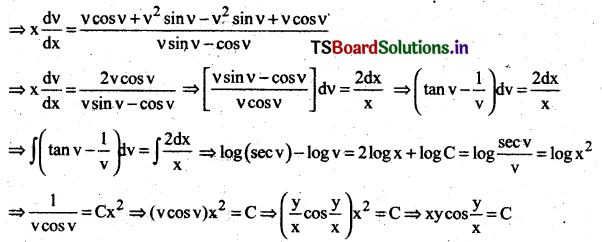
⇒ y = γ2 + \(\frac{24}{\gamma}\)
⇒ yγ = γ3 + 24
⇒ yγ = 7γ – 6 + 24 (∵ γ is a root of (1))
⇒ y(γ – 7) = 18
⇒ γ = \(\frac{18}{y-7}\)
Substituting in (1), we get
\(\left(\frac{18}{y-7}\right)^3-7\left(\frac{8}{y-7}\right)\) + 6 = 0
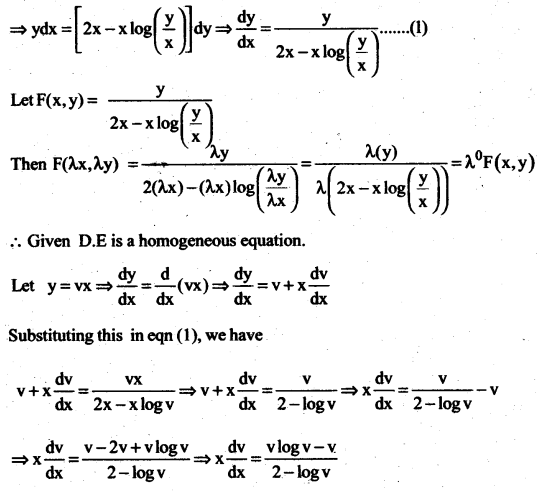
⇒ 183 – 126 (y – 7)2 + 6 (y – 7)3 = 0
⇒ 5832 – 126 (y2 – 14y + 49) + 6 (y3 – 21y2 + 147y – 343) = 0
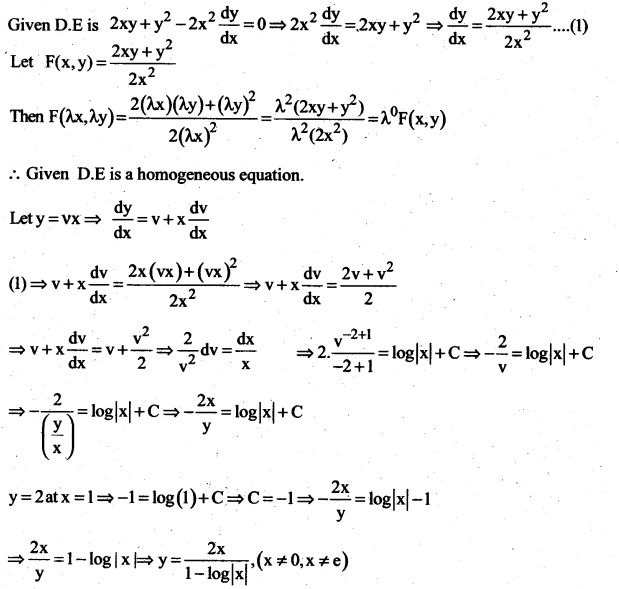
⇒ y3 – 42y3 + 441y – 400 = 0
which represents cubic equation, with roots (α – β)2, (β – γ)2, (γ – α)2.
∴ Required equation is x3 – 42x2 + 441x – 400 = 0.

TS Board Inter 2nd Year Maths 2A Solutions Chapter 4 Theory of Equations Ex 4(a)

Question 3.
If α, β, γ are the roots of the equation x3 – 3ax + b = 0, then prove that Σ (α – β) (α – γ) = 9a.
Solution:
Given α, β, γ are the roots of x3 – 3ax + b = 0.
∴ α + β + γ = 0; αβ + βγ + γα = – 3a; αβγ = – b.
Now Σ (α – β) (α – γ))
= Σ [α2 – αβ – αγ + βγ]
= (α + β + γ) – (αβ + βγ + γα)
= (α + β + γ)2 – 3(αβ + βγ + γα)
= 0 – 3 (- 3a) = 9a
∴ Σ(α – β) (α – γ) = 9a.

TS 6th Class Science Bits 13th Lesson Learning How to Measure

The multiple-choice format of TS 6th Class Science Bits with Answers 13th Lesson Learning How to Measure allows students to practice decision-making and selecting the most appropriate answer.

TS 6th Class Science Bits 13th Lesson Learning How to Measure

Question 1.
1 Kilometer =
A) 1000 mts
B) 1000 cms
C) 100 mts
D) 10 mts
Answer:
A) 1000 mts

TS 6th Class Science Bits 13th Lesson Learning How to Measure

Question 2.
TS 6th Class Science Bits 13th Lesson Learning How to Measure 2Which of the below is used to measure the curved lines
A) Graph paper – Pencil
B) Meter scale
C) Thread-scale
D) Cubes scale
Answer:
C) Thread-scale

Question 3.
The correct one among them
A)  Metre 100=cm
B) Cm100=mm
C)  Metre 100=Km
D) 1 Km= 100m
Answer:
A)  Metre 100=cm

Question 4.
The result of a measurement is expressed in
A) numbers
B) units
C) numbers and units
D) none
Answer:
C) numbers and units

TS 6th Class Science Bits 13th Lesson Learning How to Measure

Question 5.
Standard unit for measuring length. (distance)
A) Meter
B) Litre
C) Millilitre
D) None
Answer:
A) Meter

Question 6.
1 Meter = …………………….. cm
A) 1000
B) 100
C) 10
D) 10,000
Answer:
B) 100

Question 7.
1 ml? ( )
A) 1 m3
B) 1 mm3
C) 1 cm3
D) 1 ft3
Answer:
C) 1 cm3

TS 6th Class Science Bits 13th Lesson Learning How to Measure

Question 8.
………. is a measure of the extent of space occupied by an object.
A) area
B) length
C) breadth
D) volume
Answer:
D) volume

Question 9.
Volume of solids is measured in
A) cubic metres
B) cubic centimetres
C) cubic Litres
D) A and B
Answer:
D) A and B

Question 10.
What have you used to measure the height of your classmate in the class room?
A) scale
B) cubits
C) foot-span
D) hand-span
Answer:
A) scale

Question 11.
Find the correct precaution while using a metre scale
A) No need of coinciding zero point on the scale
B) The scale will be placed anywhere else
C) Our eye must be horizontally above the point of coincidence
D) Ensure that the ends of the scale are not worn out
Answer:
D) Ensure that the ends of the scale are not worn out

Question 12.
The thickness of coin is measured by
A) Scale
B) Tape
C) Chain
D) Foot Span
Answer:
B) Tape

TS 6th Class Science Bits 13th Lesson Learning How to Measure

Question 13.
Suppose you are provided a mat, what is the measure of the extent of plane surface occupied by mat? ( )
A) circle
B) cube
C) area
D) perimeter
Answer:
C) area

Question 14.
Match the following:
1) Metre ( ) a) 10mm
2) Centimetre ( ) b) 1000m
3) Kilometre ( ) c) 100 cm
A) 1 – a, 2 – b, 3 – c
B) 1 – b, 2 – c, 3 – a
C) 1 – c, 2 – a, 3 – b
D) 1 – a, 2 – b, 3 – c
Answer:
C) 1 – c, 2 – a, 3 – b

Question 15.
Read the given sentences.
1) The metre is divided into 100 cm.
2) The length of the curved line is measured by a tape only
3) The area of a leaf is measured by scale
Correct sentences from the above.
A) 1 only
B) 2 only
C) 1 & 2
D) 1 & 3
Answer:
A) 1 only

Question 16.
Match the following:
1) Metre square ( ) a) Measuring solid
2) Feet ( ) b) Unitof area
3) Cube ( ) c) Unit of length
A) 1 – a, 2 – c, 3 – b
B) 1 – b, 2 – a, 3 – c
C) 1 – a, 2 – b, 3 – c
D) 1 – b, 2 – c, 3 – a
Answer:
D) 1 – b, 2 – c, 3 – a

Question 17.
Find out the mis-match from the following:

A)Unit of lengthMetre
B)Measuring volume of solidJar
C)Measuring irregular surfaceScale and thread
D)Measuring thickness of a coinScale and coins

Answer:
C) Measuring irregular surface – Scale and thread

TS 6th Class Science Bits 13th Lesson Learning How to Measure

Question 18.
Read the following symbols:
[ m; cm2; m.m. ; ft2; m.m2]
One of the following does not belong to unit of area.
A) m2
B) m.m
C) ft2
D) m.m2
Answer:
B) m.m

Question 19.
Read the following symbols.
[m; cm; cm2; m.m; ft]
One of the following does not belong to unit of length.
A) cm2
B) cm
C) m
D) ft
Answer:
A) cm2

Question 20.
If we use centimetre to measure the long distances
A) it will take long time
B) it will be finished within time
C) it is finished very easily
D) the measuring results will be accurate
Answer:
A) it will take long time

Question 21.
Find out the odd one
A) cm
B) ft
C) m2
D) mm
Answer:
C) m2

Question 22.
centimetre : cm2 : : feet : ………… ?
A) ft2
B) ft
C) 2ft
D) 3ft
Answer:
A) ft2

Question 23.
1) To decide the quantity we need to know the volume of a vehicle body.
2) The volume of liquids in expressed in litres
A) Both the sentences are wrong
B) Sentence 1 is wrong sentence 2 is true
C) Both the sentences are correct
D) Sentence 1 is correct; Sentence 2 is wrong
Answer:
C) Both the sentences are correct

TS 6th Class Science Bits 13th Lesson Learning How to Measure

Question 24.
1 – The area of a plane surface is measured with the help of a graph paper.
2 – The volume of a solid in measured by jar and graph.
A) Sentence 1 is true, Sentence 2 is wrong
B) Both the sentences are true
C) Both the sentences are false
D) Sentence 1 is false, Sentence 2 is true
Answer:
A) Sentence 1 is true, Sentence 2 is wrong

Question 25.
Find the odd one out.
A) m.m2
B) c.m.
C) ft2
D) m2
Answer:
B) c.m.

Question 26.
Find the wrong sentence.
A) Length of a curved path is measured by thread and scale
B) Centimetre is the unit of a length
C) Area of an irregular surface is measured by graph paper
D) Volume of a solid is measured by graph paper
Answer:
D) Volume of a solid is measured by graph paper

Question 27.
Metre = Unit of length; Square metre = ………?
A) unit of width
B) unit of area
C) unit of depth
D) unit of height
Answer:
B) unit of area

Question 28.
Suppose you measured the height of your classmates. Finally what will be the doubt.
A) What could be the reason for differences in height?
B) Why were the heights measured?
C) Who is the faulty student?
D) Where should we measure the heights?
Answer:
A) What could be the reason for differences in height?

Question 29.
What are the material or apparatus used by you for measuring volume of a stone?
A) Jar
B) Water
C) Thread
D) All the given
Answer:
D) All the given

TS 6th Class Science Bits 13th Lesson Learning How to Measure

Question 30.
To measure the volume of a solid, what precaution you should take while putting a solid into the water in the cylinder?
A) Solid is put into water very gently
B) Solid is simply thrown in the cylinder
C) Water is poured out before putting solid
D) Solid is broken and put into water
Answer:
A) Solid is put into water very gently

Question 31.
Read the steps for completing the activity of measuring the area of a leaf.
1. Mark the boundary with pencil
2. Remove the leaf to find the out line
3. Place a leaf on the graph paper
4. Count the number of squares
Arrange the sequence of steps to do the activity.
A) 1 – 2 – 3 – 4
B) 2 – 4 – 3 – 1
C) 3 – 1 – 2 – 4
D) 1 – 3 – 2 – 4
Answer:
C) 3 – 1 – 2 – 4

Question 32.
If you want to measure the thickness of a coin; what do you need?
A) Some coins and scale
B) One coin and thread
C) Some coins and jar
D) Thread and scale
Answer:
A) Some coins and scale

Question 33.
What precaution (care) should be taken while measuring the length of a curvedline?
A) The thread should be tighten along the curve
B) The thread should coincide with curve
C) The thread is neither tight nor loose
D) B and C sentences
Answer:
B) The thread should be coincided with curve

TS 6th Class Science Bits 13th Lesson Learning How to Measure

Question 34.
Read the lines and answer the question.
We generally use a scale to measure the lengths which are in a straight line like the length of a room, length of a table etc. What instrument we do use to measure the length of the chart ?
A) scale
B) tape
C) survey chain
D) calipers
Answer:
A) scale

Question 35.

Units of lengthUnits of area
centimetre (cm)
millimetre (mm)
square centimetre(cm2)
square millimetre (mm2)

What is considered from the above table to consider boxes in graph paper?
A) centimetre
B) square centimetre
C) square millimetre
D) B and C
Answer:
D) B and C

Read the given paragraph. Answer the questions
our day to day work we use a wooden/plastic scale to measure the lengths. It is marked in centimetres and millimetres. To measure the length of a table, we use metre scale.

Question 36.
What instrument do we use to measure the length of a book?
A) scale
B) metre scale
C) tape
D) jar
Answer:
A) scale

Question 37.
To measure the length of your class room what do you use?
A) small scale
B) graph paper
C) tape
D) thread
Answer:
C) tape

TS 6th Class Science Bits 13th Lesson Learning How to Measure

Read the given table, and Answer the questions.

1 metre100 cm
1 cm10m
1 km1000 m
square metrem2

Question 38.
1000 metres is equal to how many kilometres?
A) 1 km
B) 2 km
C) 3 km
D) 4 km
Answer:
A) 1 km

Question 39.
Centimetre and millimetre markings are seen on
A) Small scale
B) Thread
C) Coins
D) B or C
Answer:
A) Small scale

Question 40.
If you want to see the distance between two villages what units are considered?
A) metres
B) cm
C) km
D) cm2
Answer:

Question 41.
TS-6th-Class-Science-Bits-13th-Lesson-Learning-How-to-Measure-2
Which figure from the above has more area?
A) Fig-A
B) Fig-B
C) both are unequal
D) both are equal
Answer:
C) both are unequal

Question 42.
If you want to measure the area of your palm which one is used by you?
A) Graph paper
B) Scale
C) Thread
D) Jar
Answer:
A) Graph paper

Question 43.
The given picture explains ………….
TS 6th Class Science Bits 13th Lesson Learning How to Measure 3
A) measuring regular plane surface
B) measuring irregular plane surface
C) measuring regular object
D) measuring length of the leaf
Answer:
B) measuring irregular plane surface

Question 44.
The given experiment helps us to …………
TS-6th-Class-Science-Bits-13th-Lesson-Learning-How-to-Measure-5
A) Measure the volume of a solid
B) Measure the volume of a water
C) measure the length of a solid
D) measure the width of a jar
Answer:
A) Measure the volume of a solid

Question 45.
Clothes vendor uses this instrument
A) scale
B) tape
C) meter scale
D) inch scale
Answer:
C) meter scale

Question 46.
…….. is used to find the area of an irregular shape
A) Measuring jar
B) Tape
C) Thread
D) Graph paper
Answer:
D) Graph paper

TS 6th Class Science Bits 13th Lesson Learning How to Measure

Question 47.
What you suppose to use to measure the area of irregular surface?
A) jar
B) graph paper
C) scale
D) chain
Answer:
B) graph paper

Question 48.
Roads and buildings department use this unit of measurement for measuring road distances ( )
A) centimetre
B) kilometre
C) metre
D) square area
Answer:
B) kilometre

TS Inter 1st Year English Study Material Chapter 12 The Five Booms of Life

Telangana TSBIE TS Inter 1st Year English Study Material 12th Lesson The Five Booms of Life Textbook Questions and Answers.

TS Inter 1st Year English Study Material 12th Lesson The Five Booms of Life

Paragraph Answer Questions (Section – A, Q.No. 5, Marks: 4)

Question 1.
The young man feels that the five boons are not gifts, but merely lendings. Justify his opinion with reference to his experiences.
Answer:
Mark Twain is the pen name of Samuel Langhorne Clemens. The world celebrates him as an eminent humourist and a great writer. The present story, “The Five Boons of Life” present his pessimistic view of life. In the story, a fairy offers a young man a boon.

The fairy asks him to choose from “Fame, Love, Riches, Pleasures and Death”. She warns him that only one of those five boons is really precious. The youth chooses ‘pleasures’ first. He very soon realises that each pleasure is followed by pain. Next he chooses ‘Love’ that ends him in grief. ‘Fame’ leads him into ‘envy and pity’. ‘Wealth’ throws him into poverty. So, he rightly feels that they are not boons but mere lendings.

మార్క్ ట్వెఇన్ అనేది సామ్యూల్ ల్యాంగ్ హార్న్ క్లెమెన్స్ కలం పేరు. ప్రపంచం వారిని ప్రఖ్యాత హాస్యప్రియుడిగా మరియు గొప్పగా రచయితగా స్తుతిస్తుంది. ఆయన కథ, ప్రస్తుత పాఠ్యాంశం “జీవితానికి సంబంధించిన ఐదు వరాలు” జీవితం పట్ల వారి యొక్క నిరాశావాద దృక్కోణాన్ని ఆవిష్కరిస్తుంది. కథలో దేవత ఒక యువకుడికి ఒక వరం ఇస్తానని ప్రతిపాదిస్తుంది.

“కీర్తి, ప్రేమ, సంపద, సరదాలు మరియు మరణము” అనే అయిదు వరాల నుండి ఒక్క దానిని ఎంపిక చేసుకోమంటుంది. ఆ అయిదింటిలో ఒక్కటే అసలు విలువైనది అని హెచ్చరిస్తుంది. యువకుడు ముందుగా ‘సరదా’లను ఎంచుకుంటాడు. చాలా త్వరలోనే గుర్తిస్తారు ఆయన, ప్రతి సరదా, బాధను తెస్తుందని. తరువాత ‘ప్రేమ’ను కోరుకుంటాడు. అది అతనిని ‘విచారం’లో ముంచుతుంది. ఇక ‘కీర్తి’ ఆయనను ‘అసూయ, సానుభూతి’లలోకి నడిపిస్తుంది. ‘సంపద’ ఆయనను బీదరికంలోకి విసురుతుంది. అందువలన ఆయన సరిగ్గా అంటారు, ఈ బహుమతులు వరాలు కాదు కేవలం ‘అప్పులు’ అని.

TS Inter 1st Year English Study Material Chapter 12 The Five Booms of Life

Question 2.
Every time the youth chooses a gift, the fairy expresses her dissatisfaction with her gestures. Comment.
Answer:
Mark Twain’s story, “The Five Boons of Life” offers us a valuable lesson. It highlights the need to choose right. The fairy in the story advises the youth to select a boon. She tells him that of the five boons “Fame, Love, Riches, Pleasures and Death” only one is precious.

But, each time the youth makes a wrong choice. The fairy expresses her displeasure. Once, her eyes are filled with tears. Yet again, she sighs deeply. At another time, she asks him to use his wisdom. But the youth repeats the same mistake. The fairy here represents an opportunity. Opportunities knock our doors often. It is our responsibility to use that chance aptly. Here, the youth’s failure presents a lesson to us.

మార్క్ ట్వెఇన్ కథ “జీవితానికి సంబంధించిన ఐదు వరాలు” అనేది మనకు ఒక విలువైన పాఠాన్ని అందిస్తుంది. అది ఎంపిక విషయంలో సరిగ్గా ఉండాలనే అంశాన్ని నొక్కి చెబుతుంది. కథలోని ఒక దేవత, ఒక యువకుడిని ఒక్క వరంను ఎన్నుకోమంటుంది. ఆమె ఆయనతో అంటుంది. తన దగ్గర ఉన్న అయిదు వరాలు “కీర్తి, ప్రేమ, సంపద, వినోదము మరియు మరణము”లలో ఒక్కటే అసలు విలువైంది అని.

కాని ఆ యువకుడు, ప్రతిసారీ తప్పుగానే ఎంచుకుంటాడు. దేవత తన బాధను వ్యక్తీకరిస్తుంది. ఒకసారి కళ్ళనిండా నీరు. మరొకసారి గాఢ నిట్టూర్పు. మరొకసారి, తన జ్ఞానం మొత్తం ఉపయోగించుకోమని సూచిస్తుంది. అయినా ఆ యువకుడు అదే పొరపాటును తిరిగి తిరిగి చేస్తాడు. ఇక్కడ, ఆ దేవత ‘అవకాశానికి’ ప్రతీక. మనకు అవకాశాలు తరచుగా తలుపు తట్టుతాయి. ఆ అవకాశాన్ని సరిగ్గా వినియోగించుకోవడం మన బాధ్యత. ఇక్కడ యువకుడి వైఫల్యం మనకు ఒక పాఠం.

Question 3.
“The years have taught you wisdom . surely it must be so”, remarked the fairy. Is she right ? Explain.
Answer:
The short story “The Five Boons of Life” is a bundle of boons in learning. Mark Twain shows us how difficult it is to select from among options. The story also exposes the deceptive nature of appearances. The fairy presents to the youth her five boons. They are : “Fame, Love, Riches, Pleasures and Death”.

TS Inter 1st Year English Study Material Chapter 12 The Five Booms of Life

She asks him to be careful in his selection. She adds that only one of them is valuable. The youth falters and chooses ‘Pleasures’. He regrets his choice. Then he opts for ‘Love’. He feels sad about his wrong decision. Then, the fairy says that years must have taught him wisdom. Yes, experience is the best teacher. But the youth stays a bad learner. So, he hasn’t picked up any wisdom.

“జీవితానికి సంబంధించిన ఐదు వరాలు” అనే చిన్న కథ, నేర్చుకోవడానికి ఒక వరాల మూట. మార్క్ ట్వెఇన్ అందుబాటులో ఉన్న వాటి నుండి సరియైన దానిని ఎంపిక చేసుకోవటము ఎంత కష్టమో సూచిస్తున్నారు. పైకి కనిపించేది ఎంత మోసపూరితంగా ఉండవచ్చు అనే అంశాన్ని కూడా కథ మనకు ప్రముఖంగా చూపుతుంది. ఒక దేవత, ఒక యువకుడికి తన వద్ద ఉన్న ఐదు వరాలను వివరిస్తుంది.

అవి : కీర్తి, ప్రేమ, సంపద, సరదాలు మరియు మరణం. అందులో ఒక్కటే విలువైనది కనుక ఎంపిక చాలా జాగ్రత్తగా చేసుకోమంటుంది. యువకుడు తప్పటడుగు వేసి సరదాలను కోరుకుంటాడు. తన ఎంపిక తప్పని గుర్తించి బాధపడతాడు. అప్పుడు ‘ప్రేమ’ను ఎంచుకుంటాడు. మళ్ళీ తప్పుడు నిర్ణయంపట్ల విచారిస్తాడు. అప్పుడు అంటుంది దేవత, ఈ సుదీర్ఘకాలం అతనికి జ్ఞానాన్ని అందించి ఉంటుందని. అవును, అనుభవం అద్భుత బోధకులే. కానీ మన యువకుడు చెడ్డ విద్యార్థిగానే మిగిలిపోతాడు. అందుకే అతను ఏ రకమైన జ్ఞానాన్ని అందుకోలేకపోయాడు.

Question 4.
What are the thoughts in the mind of the youth when he chooses wealth? What is the result ?
Answer:
“The Five Boons of Life”, by Mark Twain, presents a philosophical approach to life. It shows us how foolish we are in our priorities at times. The youth stands for man’s follies. He gets a chance, from a fairy to choose from ‘Fame, Love, Riches, Pleasures and Death’. He is led by false appearances.

The fairy’s warning fails to correct him. He chooses ‘Pleasures’ first. He soon realises how painful those pleasures are! He than opts for ‘Love’. He understands how grief follows love. Then, he goes for Fame. Again, it proves to be a wrong choice. Then he thinks ‘Wealth’ will make him happy. He plans to spend, shine, and feed his hungry heart with his mockers envy. He thinks he can buy everything the earth can offer. He is wrong, once again.

TS Inter 1st Year English Study Material Chapter 12 The Five Booms of Life

“జీవితానికి చెందిన ఐదు వరాలు” అనే మార్క్ ట్వెఇన్ కథ, జీవితం పట్ల ఒక తాత్విక దృక్పథాన్ని సమర్పిస్తుంది. ఒక్కొక్కసారి మన ప్రాథమ్యాల పట్ల మనం ఎంత తప్పుడు నిర్ణయం తీసుకొంటామో తెలుపుతుంది ఈ కథ. మనిషి తప్పుడు ఆలోచనలకు ప్రతినిధి ఈ కథలోని యువకుడు. ఒకసారి ఒక దేవత ద్వారా ‘కీర్తి, ప్రేమ, సంపద, సరదాలు మరియు మరణం’ల నుండి ఒక వరం ఎంచుకునే అవకాశాన్ని పొందుతాడు. తప్పుడు రూపాల చేత తప్పుదారిలో నడిపించబడతాడు. దేవత హెచ్చరిక కూడా వారిని సరిచేయలేకపోయింది.

ముందుగా సరదాలను కోరుకుంటారు. త్వరలోనే గుర్తిస్తారు ఆ సరదాల వెనుక ఎంత బాధ దాగిఉందో అని. అప్పుడు ఆయన ప్రేమను కోరుకుంటారు. త్వరలోనే గ్రహిస్తారు ఆయన, ప్రేమ వెంటనే విచారం వస్తుందని. అప్పుడు ఆయన కీర్తి. అదీ తప్పుడు ఎంపికే అని నిరూపించబడుతుంది. అప్పుడు ‘సంపద’ ఆయనకు ఆనందాన్ని ఇవ్వగలదు అని అనిపిస్తుంది. విపరీతంగా ఖర్చుపెట్టి, వెలిగి తన విమర్శకుల అసూయతో తన ఆకలి గుండెకు అన్నం పెట్టవచ్చు అనుకుంటాడు. భూమి మీద లభ్యమయ్యే దేనికైనా కొనగలను అనుకుంటాడు. మరియొకసారి తప్పటడుగు వేశాడు.

The Five Booms of Life Summary in English

TS Inter 1st Year English Study Material Chapter 12 The Five Booms of Life 1
Samuel Langhorne Clemens is popularly known by his pen name Mark Twain. He was an American writer, humonist and lecturer. He is rightly called the father of American literature. His short story ‘The Five Boons of Life’ is a parable with his characteristic twist at the end.

The theme of the story is the deceiving nature of human life. This is enhanced through the motifs of Fame, Love, Riches, Pleasure and Death. These five metaphorical gifts are actualley five human experiences which are more or less universal. The story conveys the pessimistic message of the writer that there is nothing pure in life. Every good thing one experiences is showed its reverse. According to him, Death is the only eternal truth which becomes a gift when one transcends the fear of death.

In the story a fairy comes to a youth and grants him permission to choose one of her five gifts. Pleasure, Love, Fame, Wealth and Death. The fairy also warns him that only one of these gifts is truly valuable. So, he should choose wisely. First, he chooses pleasure. But soon he comes to realize this gift is transcient and often followed by pain. Afterwords, he chooses love.

TS Inter 1st Year English Study Material Chapter 12 The Five Booms of Life

But when the fairy returns he is about to bury a loved one and has corne to realize that love also brings grief with it. His third choice is fame. Yet once gain is disappointed. He only gets to enjoy fame for a brief time, before he becomes the target of enjoy and calumny. On having chosen wealth later to deride his detractors, he becomes a pauper Finally, he seeks for death realizing that he has nothing in life to love for. But the fairy has already given her gift of death to a child leaving the man in a miserable state. Thus the man endsup seeing what he thought are great gifts are actually mere lendings.

The fairy offers many warnings to the man about choosing wisely and has the expressions of disapproval when the man chooses incorrectly. But he focuses on himself and not on the advice from the gift giver. Selfishness, desire to get ahead be the best, have the best are still issues facing man even today.

The Five Booms of Life Summary in Telugu

మార్క్ ట్వెఇన్ అనే కలం పేరుతో విశ్వఖ్యాతి గాంచిన అమెరికన్ రచయిత అసలు పేరు సామ్యూల్ లాంగ్ హోర్న్ క్లెమెన్స్. అత్యంత హాస్యభరిత రచనలు చేసిన ఈయన, అతి గంభీర, విషాదభరిత రచనలు కూడా చేశారు. ప్రస్తుత తాత్విక చింతనతో కూడిన ఈ కథ “జీవితానికి చెందిన ఐదు వరాలు” రచయిత యొక్క నిరాశావాద భావనను ప్రతిబింబిస్తుంది.

అందరూ వరాలుగా భావించే ‘ఖ్యాతి’, ‘ప్రేమ’, ‘సంపద’, ‘వినోదం’ అసలు సంతోషాన్ని ఇవ్వవు. అవి వాస్తవానికి ‘అసూయ’, ‘విచారము’, ‘పేదరికం’, ‘నొప్పి, బాధ’లకు ముందు వచ్చే పైకి కనిపించే బహుమతులు అని వర్ణిస్తారు, నిరూపిస్తారు. జీవితానికి శాశ్వత సంతోషం ‘మరణం’ మాత్రమే అని తేలికగా ఆమోదించలేని కఠోర సత్యాన్ని ఆవిష్కరిస్తారు. దీన్ని ఒక ‘దైవప్రేరేపిత’ సంఘటనలా వివరిస్తారు.

ఒక దేవత జీవన ప్రారంభంలో ఉన్న ఒక యువకుడి ముందు ఒక బుట్టతో ప్రత్యక్షమవుతుంది. తన బుట్టలో ఐదు బహుమతులు ఉన్నాయని, అందులో అసలు విలువైనది ఒక్కటే అని, జాగ్రత్తగా ఆలోచించుకొని ఒక దానిని ఎంపిక చేసుకొమ్మని చెబుతుంది. తన దగ్గర ఉన్నవి ‘ఖ్యాతి’, ‘ప్రేమ’, ‘సంపద’, ‘సరదాలు (వినోదం) ‘మరణం’ అని వివరిస్తుంది.

TS Inter 1st Year English Study Material Chapter 12 The Five Booms of Life

దీంట్లో ఆలోచించడానికి ఏముంది అని ‘వినోదం’ కావాలని కోరుకుంటాడు. అతి త్వరలోనే అను అనుభవిస్తున్న సరదాలు తనను వెక్కిరిస్తున్నట్లు, అవి ఎంత తాత్కాలికాలో గుర్తిస్తాడు. మళ్ళీ కోరుకునే అవకాశం వస్తే తెలివిగా కోరుకుంటాను అనుకుంటాడు. అంతే, ఆ దేవత పునః ప్రత్యక్షమవుతుంది. సరిగ్గా ఆలోచించుకో అని సూచిస్తుంది. సుదీర్ఘంగా ఆలోచించి, ప్రేమను కోరుకున్నాడు. దేవత కంటిలో కన్నీరును గమనించలేదు.

చాలాకాలం తమ ప్రేమించినవారు ఒక్కరొక్కరుగా తనను వీడిపోతూ, ఆఖరుకు తన భార్య శవం ముందు కూర్చొని ‘ప్రేమ’ తనకిచ్చిన ప్రతి గంట సంతోషానికి వేల గంటలు దుఃఖాన్ని అనుభవించానని విచారించసాగాడు. మళ్ళీ దేవత ప్రత్యక్షం. మిగిలిన మూడింట్లో జాగ్రత్తగా ఎంపిక చేసుకొమ్మని హెచ్చరిక. అనుభవంతో వచ్చిన విచక్షణతో చాలాసేపు తర్కించుకొని ‘ఖ్యాతి’ని ఇవ్వమని కోరుకుంటాడు. నిట్టూర్పు విడుస్తూ వీడ్కోలు తీసుకుంది, దేవత. సంవత్సరాలు గడిచాయి. దేవత తిరిగి ప్రత్యక్షమయింది.

ఆయన మనసు గ్రహించింది పేరు ప్రఖ్యాతులు తమవెంట అసూయాద్వేషాలు తెచ్చాయి. అంతిమంగా వచ్చిన సానుభూతి ఆ పేరు ప్రఖ్యాతులకు అంతిమ సంస్కారాల నిర్వాహకురాలు. మిగిలిన రెండింటిలో అసలు విలువైంది బాగా పరిశీలించి ఎంపిక చేసుకొమ్మంటుంది, దేవత. ‘సంపద’ అంటాడు. అసలు విలువైంది కోరుకోగలిగాను అనుకుంటాడు. కానీ సంపద అనే నాణేనికి మరొక వైపు ఉంది పేదరికం అని గుర్తించే లోపు అసలు విలువైన ‘మరణం’ ఒక చిన్నారికి కానుకగా ఇచ్చింది దేవత. ఇక అతనికి విచారం తప్ప విముక్తి లభించదు.

The Five Booms of Life Summary in Hindi

मार्क ट्वेइन उपनाम से विख्यात् अमरीकी लेखक का असली नाम साम्यूल लांगहोर्न कलेमेन्स है | उन्हेंने अत्यंत हास्यात्मक रचनाओं के साथ-साथ अति गंभीर विषादात्मक रचनाएँ भी कीं । प्रस्तुत पाठ्यांश, ‘जीवन के लिए पाँच वरदान’ लाखिक चिंतन से संबंधित है । इसके लेखक की निराशवाद- भावना प्रतिबिंबित है । ख्याति, प्रेम, संपदा, विरोद और मरण – ये पाँच वरदान समझते हैं लोग । लेकिन असन्न में वे संतोष नहीं देते। वे वास्तव में ईर्ष्या, दूख, निर्धनता, पीडा और वेदना को पहले आनेवाले पुरस्कार हैं । जीवन का शाखत संतोष ‘मरण’ मात्र है । यह कठोर सत्य है । यह एक दैव प्रेरक घटना है ।

TS Inter 1st Year English Study Material Chapter 12 The Five Booms of Life

एक देवता जीवनारंभ में होनेवाले एक युवक के आगे टोकरी से साक्षात्कार होता है। वह कहता है कि इसटोकरी में पाँच वर हैं, इनमें केवल एक ही असकी मूख्यवान है, सावधानी से सोचकर एक चुन लो । इस टौकरी में ख्याति, प्रेम, संपदा, विरोद और मरण नामक वर हैं । वह यूवक ‘विनोद’ चुनता है। जल्दी ही वह पहचानत है कि अनुभव करनेवाली सभी सुख-सुविधाएँ उसे उपहास कर रहे हैं । वह देवता पुनः प्रकट होता है ।

वह युवक बहुत सोच-विचार कर प्रेम को चुनता है । देवता की आंख में आँसू वह नहीं पहचानता है । वह दुःखित होने लगा कि सुदीर्घ समय तक अपने को प्रेमकरने वाले एक – एक करके छोड़कर नारहे हैं। वह दुखता है कि आखिर अपनी पत्नी के शव के सामने ‘बैठकर ‘प्रेम’ से प्रति घुटे में पाए संतोष के लिए हजारों घंटों के दुःख का मूल्य चुकाना पड़ता है। फिर देवता प्रकट होकर बाकी तीनों में से चुनने को कहता है । तब वह ‘ख्याति’ को चुनाव है । सालों के बाद वह पहचानता है कि वह ‘ख्याति’ ईर्ष्या एक को चुनने को कहने पर वह संपदा को चुनता है। होती है । वह इस सच को जानने के पहले ही देवता असली मूल्यवान ‘मरण’ एक छोटी को भेंट के रूप में दे देता है । आखिर उस युवक को दुःख-दर्द के बिना विमुक्ति नहीं मिलती ।

Meanings and Explanations

fairy (n) / feari / (ఫెఅరి ) (disyllabic ) = a creature with magic powers: మంత్రశక్తులు కల ఒక, परी

wary (adj) /weəri/ (వెఅరి) (disyllabic) = careful; cautious : చాలా జాగ్రత్తగా, चौकस

consider (v) /kǝnsıdə(r)/ (కన్ సీడ(ర్)) (trisyllabic) = think about carefully : జాగ్రత్తగా ఆలోచించు, विचार करना

sought (v-past tense of ‘seek’) /so:t/ (సోట్) (monosyllabic) = looked for; wanted; కోరుకొనెను, इच्छा

delight (n) /dılart/ (డిలైట్) (disyllabic) = joy; a feeling of great pleasure: అమిత ఆనందము

vain (adj) /vein/ (వెఇన్) (monosyllabic) useless : నిరుపయోగమైన , व्यर्थ

mock (v) /mok/ (మొక్) (monosyllabic) = laugh at : హేళనచేయు, हंसी उड़ाना, अपहास करना

TS Inter 1st Year English Study Material Chapter 12 The Five Booms of Life

precious (adj) /prefas/ (ప్రెషన్ ) (disyllabic) = rare and worth a lot; valuable : అత్యంత విలువైన, అరుదైన, उपयोगी, मूल्यवान

coffin (n) /kofm/ (కోఫిన్) (disyllabic) = a box in which a dead body is placed: శవపేటిక, ताबूत

commune (v) /kamju:n/ (కొమ్యూన్) (disyllabic) = converse; talk : సంభాషించు; మాట్లాడు, सम्भाषण करना

desolation (n) /desəleisrən/ (డెసలెఇషన్) (polysyllabic-4 syllables) = destruction of inhabitants : మరణము; అంతము, कथम

treacherous (adj) /tretfǝrǝs/ (ట్రెచరస్) (trisyllabic) = deceitful: మోసపోటిత, विश्वासघाती

curse (v) /k3:s/ (క(ర్)స్) (monosyllabic) = to place a bane: శపించు, अभिशाप देना

reflect (v) /riflekt/ (రిప్లెక్ ట్) (disyllabic) = think carefully and deeply, జాగ్రత్తగా, లోతుగా ఆలోచించు , चिंतन करना

sigh (v) /sar/ (monosyllabic) breathe in an audible way to express disappointment : నిట్టూర్పు విడుచు, आह

solitary (adj) /splətri/ (సోలాట్రి) (trisyllabic) = alone; single :ఒంటరిగా, ఏకాంతంగా, अकेला

fading (v+ing = adj) /feidin/(ఫెఇడింగ్) (disyllabic) = disappearing slowly; నెమ్మదిగా అంతరించి పోతున్న; మసకబారిపోతున్న; పాలిపోతున్న

envy (n) /envi/ (ఎన్వి) (disyllabic) = the feeling of wanting to be in the same situation; jealousy : అసూయ; ఈర్ష్య, ईर्ष्याल

detraction (n) /dıtræktsən/ (డిట్ర్యాక్షన్ ) (trisyllabic) = taking away from: పక్కదారి పట్టించడం; మరోవైపు దృష్టి మరల్చడం

TS Inter 1st Year English Study Material Chapter 12 The Five Booms of Life

calumny (n) /kæləmni/ (క్యాలమ్మి) (trisyllabic) = lies that harm one’s reputation: ఎదుటి వారి ఖ్యాతిని చెడగొట్టే అబద్దములు, निन्दा करना

persecution (n) /p:(r)sıkju:sən/ (ప(ర్)సిక్యూషన్) (polysyllabic-4 syllables) someone physically or morally : భౌతికంగా, లేదా నైతికంగా అంతం చేయటము

derision (n) /dırızən/ (డిరిజన్) (trisyllabic) = laughter as a token of insult : అవమానకర; హేళనభరిత నవ్వు

funeral (n) /fju:nərəl/ (ఫ్యునరల్) (trisyllabic) = a ceremony to bury or cremate a dead person : అంత్యక్రియలు, अंत्येष्टि, शव यात्रा

renown (n) /rınaʊn/ (రినౌన్ ) (disyllabic) = fame and popularity : పేరు ప్రఖ్యాతలు, यश

contempt (n) /kǝntempt/ (కన్ టెమ్ ట్) (disyllabic) = hatred, ద్వేషము, अपमान

compassion (n) /kəmpæsən/ (కమ్ ఫ్యాషన్) (trisyllabic) = kindness and pity for the suffering: దయ; సానుభూతి, सहानुभूति

decay (n) /dıker/ (డికెఇ) (disyllabic) = destruction : నాశనం; అంతరించడము, हास होना

despair (v) /dispeɔ(r)/ (డిస్పెఅ(ర్)) (disyllabic) = give up; to be hopeless : చేతులెత్తివేయుట ప్రయత్నం ఆపుట; నిరాశలో మునిగిపోవుట

squander (v) /skwondə(r)/ (స్క్వన్ డ(ర్) (disyllabic) = spend carelessly: విచ్చలవిడిగా ఖర్చుపెట్టు, अपव्याय करना

dazzle (v) /dæzl/ (డ్యాజ్ ల్) (disyllabic) = shine brightly in an impressive way: ఆకట్టుకునేలా, यकार्याध करना

despiser (n) /dıspaızə(r)/ (డిస్పెజ(ర్) ) (trisyllabic) = one who criticizes and hates : విమర్శించి, ద్వేషించే వ్యక్తి

enchantment (n) /intsa:ntmǝnt/ (ఇన్ చాన్ ట్ మన్ ట్) (trisyllabic) = attraction; charm: ఆకర్షణ, అందము, आकर्षण

contentment (n) /kǝntentmǝnt/ (కన్ టెమ్ మన్ ట్) (trisyllabic) = satisfaction: సంతృప్తి , तृप्ति

deference (n) /defǝrǝns/ (డెఫరన్ స్ ) (trisyllabic) = respecting others’ views : ఇతరుల అభిప్రాయాలను గౌరవించటం

pinchbeck (adj) /pintsbek/ (పించ్ బెక్) (disyllabic) = spurious; artificial: నిజంకాని; కృత్రిమ

TS Inter 1st Year English Study Material Chapter 12 The Five Booms of Life

trivial (adj) /trivial/ (ట్రివి అల్ ) (trisyllabic) = ordinary; ignorable : అతి సాధారణమైన ; పట్టించుకోనవసరం లేని

furnish (v) /f3:(r)nıs/ (ఫ(ర్)నిష్) (disyllabic) = supply; give: అందించు

garret (n) /gærǝt/ (గ్యారట్) (disyllabic) = a dark, dirty and narrow room : ఇరుకుగా, మురికిగా, చీకటిగా ఉన్న గది

gaunt (adj) /gɔ:nt/ (గోన్ ట్) (monosyllabic) = very weak; old : చాలా నీరసంగా ఉన్న; ముసలి

wan (adj) /won/ (వోన్) (monosyllabic) = very tired; pale : బాగా అలిసిపోయిన; పాలిపోయిన

hollow-eyed (adj) /with eyes sunk : బాగా పీక్కుపోయిన కన్నులతో ఉన్న

gnaw (v) /nɔ:/ (వో) (monosyllabic) = bite : కొరుకుట

crust (n) /krast/ (క్రస్ట్ ) (monosyllabic) = harder part of bread: బాగా గట్టిగా ఉన్న బ్రెడ్ భాగము

mumble (v) /mɅmbǝl/ (మమ్ బల్) (disyllabic) = chew gently with lips closed: పెదవులు మూసుకొని నెమ్మదిగా నములు

gilded (adj) /gıldıd/ (గిల్డడ్) (disyllabic) = false : నిజముకాని; పై పూత పూసిన

wanton (adj) /wntən/ (వోన్ టన్) (disyllabic) = unruly : అదుపు చేయ వీలుకాని